Smart Cleaning Solutions: Integrating Technology for Singapore Homes & Offices
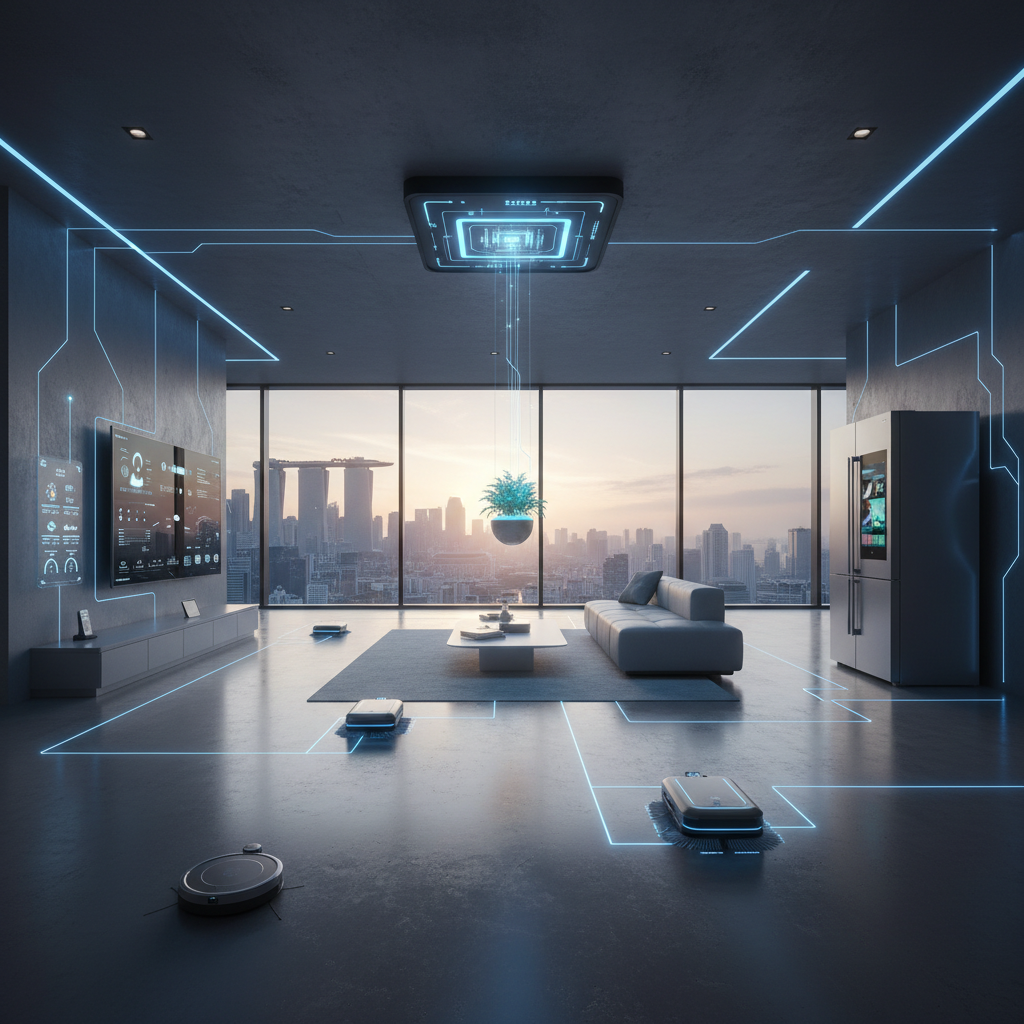
Smart cleaning solutions in Singapore integrate advanced technologies to provide efficient, effective, and convenient cleaning services for homes and offices. These innovations move beyond traditional methods, leveraging automation, data, and eco-friendly practices to enhance cleanliness, hygiene, and overall living or working environments across the city-state.
Quick Answer:
- Smart cleaning solutions use technology like robots, IoT, and digital platforms.
- They offer benefits such as enhanced efficiency, convenience, and hygiene.
- Key technologies include automated devices, IoT sensors, and eco-friendly methods.
- These solutions contribute to a more sustainable and productive cleaning experience.
- Companies like Cleatra are adopting these technologies for modern cleaning services.
Table of Contents
- What are Smart Cleaning Solutions?
- Automated Cleaning Devices: Robot Vacuums and Scrubbers
- IoT Sensors for Air Quality and Surface Monitoring
- Eco-Friendly Technologies: Water-Saving and Chemical-Free Cleaning
- Digital Scheduling and Management Platforms
- Integrating Smart Tech for Enhanced Efficiency
- Benefits for Homeowners: Convenience and Peace of Mind
- Benefits for Businesses: Productivity and Hygiene Standards
- The Future of Cleaning: Trends and Innovations
- Frequently Asked Questions
- Conclusion
What are Smart Cleaning Solutions?
Smart cleaning solutions refer to the application of advanced technology to optimize and enhance cleaning processes in residential and commercial settings. This encompasses a range of innovations, from robotic devices and sensor-based systems to sustainable practices and digital management tools. These solutions aim to deliver superior cleanliness, reduce manual effort, improve efficiency, and contribute to healthier indoor environments.
The evolution of cleaning has mirrored technological advancements. Historically, cleaning relied solely on manual labor and basic tools. With the advent of industrialization, mechanized equipment like vacuum cleaners and floor buffers became common. Today, the digital age has ushered in a new era where artificial intelligence (AI), the Internet of Things (IoT), and advanced robotics are transforming how spaces are cleaned and maintained. According to a 2023 report by Allied Market Research, the global smart cleaning market is projected to reach USD 57.3 billion by 2032, indicating a significant shift towards intelligent cleaning approaches. This growth is driven by increasing demand for automated convenience and higher hygiene standards, particularly in dense urban environments like Singapore.
Automated Cleaning Devices: Robot Vacuums and Scrubbers
Automated cleaning devices are autonomous machines designed to perform cleaning tasks with minimal human intervention. They represent a significant component of modern smart cleaning solutions, offering convenience and consistent performance.
Robot vacuums are perhaps the most common example, navigating spaces independently to collect dust and debris. They utilize onboard sensors, such as LiDAR (Light Detection and Ranging) or computer vision, to map rooms, detect obstacles, and plan efficient cleaning routes. Advanced models can self-empty their dustbins into larger receptacles, recharge themselves, and even integrate with smart home systems for voice-activated control. For instance, many robot vacuums can detect carpeted areas and automatically increase suction power, while seamlessly transitioning to hard floors.
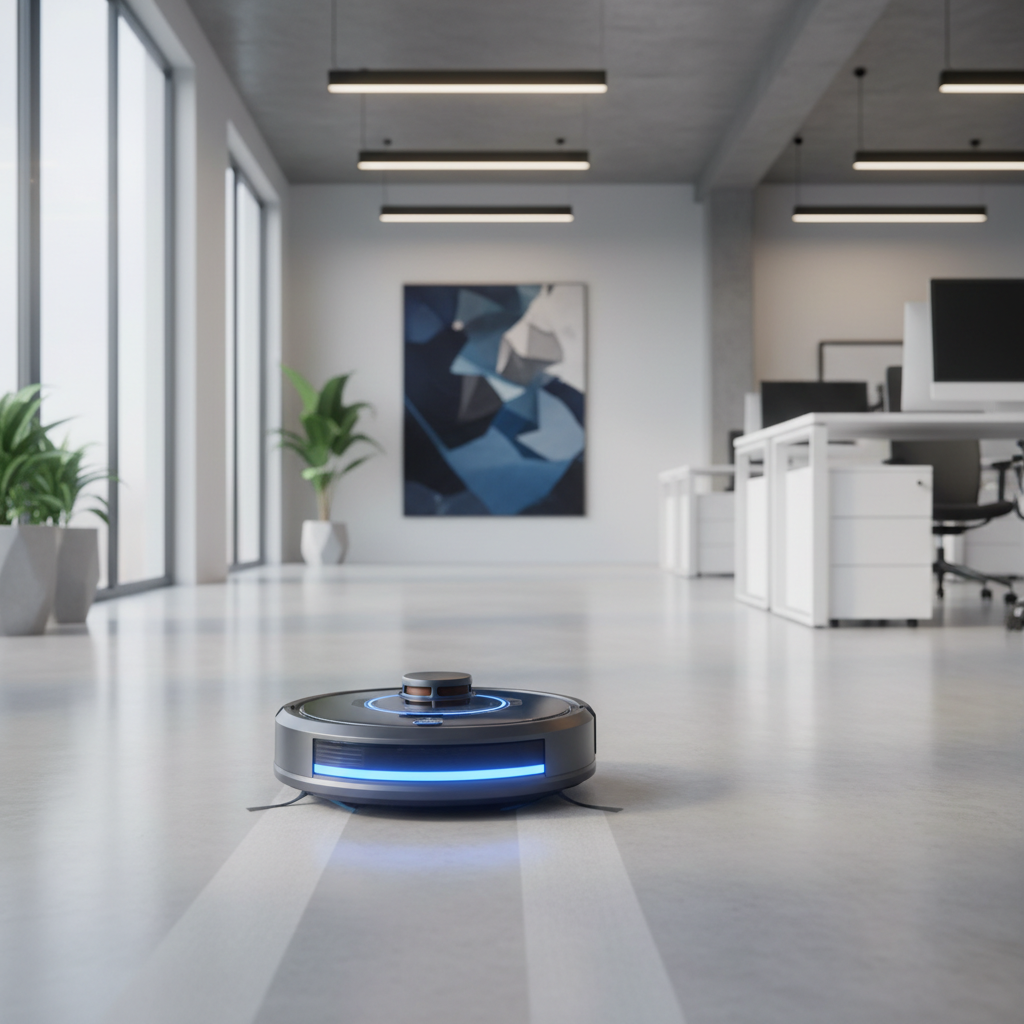
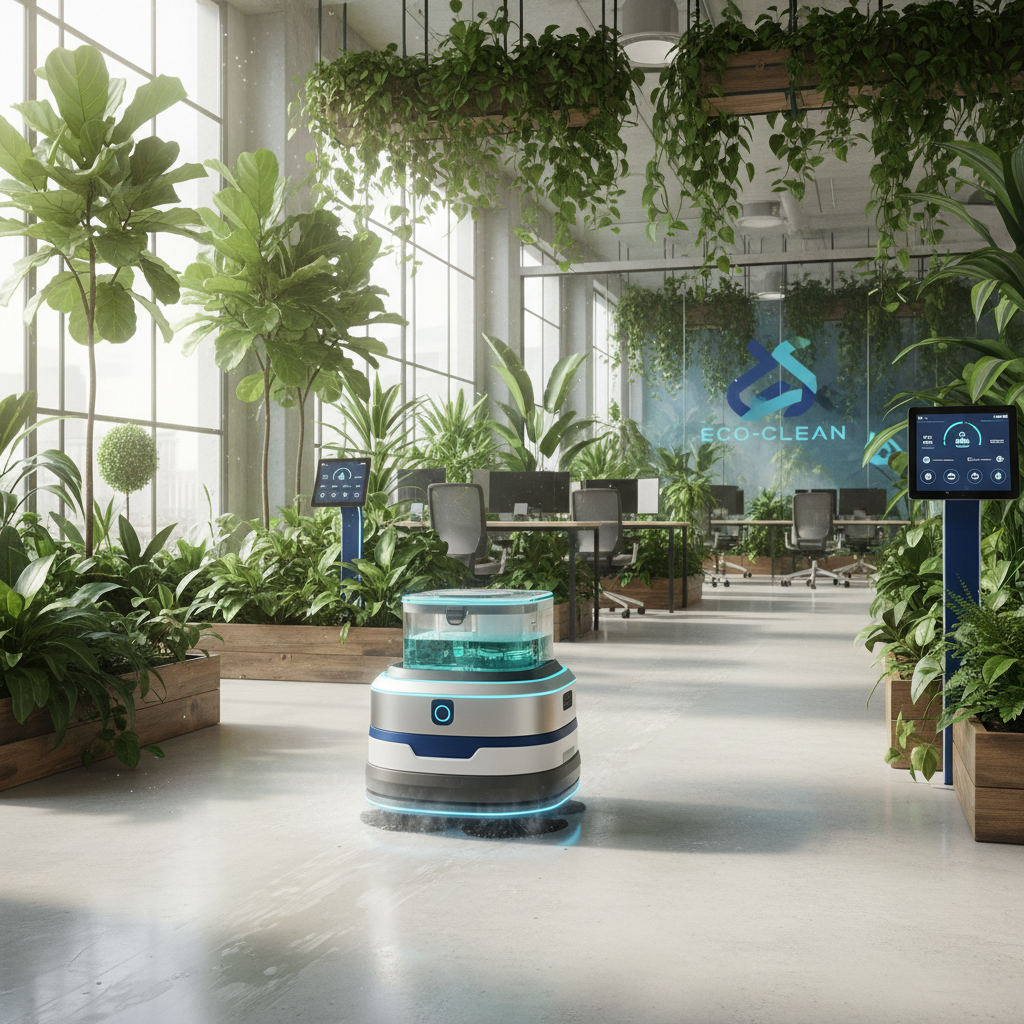
Similarly, robot scrubbers are designed for larger commercial spaces, such as offices, shopping malls, and warehouses. These industrial-grade machines can autonomously scrub, sweep, and dry vast floor areas, significantly reducing the labor required for tasks typically performed by cleaning crews. They are equipped with navigation systems that allow them to avoid people and furniture, ensuring safety and comprehensive coverage. A study by the Cleaning Management Institute found that deploying robotic scrubbers can reduce cleaning times by up to 70% in large facilities, freeing up human staff for more detailed or specialized tasks. The integration of such devices enhances both the consistency of cleaning and operational efficiency, making them invaluable in Singapore’s fast-paced commercial sectors.
IoT Sensors for Air Quality and Surface Monitoring
IoT sensors play a crucial role in smart cleaning by providing real-time data about environmental conditions, enabling proactive and targeted cleaning efforts. These devices monitor various parameters to inform cleaning decisions.
Air quality sensors detect pollutants such as Particulate Matter (PM2.5), Volatile Organic Compounds (VOCs), carbon dioxide, and humidity levels. In an office environment, for example, a sudden spike in VOCs might indicate a need for increased ventilation or the identification of an indoor pollutant source. In homes, these sensors can trigger air purifiers automatically when airborne allergens or pollutants are detected. This goes beyond just reactive cleaning, allowing for preventive measures that enhance occupant health.
Surface monitoring sensors might track factors like bacterial presence, moisture levels, or the frequency of use of high-touch surfaces, such as doorknobs or elevator buttons. This data can inform cleaning schedules, ensuring that areas with higher potential for pathogen accumulation receive more frequent or thorough cleaning. For instance, in a medical clinic, sensors on frequently touched surfaces could alert cleaning staff when specific disinfection is required, rather than relying on a fixed schedule that might not account for usage spikes. By integrating these sensors, cleaning services can shift from a time-based approach to a condition-based approach, optimizing resource allocation and improving hygiene outcomes. This data-driven strategy ensures that cleaning efforts are precisely matched to actual needs, leading to more effective and efficient sanitation in Singaporean spaces.
Key Insight: IoT sensor integration transforms cleaning from a routine task into a data-driven, demand-responsive service, optimizing cleanliness and promoting healthier indoor environments by addressing specific contaminants in real-time rather than on a fixed schedule.
Eco-Friendly Technologies: Water-Saving and Chemical-Free Cleaning
Eco-friendly cleaning technologies focus on minimizing environmental impact by reducing resource consumption and eliminating harmful chemicals, aligning with Singapore’s commitment to sustainability. These innovations are becoming increasingly important for both residential and commercial clients.
Water-saving technologies include advanced microfiber cleaning systems that require significantly less water than traditional mop-and-bucket methods. Some robotic floor scrubbers utilize recycled water filtration systems, drastically cutting down on water consumption. For example, modern floor scrubbers can clean large areas using just a fraction of the water typically required, with some models boasting water-saving capabilities of up to 70-80% compared to conventional methods. This is particularly relevant in Singapore, where water conservation is a national priority.
Chemical-free cleaning methods employ alternative approaches to disinfection and sanitization without relying on harsh chemicals. One prominent technology is electrolyzed water (E-water), which uses electricity to convert tap water and a small amount of salt into powerful cleaning and disinfecting solutions. These solutions are effective against a wide range of bacteria and viruses but decompose back into harmless saltwater, leaving no chemical residue. Another method gaining traction is UV-C light sanitization, particularly for high-touch surfaces and air purification. UV-C devices can neutralize pathogens on surfaces and in the air, offering a chemical-free disinfection solution suitable for sensitive environments like healthcare facilities or daycares. These technologies protect both the environment and the occupants of cleaned spaces from chemical exposure, representing a healthier and more sustainable approach to cleanliness.
| Feature | Traditional Cleaning | Eco-Friendly Cleaning Tech |
|---|---|---|
| Water Usage | High, often fresh water per task | Low, recycled water, microfiber |
| Chemical Use | Regular, broad-spectrum chemicals | Minimal to None (E-water, UV-C) |
| Residue | Can leave chemical residues | No chemical residue |
| Environmental Impact | Higher, through waste and pollution | Lower, sustainable practices |
| Safety for Occupants | Potential exposure to irritants | Safer, fewer allergens/toxins |
| Efficiency | Manual labor-intensive | Often automated, precise |
Digital Scheduling and Management Platforms
Digital scheduling and management platforms are software solutions that streamline the administrative and operational aspects of cleaning services, enhancing efficiency and communication. These platforms move away from archaic paper-based systems towards integrated, real-time management.
These platforms allow cleaning service providers to efficiently schedule staff, assign tasks, and monitor progress. Features often include client portals for booking and payment, real-time tracking of cleaning crews via GPS, and automated invoicing. For clients, this means easier booking, transparent pricing, and the ability to provide feedback directly through the platform. For cleaning companies, it translates to optimized routes, reduced administrative overhead, and improved resource allocation.
For example, a cleaning company in Singapore can use a platform to instantly assign an urgent deep cleaning request to the nearest available team, complete with task lists and specific instructions for the location. Clients can receive notifications when the team is en route, when cleaning starts, and when it’s completed, fostering a sense of reliability and transparency. This digital infrastructure supports modern cleaning services by providing a robust framework for managing complex operations, ensuring reliability, and improving the overall customer experience through enhanced communication and accountability.
Key Insight: Digital platforms are not merely tools for convenience; they are fundamental for operational scalability, real-time coordination, and transparent client engagement, transforming cleaning service delivery into a highly organized and data-driven process.
Integrating Smart Tech for Enhanced Efficiency
Integrating smart tech in cleaning services means combining various technologies to create a cohesive, highly efficient, and responsive cleaning ecosystem. This synergy leads to greater productivity and superior results compared to using individual technologies in isolation.
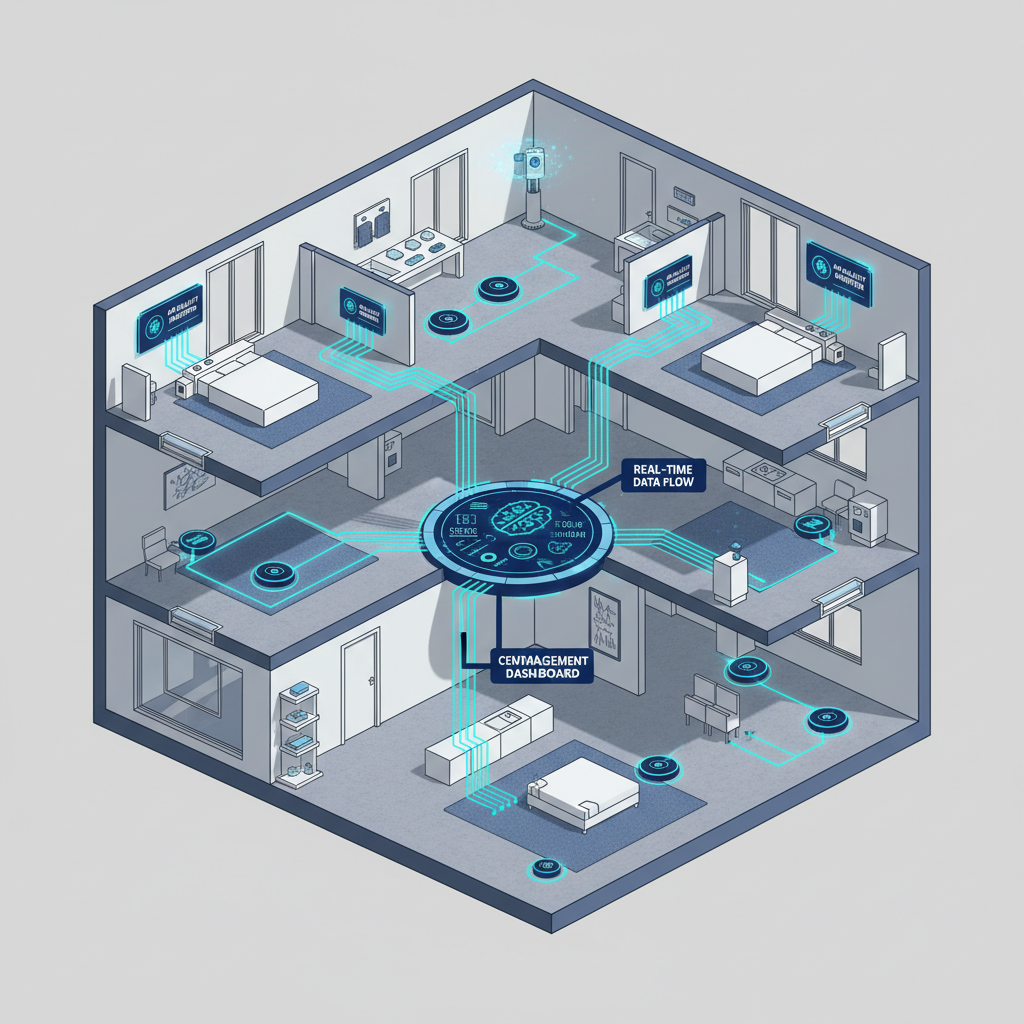
Consider a multi-story office building in Singapore. Automated robot scrubbers handle daily floor cleaning, programmed to operate during off-peak hours based on the building’s digital schedule. Simultaneously, IoT sensors in restrooms monitor visitor traffic and air quality, triggering alerts to cleaning staff when specific thresholds for occupancy or odor are met, prompting targeted cleaning or supply replenishment. Air quality sensors in common areas continually monitor PM2.5 levels, and if they rise, the building’s integrated air purification systems are activated, and a notification might be sent to cleaning management to inspect HVAC filters.
This level of integration optimizes labor, ensuring that human cleaners focus on tasks that require judgment, detail, or human interaction, such as sanitizing high-touch surfaces, detailed dusting, or addressing specific client requests. It also reduces waste by implementing condition-based cleaning rather than fixed schedules, where a room might be cleaned regardless of actual use. The outcome is not only a cleaner, healthier environment but also significant cost savings from optimized resource use and reduced energy consumption for lighting and HVAC in unoccupied areas. This harmonious operation of robots, sensors, and human expertise represents the pinnacle of smart cleaning solutions Singapore offers, creating a truly intelligent approach to maintaining pristine spaces.
Benefits for Homeowners: Convenience and Peace of Mind
For homeowners in Singapore, adopting smart cleaning solutions translates directly into enhanced convenience and a greater sense of peace of mind. These benefits stem from the automation, efficiency, and advanced hygiene offered by modern cleaning technologies.
The primary benefit is unprecedented convenience. Robot vacuums and mops can operate while homeowners are away at work or running errands, returning to a consistently clean home without lifting a finger. Scheduling these devices through smartphone apps adds another layer of ease, allowing for on-demand or recurring cleaning sessions. This frees up valuable time for busy individuals and families, letting them focus on personal pursuits rather than household chores. Studies show that the average household spends roughly 6 hours per week on cleaning, a significant portion of which can be reclaimed through automation.
Beyond convenience, smart cleaning provides peace of mind through improved hygiene and consistent cleanliness. IoT air quality sensors can alert residents to potential indoor pollutants, allowing them to take corrective action, while UV-C sanitizers can offer chemical-free disinfection of high-touch areas, critical for families with children or allergy sufferers. Knowing that advanced technology is constantly working to maintain a pristine and healthy living environment removes the worry of unseen germs and allergens. This makes smart cleaning an attractive option for busy Singaporean households seeking both efficiency and a healthier living space.
Benefits for Businesses: Productivity and Hygiene Standards
For businesses in Singapore, investing in smart cleaning solutions delivers substantial advantages in terms of enhanced productivity and significantly elevated hygiene standards. These are critical factors for maintaining a professional image and ensuring employee well-being.
One of the most significant benefits is the increase in productivity. Automated cleaning devices like robotic floor scrubbers can cover large office spaces or commercial floors much faster and more consistently than human laborers. This allows human cleaning staff to be reallocated to more specialized tasks, such as detailed disinfection of high-touch surfaces, deep cleaning specific areas, or responding to immediate spills. The consistent operation of robots ensures a baseline level of cleanliness that never wavers, regardless of staff availability or fatigue. For example, a large office in the CBD could deploy robotic cleaners nightly, ensuring employees arrive to a freshly maintained workspace every morning, positively impacting morale and focus.
Furthermore, smart cleaning technologies elevate hygiene standards to new levels. IoT sensors can monitor real-time usage of restrooms or common areas, triggering cleaning alerts only when necessary, ensuring that high-traffic zones receive prompt attention. Chemical-free disinfection methods like electrolyzed water and UV-C light provide superior germ elimination without introducing harsh chemicals, which is crucial for employee health and safety. In light of global health concerns, businesses are increasingly prioritizing robust hygiene protocols. Smart cleaning solutions offer a verifiable, data-driven approach to maintaining superior cleanliness, reducing illness transmission, and fostering a healthier work environment. This not only protects employees but also projects a responsible and modern image to clients and visitors, which is particularly valuable in Singapore’s competitive business landscape.
The Future of Cleaning: Trends and Innovations
The future of cleaning is poised for continuous evolution, driven by advancements in artificial intelligence, robotics, and sustainable practices. Several key trends and innovations are emerging that will further shape smart cleaning solutions in Singapore and globally.
Advanced Robotics and AI Integration: Future cleaning robots will be far more intelligent and versatile. They will feature enhanced AI for better object recognition, more sophisticated navigation in complex environments, and the ability to learn and adapt to changing layouts or unexpected obstacles. Some developers are working on humanoid cleaning robots capable of performing a wider range of tasks, from dusting high shelves to deep cleaning intricate fixtures. This will significantly reduce the need for manual labor in even the most challenging cleaning scenarios.
Predictive Maintenance and Self-Healing Materials: Integrating cleaning systems with wider Building Management Systems (BMS) will enable predictive cleaning based on anticipated foot traffic or scheduled events. Furthermore, materials themselves might become “smarter.” Research in self-cleaning surfaces, using photocatalytic coatings or hydrophobic materials, aims to repel dirt and germs actively, reducing the frequency and intensity of manual cleaning. For example, coatings that react to light to break down organic matter could be incorporated into building materials.
Hyper-Personalized and On-Demand Cleaning: Future cleaning services will likely offer hyper-personalized options. Leveraging AI, services could analyze user preferences, historical data, and real-time sensor feedback to offer highly customized cleaning schedules and methods. Imagine a system that automatically adjusts cleaning intensity based on seasonal allergy patterns or after a pet sheds heavily. The move towards truly on-demand cleaning will also be refined, allowing for immediate cleaning responses often facilitated by autonomous dispatch systems. These innovations promise to make cleaning even more seamless, efficient, and tailored to individual or organizational needs, further cementing the role of technology in maintaining highly hygienic and functional spaces.
Frequently Asked Questions
What makes a cleaning solution “smart”?
A cleaning solution is considered “smart” when it integrates technology like automation, IoT sensors, AI, or digital platforms to enhance efficiency, effectiveness, and convenience beyond traditional manual methods. It focuses on data-driven decisions and sustainable practices.
Are smart cleaning devices like robot vacuums suitable for all homes?
While robot vacuums are highly convenient, their suitability can depend on factors like floor plan complexity, presence of stairs, and specific cleaning needs (e.g., pet hair, very high pile carpets). Many advanced models are designed to handle diverse environments, but some homes might still require targeted manual cleaning.
How do smart cleaning solutions contribute to sustainability?
Smart cleaning solutions contribute to sustainability by implementing water-saving technologies, promoting chemical-free disinfection methods like electrolyzed water or UV-C light, and optimizing cleaning schedules to reduce energy consumption and waste.
Can smart cleaning technology really replace human cleaners?
Smart cleaning technology complements human cleaners rather than replacing them entirely. Automated devices handle repetitive and strenuous tasks, freeing up human staff to focus on intricate detailing, specialized cleaning, customer interaction, and tasks requiring human judgment and flexibility.
Is smart cleaning more expensive than traditional cleaning services?
While the initial investment in smart cleaning technology can be higher, the long-term operational costs often decrease due to increased efficiency, reduced labor hours, optimized resource use (water, chemicals), and fewer call-backs. This can lead to overall cost savings for businesses and a more valuable service for homeowners.
What are the main types of IoT sensors used in smart cleaning?
The main types of IoT sensors in smart cleaning include air quality sensors (detecting PM2.5, VOCs, CO2), surface monitoring sensors (tracking bacterial presence, high-touch frequency), and occupancy sensors (monitoring room usage to trigger cleaning).
How does Cleatra use technology to provide better cleaning services in Singapore?
Cleatra leverages smart cleaning solutions by integrating digital scheduling platforms for efficient management and client communication, utilizing professional-grade equipment that often incorporates advanced features, and employing trained staff who understand how to work alongside and manage these modern tools to deliver superior results.
Conclusion
Smart cleaning solutions represent a profound transformation in how homes and offices in Singapore are maintained, moving past conventional methods to embrace efficiency, precision, and sustainability. By integrating advanced technologies like automated robotic devices, real-time IoT sensors, eco-friendly cleaning methods, and streamlined digital management platforms, these solutions offer undeniable benefits. For homeowners, this means unparalleled convenience and the peace of mind that comes from consistently clean and healthy living spaces. Businesses, in turn, gain significant advantages in productivity, optimized resource allocation, and elevated hygiene standards essential for a thriving work environment. As technology continues to evolve, the future of cleaning promises even more intelligent, personalized, and sustainable approaches, making smart cleaning an indispensable part of modern living and working in Singapore.