The Benefits of Using Eco-Friendly Cleaning Products for Your Home
Using eco-friendly cleaning products for your home offers significant advantages, promoting both a healthier living environment and a more sustainable planet. These products are formulated to reduce harm to human health and the environment, moving away from harsh chemicals often found in traditional cleaners. Making this switch can improve indoor air quality, minimize exposure to toxins, and contribute positively to ecological preservation.
Quick Answer:
- Eco-friendly cleaning products utilize natural, biodegradable ingredients and avoid harsh chemicals.
- They lead to significant health benefits such as reduced toxin exposure and improved indoor air quality.
- Environmentally, these products lessen water pollution, lower carbon footprints, and protect ecosystems.
- Common misconceptions about their effectiveness and cost are often unfounded.
- Transitioning to green cleaning is achievable through gradual replacement, careful label reading, and DIY options.
Table of Contents
- What Makes a Cleaning Product ‘Eco-Friendly’?
- Natural and Biodegradable Ingredients
- Absence of Harsh Chemicals
- Sustainable Packaging and Practices
- Health Benefits for Your Family
- Reduced Exposure to Toxins
- Improved Indoor Air Quality
- Less Risk of Allergic Reactions
- Environmental Advantages
- Minimizing Water Pollution
- Lower Carbon Footprint
- Protecting Wildlife and Ecosystems
- Common Misconceptions About Eco-Friendly Products
- Effectiveness Concerns
- Cost Perception
- Availability
- Tips for Transitioning to Eco-Friendly Cleaning
- Start Small, Replace Gradually
- Read Labels Critically
- Consider DIY Options
- Cleatra’s Commitment to Sustainable Cleaning Practices
- Frequently Asked Questions
- Conclusion
What Makes a Cleaning Product ‘Eco-Friendly’?
An eco-friendly cleaning product is defined by its formulation and lifecycle, designed to minimize negative impacts on both human health and the environment. These products prioritize health and sustainability at every stage, from sourcing ingredients to disposal.
Natural and Biodegradable Ingredients
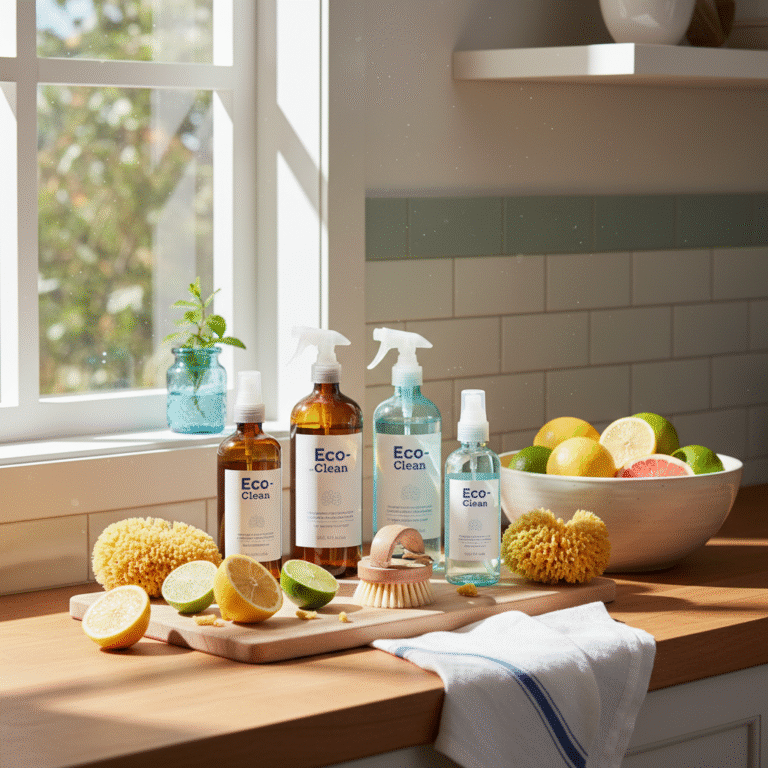
Truly eco-friendly products primarily use natural and biodegradable ingredients derived from plant-based sources or minerals. This means components like citric acid, essential oils, baking soda, and vinegar are favored over synthetic chemicals. Their biodegradability ensures that once they enter water systems, they break down naturally without persistent pollution. For example, a 2023 study by Environmental Science & Technology found that readily biodegradable surfactants (common in green cleaners) degrade by over 90% within 28 days in aquatic environments, significantly reducing their ecological footprint compared to conventional alternatives.
Absence of Harsh Chemicals
A hallmark of green cleaning solutions is the complete absence or significant reduction of harsh, toxic chemicals. These often include phosphates, chlorine bleach, ammonia, phthalates, parabens, and synthetic fragrances. Such chemicals can be corrosive, irritating, or disruptive to endocrine systems. By avoiding these, eco-friendly cleaners reduce the risk of chemical burns, respiratory issues, and other health complications for users and those in the cleaned spaces.
Sustainable Packaging and Practices
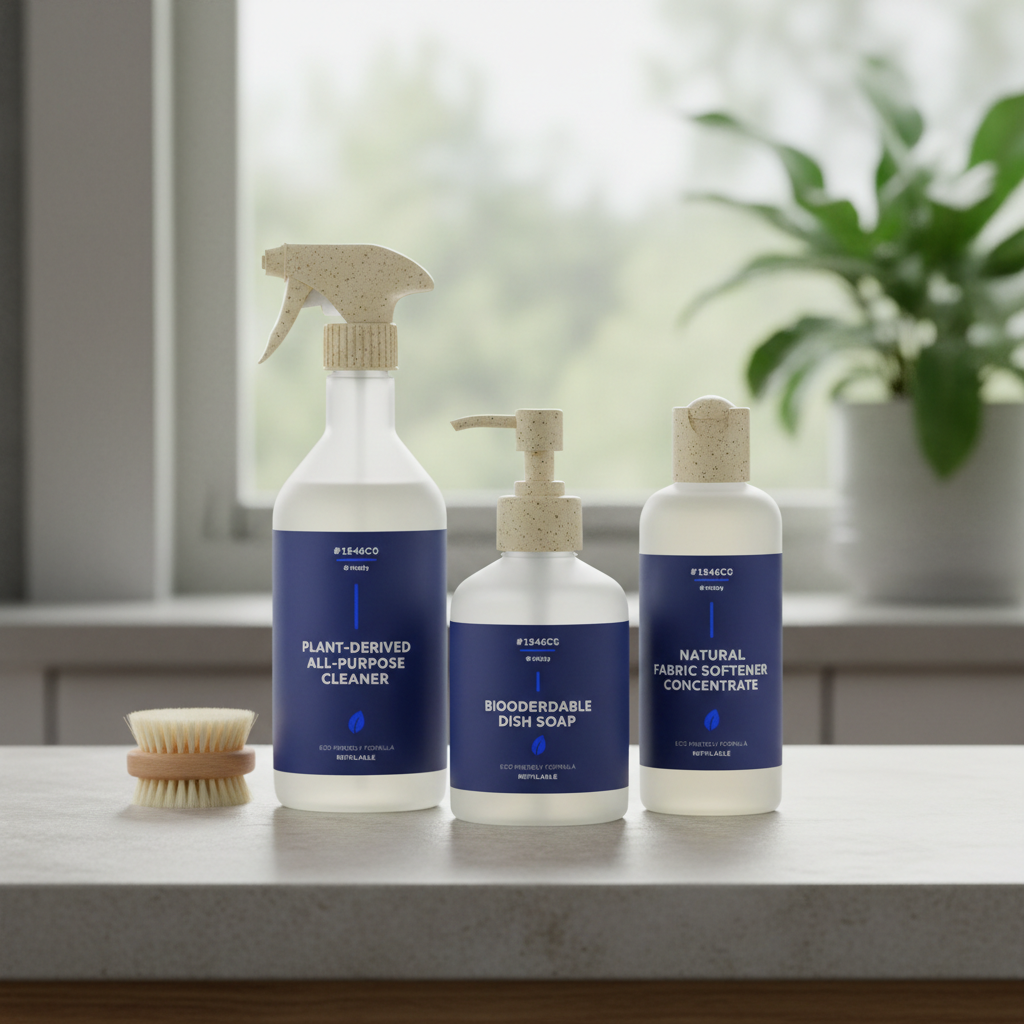
Beyond ingredients, eco-friendly cleaning brands often adopt sustainable packaging and manufacturing practices. This includes using recycled or recyclable materials for bottles, offering concentrate refills, or even package-free options. Manufacturing processes are also considered, aiming for reduced water usage, energy efficiency, and lower emissions. For instance, brands might use renewable energy sources or implement closed-loop systems to minimize waste.
Health Benefits for Your Family
Switching to non-toxic and sustainable cleaning options offers direct and tangible health benefits, particularly for families with children, pets, or individuals with sensitivities. These benefits stem from reduced exposure to harmful substances and improved environmental conditions within the home.
Reduced Exposure to Toxins
Perhaps the most immediate benefit is reduced exposure to toxins. Conventional cleaners often contain volatile organic compounds (VOCs), carcinogens, and irritants that can be inhaled or absorbed through the skin. Regular exposure to these chemicals is linked to a range of health issues, including respiratory problems, skin irritation, and even long-term chronic diseases. By eliminating these harsh chemicals, eco-friendly products create a safer home environment, particularly important for young children who spend a lot of time on floors and put objects in their mouths. The U.S. Environmental Protection Agency (EPA) highlights that indoor air can be 2-5 times more polluted than outdoor air, largely due to consumer products, including cleaners.
Improved Indoor Air Quality
Improved indoor air quality is a significant outcome of using eco-friendly products. Traditional cleaners release VOCs into the air, contributing to “sick building syndrome” and various respiratory ailments. These fumes can linger for hours, causing headaches, dizziness, and irritation of the eyes, nose, and throat. Non-toxic alternatives, often scented with natural essential oils or unscented, do not release these harmful airborne pollutants, leading to fresher, cleaner-smelling air without associated health risks. A 2020 study published in the American Journal of Respiratory and Critical Care Medicine linked frequent use of conventional cleaning products to a decline in lung function over time, comparable to smoking 20 cigarettes a day.
Less Risk of Allergic Reactions
Individuals prone to allergies, asthma, or chemical sensitivities often experience exacerbated symptoms from conventional cleaning products. The synthetic fragrances, dyes, and harsh chemicals found in many traditional cleaners are common triggers for these conditions. Less risk of allergic reactions is a key advantage of green cleaners, as they typically avoid these irritants. Their gentle, natural formulations are less likely to produce adverse reactions, making them ideal for households seeking healthy home choices and relief from environmental triggers.
Key Insight: The shift to eco-friendly cleaning is not merely an environmental choice but a foundational step towards proactively safeguarding family health, especially for vulnerable populations like children and individuals with respiratory conditions or allergies.
Environmental Advantages
The impact of our cleaning choices extends far beyond our homes, directly affecting the broader environment. Opting for eco-friendly cleaning products provides several crucial environmental advantages.
Minimizing Water Pollution
Conventional cleaning agents often contain phosphates, nitrates, and other chemicals that, once flushed down drains, enter waterways. These pollutants can lead to eutrophication, an over-enrichment of nutrients that causes algal blooms, depletes oxygen, and harms aquatic life. By contrast, eco-friendly products are typically phosphate-free and use readily biodegradable ingredients, significantly minimizing water pollution. This helps protect rivers, lakes, and oceans, preserving marine ecosystems and safe drinking water sources.
Lower Carbon Footprint
The entire lifecycle of a product contributes to its carbon footprint, from manufacturing and transportation to disposal. Eco-friendly cleaning brands often prioritize local sourcing, use concentrated formulas (reducing shipping weight and volume), and implement energy-efficient production methods. This collective effort results in a lower carbon footprint per product. Furthermore, the absence of petrochemicals in their formulation means less reliance on fossil fuels, which are major contributors to greenhouse gas emissions.
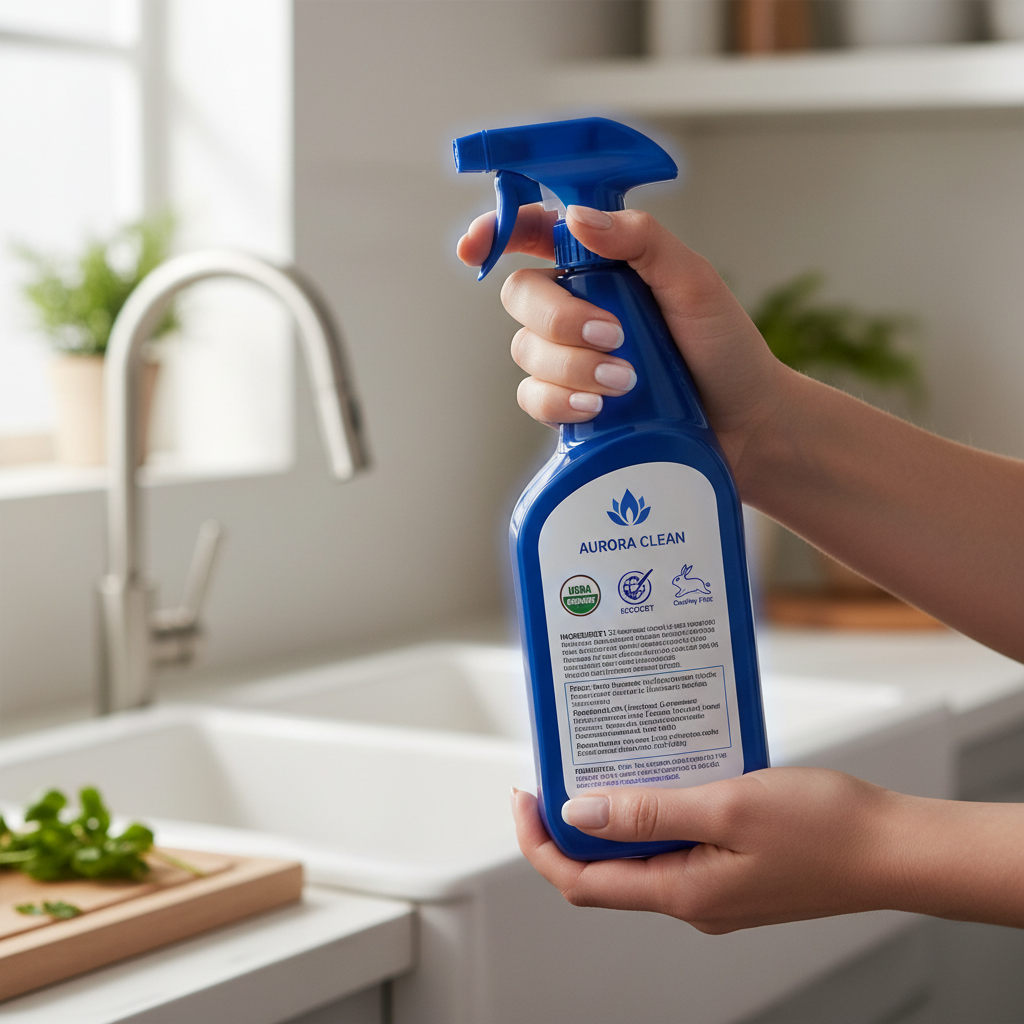
Protecting Wildlife and Ecosystems
Many chemicals found in traditional cleaners are toxic to wildlife, even in small concentrations. They can accumulate in the food chain, affecting fish, birds, and mammals. For example, triclosan, an antibacterial agent often found in soaps, is an endocrine disruptor in aquatic organisms. By choosing non-toxic and biodegradable options, we contribute to protecting wildlife and ecosystems. These products ensure that accidental spills or run-off do not introduce harmful substances into natural habitats, maintaining biodiversity and ecological balance.
| Feature | Conventional Cleaning Products | Eco-Friendly Cleaning Products |
|---|---|---|
| Ingredients | Petrochemicals, synthetic fragrances, harsh phosphates, chlorine bleach, ammonia | Plant-derived, mineral-based, essential oils, biodegradable, non-toxic |
| Environmental Impact | Water pollution, air pollution (VOCs), high carbon footprint, harm to wildlife | Minimal water pollution, improved indoor air quality, lower carbon footprint, safe for ecosystems |
| Health Risks | Respiratory issues, skin irritation, allergies, long-term chronic diseases | Generally safe, reduced risk of allergies and chemical sensitivities |
| Packaging | Often virgin plastics, non-recyclable | Recycled/recyclable materials, concentrates, refill options |
| Biodegradability | Low | High |
Common Misconceptions About Eco-Friendly Products
Despite their many benefits, eco-friendly cleaning products sometimes face skepticism, primarily due to several prevalent misconceptions regarding their performance, price, and accessibility. Addressing these concerns is crucial for encouraging wider adoption.
Effectiveness Concerns
One of the most persistent myths is about effectiveness concerns. Many consumers believe that because eco-friendly cleaners don’t contain harsh chemicals, they must be less powerful or effective at removing tough grime, germs, and stains. This is largely untrue. Modern green cleaning formulations, utilizing advanced plant-based chemistry and natural compounds like enzymes, citric acid, and concentrated surfactants, are highly effective. For example, hydrogen peroxide (a common ingredient in some eco-friendly disinfectants) is a potent germ killer, and baking soda is an excellent abrasive. Organizations like the Singapore Environment Council (SEC) certify products for their safety and effectiveness, ensuring that certified green cleaners meet rigorous performance standards.
Cost Perception
Another common misconception revolves around cost perception, with many assuming sustainable cleaning products are significantly more expensive than their traditional counterparts. While some niche or premium eco-friendly brands might have a higher upfront cost, this is not universally true. Many affordable options are available, especially when considering concentrated formulas that last longer, or DIY solutions. Additionally, the long-term health benefits (fewer doctor visits for chemical exposure, reduced allergy medication) and environmental savings (less harm to infrastructure from corrosive chemicals, no need for extensive environmental remediation) often outweigh any marginal price difference. A 2022 consumer survey by NielsenIQ found that while 38% of consumers initially perceive green products as more expensive, 70% are willing to pay more for sustainable options once they understand the value.
Availability
The idea that eco-friendly cleaning products are difficult to find or have limited availability is becoming increasingly outdated. A decade ago, specialty health food stores might have been the primary source. Today, however, major supermarkets, big-box retailers, and online stores offer a wide array of green cleaning options. The growing consumer demand for healthier and more sustainable home products has driven manufacturers and retailers to expand their stock, making it easier than ever for consumers to make the switch.
Tips for Transitioning to Eco-Friendly Cleaning
Making the switch to eco-friendly cleaning products doesn’t have to be an overwhelming overhaul. A gradual, informed approach can make the transition smooth and sustainable for your household.
Start Small, Replace Gradually
The easiest way to begin is to start small, replace gradually. Instead of discarding all your current cleaning supplies, commit to replacing one product at a time as it runs out. For example, when your all-purpose cleaner is empty, replace it with an eco-friendly version. Then, move on to your bathroom cleaner or laundry detergent. This method prevents waste, spreads out the cost, and allows you to experiment with different brands and formulations to find what works best for you. Focus first on high-use items or those that come into direct contact with skin or food surfaces.
Read Labels Critically
Becoming an informed consumer is key; therefore, it’s essential to read labels critically. Don’t be fooled by “greenwashing,” where products use marketing buzzwords like “natural” or “eco-friendly” without genuine environmental credentials. Look for specific certifications from reputable third-party organizations, such as the EPA’s Safer Choice label, the EcoLabel, or local environmental accreditation schemes like the Singapore Green Label. Check the ingredient list for transparency regarding components, avoiding those with vague terms like “fragrance” (which can hide hundreds of chemicals) or those that are clearly harsh (e.g., strong acids, petroleum distillates).
This table illustrates what to look for and what to avoid:
| Label Element | Look For | Avoid |
|---|---|---|
| Certifications | EPA Safer Choice, EcoLabel, Green Seal, Singapore Green Label | Vague “natural” claims without supporting certs |
| Ingredients | Plant-derived, mineral-based, essential oils, specific enzymes, citric acid | Phosphates, chlorine, ammonia, phthalates, parabens, synthetic dyes, “fragrance” |
| Packaging | Recycled content, recyclable, refillable, compostable | Single-use plastic, excessive packaging |
| Manufacturing | Cruelty-free, carbon neutral, sustainable sourcing | Lack of transparency, animal testing |
Consider DIY Options
For those truly committed to non-toxic home products and cost savings, consider DIY options. Many powerful and effective cleaners can be made with simple, inexpensive household ingredients. White vinegar works wonders as a disinfectant, degreaser, and glass cleaner. Baking soda is an excellent abrasive for scrubbing surfaces and deodorizing. Lemon juice provides natural acidity for stain removal and a fresh scent. Essential oils like tea tree or lavender can add natural antibacterial properties and pleasant aromas. Online resources and cleaning blogs offer countless recipes for homemade solutions, from all-purpose sprays to laundry detergents, empowering you to control every ingredient in your cleaning regimen.
Key Insight: Transitioning to eco-friendly cleaning is more accessible and impactful than ever before. By being intentional about product choices and embracing a gradual shift, households can significantly improve their health and environmental footprint without sacrificing cleaning efficacy.
Cleatra’s Commitment to Sustainable Cleaning Practices
At Cleatra Pte Ltd, our commitment extends beyond delivering pristine homes and offices; we are dedicated to providing professional cleaning services that prioritize health and environmental well-being. We understand the importance of making healthy home choices, which is why we actively integrate eco-friendly cleaning products and sustainable methodologies into our operations. Our trained professionals use carefully selected green cleaning solutions that are effective yet gentle on surfaces and safe for occupants. We continuously research and adopt the best non-toxic home products available in Singapore, ensuring our services contribute positively to both indoor air quality and the broader ecosystem. This dedication allows us to deliver exceptional cleanliness while upholding our responsibility towards a greener, healthier future for our community.
Frequently Asked Questions
Are eco-friendly cleaning products really as effective as traditional cleaners?
Yes, modern eco-friendly cleaning products are formulated with advanced plant-based and mineral ingredients that are highly effective at cleaning, degreasing, and even disinfecting. Many independent certifications verify their performance against traditional alternatives.
What are the main chemicals to avoid in traditional cleaning products?
You should primarily avoid phosphates, chlorine bleach, ammonia, phthalates, parabens, and synthetic fragrances. These chemicals can contribute to poor indoor air quality, skin irritation, respiratory issues, and environmental pollution.
Can using green cleaning products help with allergies or asthma?
Absolutely. By eliminating harsh chemicals, strong synthetic fragrances, and volatile organic compounds (VOCs) that are common irritants, green cleaning products can significantly reduce triggers for allergies and asthma, leading to improved respiratory health.
Are eco-friendly cleaning products more expensive?
While some premium brands might be, many affordable eco-friendly options are now available, especially if you consider concentrated formulas or DIY recipes. The long-term health and environmental benefits often outweigh any minor price differences.
How can I tell if a cleaning product is truly eco-friendly and not “greenwashed”?
Look for specific third-party certifications from reputable organizations like the EPA’s Safer Choice label, Green Seal, or national environmental labels. These certifications indicate that the product has met rigorous environmental and health standards.
What common household items can I use for DIY eco-friendly cleaning?
Common household ingredients like white vinegar, baking soda, lemon juice, and hydrogen peroxide can be used to create effective and non-toxic cleaning solutions for various tasks around the home.
Conclusion
Embracing eco-friendly cleaning products is a powerful step towards cultivating a healthier home environment and contributing to a more sustainable planet. From safeguarding your family’s health by reducing exposure to harmful toxins and improving indoor air quality, to minimizing water pollution and lowering your carbon footprint, the benefits are clear and far-reaching. While misconceptions about effectiveness and cost persist, the reality is that sustainable cleaning options are increasingly effective, accessible, and often cost-comparable in the long run. By making informed choices and gradually transitioning to green alternatives, you can enjoy a visibly cleaner home that also aligns with your values for health and environmental stewardship.