
Discover the Best Green Household Cleaning Products for a Healthier Life
Green household cleaning products are essential for creating a healthier home environment and reducing your ecological footprint. By opting for these non-toxic alternatives, you can protect your family’s well-being, improve indoor air quality, and contribute to a more sustainable planet. This guide explores the benefits and must-have eco-friendly solutions for every cleaning need.
Quick Answer:
- Green cleaning products protect health by avoiding harsh chemicals.
- They improve indoor air quality and are safer for children and pets.
- These products prioritize biodegradable ingredients and sustainable packaging.
- Key categories include kitchen, bathroom, laundry, and floor care solutions.
- Look for natural ingredients like baking soda and essential oils, while avoiding synthetic fragrances and bleach.
Table of Contents
- What Defines ‘Green’ in Cleaning?
- Biodegradable Ingredients
- Free from Harmful Chemicals
- Sustainable Sourcing and Packaging
- Benefits of Using Green Products for Your Home and Health
- Improved Indoor Air Quality and Reduced Allergens
- Safer for Children, Pets, and Sensitive Individuals
- Minimizing Environmental Pollution
- Must-Have Green Household Cleaning Products by Category
- Kitchen Essentials
- Bathroom Staples
- Laundry Room Solutions
- Floor Care
- Key Ingredients to Look for (and Avoid!)
- Natural Acids, Baking Soda, Essential Oils
- Avoid Synthetic Fragrances, Ammonia, Bleach, Phosphates
- Where to Purchase Quality Green Cleaning Products
- Specialty Eco-Friendly Stores
- Supermarkets with Green Sections
- Online Retailers and Subscription Services
- Cleatra’s Commitment to Eco-Conscious Cleaning Practices
- Frequently Asked Questions
- Conclusion
What Defines ‘Green’ in Cleaning?
“Green” in cleaning refers to products and practices that minimize negative impacts on human health and the environment. This definition encompasses several key criteria, moving beyond mere marketing claims to verifiable standards. Genuine eco-friendly home care products adhere to strict guidelines concerning their ingredients, manufacturing processes, and packaging.
Biodegradable Ingredients
Biodegradable ingredients are those that can naturally decompose and return to the earth without causing harm. These components break down into basic compounds, such as water, carbon dioxide, and biomass, within a reasonable timeframe, preventing long-term accumulation in ecosystems. Look for products that clearly state their biodegradability, often certified by third-party organizations.
Free from Harmful Chemicals
Truly green cleaning products are free from harmful chemicals that pose risks to health and the environment. This includes well-known culprits like parabens, phthalates, and chlorine bleach, as well as other irritants and toxins. These substances are often associated with respiratory issues, skin irritation, hormonal disruptions, and aquatic toxicity, even at low concentrations. For instance, a 2012 study published in Environmental Health Perspectives found a link between exposure to phthalates in cleaning products and adverse reproductive effects.
Sustainable Sourcing and Packaging
Sustainable sourcing and packaging are crucial aspects of green cleaning. This means ingredients are obtained from renewable resources using ethical labor practices and minimal environmental impact. Packaging often involves post-consumer recycled (PCR) materials, recyclable plastics, or even refillable systems to reduce waste. Some brands utilize bioplastics or plant-based materials for their packaging, further minimizing reliance on virgin petrochemicals.
Benefits of Using Green Products for Your Home and Health
Switching to natural cleaning solutions offers a multitude of advantages that extend beyond just a clean surface. The benefits positively impact your immediate living space, personal health, and the broader environment. Making this change is a proactive step towards a more sustainable and wholesome lifestyle.
Improved Indoor Air Quality and Reduced Allergens
Using green cleaning products significantly contributes to improved indoor air quality and reduced allergens. Traditional cleaners often release volatile organic compounds (VOCs) and other respiratory irritants into the air, which can linger for hours. These airborne chemicals can trigger allergies, asthma attacks, headaches, and other respiratory issues, especially in enclosed spaces without adequate ventilation. By contrast, green products use plant-derived ingredients and no harsh fumes, leading to a fresher, cleaner breathing environment. The Environmental Protection Agency (EPA) notes that indoor air pollution can be 2 to 5 times higher than outdoor air pollution, largely due to products used in the home.
Safer for Children, Pets, and Sensitive Individuals
Key Insight: One of the most compelling reasons to choose green cleaning products is their enhanced safety for vulnerable populations. Children, who spend more time on floors and often put objects in their mouths, are particularly susceptible to chemical residues. Their developing organ systems are less able to detoxify harmful chemicals. Pets also encounter residues on surfaces, floors, and their fur, which can be ingested during grooming. Similarly, individuals with chemical sensitivities, asthma, or allergies benefit greatly from the absence of irritants and strong synthetic fragrances found in conventional cleaners.
Minimizing Environmental Pollution
Minimizing environmental pollution is a cornerstone benefit of green cleaning. When you wash cleaning products down the drain, their ingredients enter wastewater systems. Traditional chemical-laden products can harm aquatic life, disrupt ecosystems, and persist in the environment for extended periods. Biodegradable, non-toxic alternatives break down harmlessly, drastically reducing the chemical load on our water systems and soil. Furthermore, sustainable packaging reduces plastic waste in landfills and oceans.
Must-Have Green Household Cleaning Products by Category
Equipping your home with healthier cleaning products across various categories ensures a comprehensive green cleaning approach. Each area of your home has specific needs, and thankfully, there are eco-friendly solutions designed for every task, from daily tidying to deep cleaning.
Kitchen Essentials
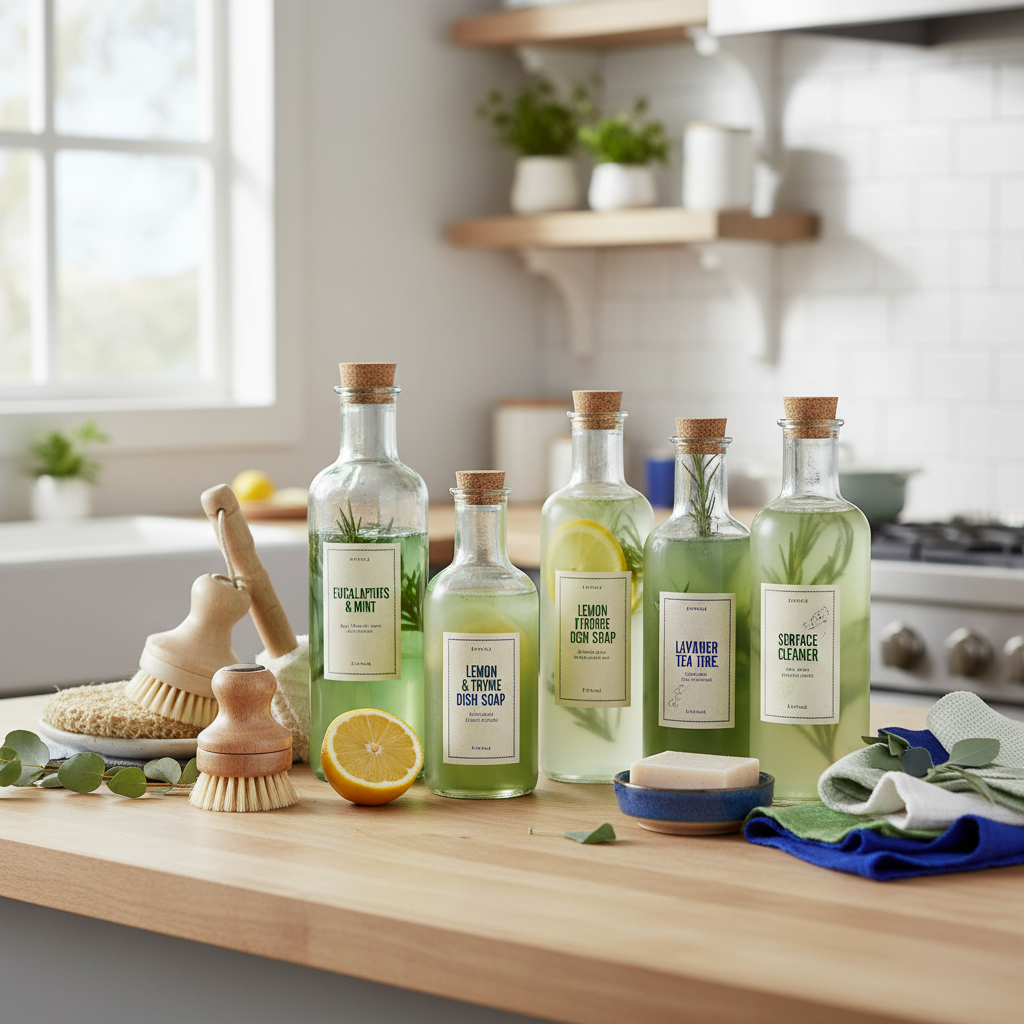
- Eco-Friendly Dish Soap: Look for plant-derived formulas that cut grease effectively without harsh surfactants or dyes. Many options offer refill pouches to reduce plastic waste.
- All-Purpose Cleaner: A versatile, multi-surface spray made with plant extracts and essential oils. Ideal for countertops, sinks, and appliance exteriors.
- Oven Cleaner: Instead of corrosive chemicals, green oven cleaners often use enzymes and natural degreasers. For a DIY approach, baking soda and vinegar paste can be highly effective.
Bathroom Staples
- Toilet Bowl Cleaner: Seek out acid-free, plant-based formulas that use ingredients like citric acid or essential oils to tackle grime and odors without chemical fumes.
- Shower and Tile Cleaner: Products containing lactic acid, acetic acid (vinegar), or enzymes can effectively remove soap scum and mildew. Some also feature specific anti-mold plant extracts.
- Glass and Mirror Cleaner: Simple solutions made with vinegar and water, or alcohol-based plant extracts, leave a streak-free shine without ammonia.
Laundry Room Solutions
- Laundry Detergent: Choose concentrated, biodegradable formulas, often in powder or liquid form, or innovative laundry sheets, free from phosphates, optical brighteners, and synthetic dyes. Many are certified for septic systems.
- Stain Remover: Natural stain removers utilize enzymes to break down organic stains, or oxygen boosters for whitening and brightening, avoiding chlorine bleach or harsh solvents.
- Fabric Softener/Dryer Sheets: Opt for wool dryer balls or plant-based fabric softeners with natural scents to reduce static and soften clothes without chemical coatings.
Floor Care
- Hardwood Floor Cleaner: Gentle, pH-neutral cleaners specifically formulated for wood, often containing plant-based surfactants and natural oils, protect your floors while cleaning.
- Tile and Grout Cleaner: Green tile cleaners use plant-derived acids and surfactants to lift dirt and brighten grout without corrosive or abrasive chemicals.
- Carpet Cleaners: Spot cleaners and full-carpet solutions often employ enzyme-based technology to break down stains and odors, safe for pets and children. Avoid synthetic fragrances that can irritate lungs.
| Feature / Product Type | Traditional Cleaner | Green Cleaner (Example) |
|---|---|---|
| Ingredients | Harsh chemicals (e.g., ammonia, bleach, phosphates, petrochemicals) | Plant-derived, mineral-based, biodegradable |
| VOC Emissions | High | Low to none |
| Scent | Synthetic fragrances | Natural essential oils or unscented |
| Packaging | Virgin plastics, often non-recyclable | Recycled content (PCR), recyclable, refillable, compostable |
| Environmental Impact | Water pollution, air pollution, non-biodegradable waste | Minimal water/air pollution, biodegradable, reduced landfill waste |
| Health Impact | Respiratory irritants, skin sensitivities, potential long-term health risks | Non-toxic, hypoallergenic, safer for sensitive individuals |
Key Ingredients to Look for (and Avoid!)
Understanding the ingredients in your cleaning products empowers you to make informed decisions for a truly sustainable home cleaning regimen. Being able to decipher labels helps you distinguish between genuinely eco-friendly options and “greenwashed” products that might still contain harmful substances.
Natural Acids, Baking Soda, Essential Oils
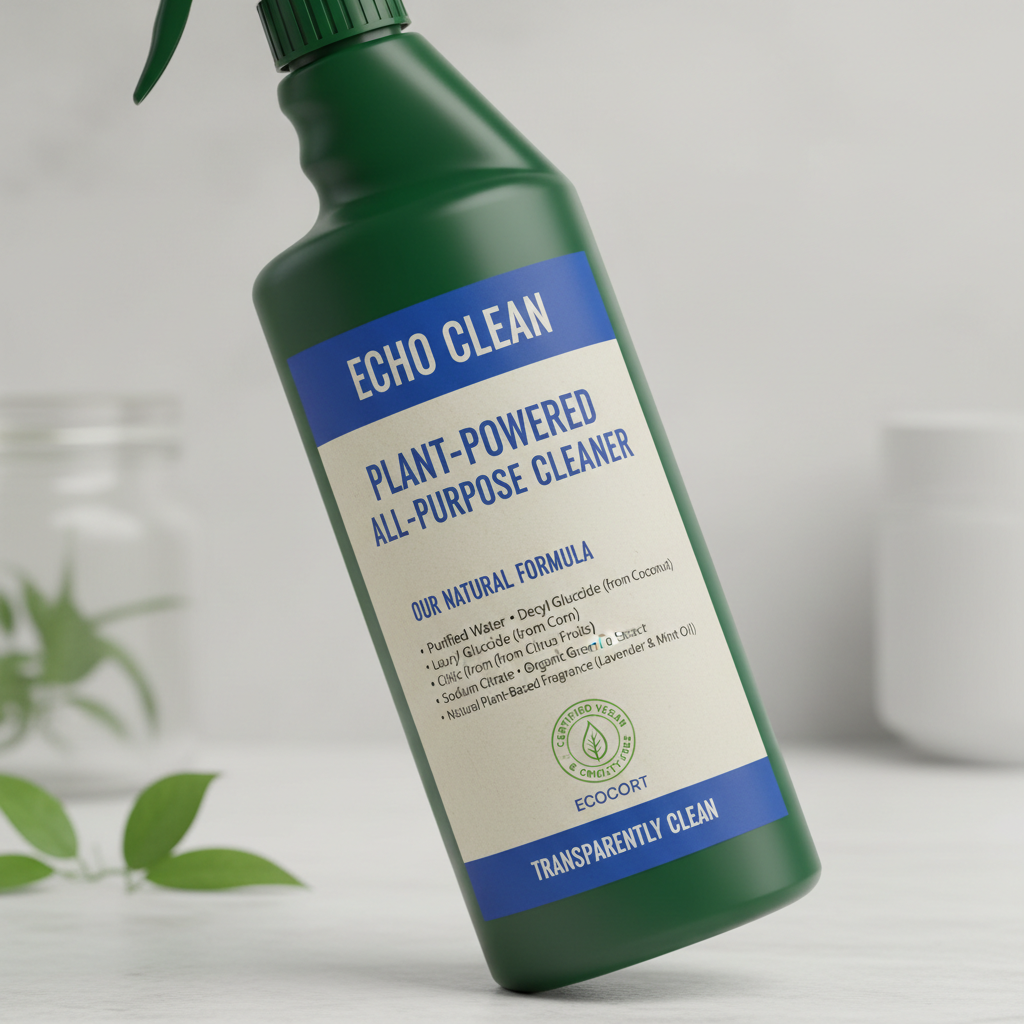
When seeking green cleaning products, keep an eye out for effective natural ingredients. Natural acids like citric acid (from lemons) and acetic acid (vinegar) are excellent at dissolving mineral deposits, soap scum, and light grease. Baking soda (sodium bicarbonate) is a powerful, non-abrasive scrubber, deodorizer, and gentle brightener. Essential oils such as tea tree, lemon, and lavender not only provide natural, pleasant scents but also offer antimicrobial and antibacterial properties, boosting cleaning efficacy without synthetic fragrances.
Avoid Synthetic Fragrances, Ammonia, Bleach, Phosphates
Conversely, there are several ingredients you should actively avoid in your cleaning products. Synthetic fragrances, often listed simply as “fragrance,” are common allergens and can contain phthalates and other undisclosed chemicals. Ammonia is a strong respiratory irritant and can be toxic if mixed with bleach. Bleach (sodium hypochlorite) is highly corrosive, toxic to aquatic life, and can create dangerous fumes when mixed with other cleaners. Phosphates, once common in detergents, contribute to eutrophication in waterways, leading to harmful algal blooms and oxygen depletion.
Key Insight: Many conventional cleaning products contain a cocktail of ingredients that can interact in unseen ways, potentially amplifying negative health or environmental effects. Prioritizing products with short, transparent ingredient lists is a simple yet powerful strategy for minimizing exposure to harmful compounds.
Where to Purchase Quality Green Cleaning Products
The availability of green household cleaning products has expanded significantly, making it easier than ever to switch to safer alternatives. Knowing where to look ensures you find genuine eco-friendly options rather than products that merely claim to be “natural.”
Specialty Eco-Friendly Stores
Specialty eco-friendly stores are dedicated retailers that stock a wide range of certified green products. These stores often curate their selections carefully, focusing on brands with strong environmental and ethical credentials. They can be excellent resources for discovery and often have knowledgeable staff who can provide recommendations and explain product benefits in detail. They might also offer bulk refills or innovative products not yet widely available in mainstream stores.
Supermarkets with Green Sections
Many mainstream supermarkets with green sections now dedicate aisles or specific areas to eco-friendly and organic products. This makes it convenient to integrate green cleaning into your regular shopping routine. While selection might be narrower than specialty stores, you can typically find popular brands of eco-conscious dish soap, all-purpose cleaners, and laundry detergents here. Always check for third-party certifications like EPA Safer Choice or Ecocert, which verify claims.
Online Retailers and Subscription Services
Online retailers and subscription services offer unparalleled convenience and often a broader selection of green cleaning products. Websites dedicated to eco-friendly living or large e-commerce platforms house numerous brands, including smaller, artisan producers. Subscription services can deliver refills or new products directly to your door at regular intervals, often at a discount, making it simple to maintain a green household without frequent trips to the store. This also reduces the carbon footprint associated with individual shopping trips.
Cleatra’s Commitment to Eco-Conscious Cleaning Practices
At Cleatra, our mission extends beyond delivering pristine cleaning results; we are deeply committed to fostering healthier homes and a greener Singapore. We understand the intrinsic link between the cleaning products we use and the well-being of our clients, their loved ones, and the environment. This commitment is embedded in our service philosophy and operational choices.
We prioritize the use of eco-friendly cleaning solutions for all our services, from general home cleaning to specialized deep cleaning and office maintenance. Our professional teams are trained to select and apply products that are rigorously vetted for their non-toxic, biodegradable, and sustainably sourced properties. We actively seek out products that carry reputable environmental certifications, ensuring they meet stringent standards for safety and ecological impact.
For instance, when performing a post-renovation cleaning, where dusty and chemical residues can be prevalent, we apply robust, yet gentle, green alternatives to ensure every surface is purified without introducing new irritants. Similarly, for upholstery cleaning, we opt for plant-derived formulas that are tough on stains but safe for fabrics and indoor air quality, protecting both your furnishings and your family’s health. Our approach means you don’t have to compromise on cleanliness to achieve a truly healthy and sustainable living or working space. By choosing Cleatra, you’re selecting a partner dedicated to responsible cleaning that benefits everyone.
Frequently Asked Questions
What are the main differences between green and conventional cleaning products?
The main differences lie in their ingredients and environmental impact. Green products use plant-derived, biodegradable ingredients, avoiding harsh chemicals like ammonia, bleach, and synthetic fragrances, which are common in conventional cleaners. This results in less indoor air pollution and reduced harm to aquatic ecosystems.
Are green cleaning products as effective as traditional ones?
Yes, modern green cleaning products are highly effective. Advancements in formulations using natural acids, enzymes, and plant-based surfactants allow them to cut grease, disinfect, and remove stains just as well as, if not better than, their chemical counterparts, without the associated risks.
How can I identify truly green cleaning products while shopping?
Look for reputable third-party certifications such as EPA Safer Choice, Ecocert, Green Seal, or Leaping Bunny (for cruelty-free). Also, check ingredient lists for transparency, favoring products with plant-derived components, and avoiding vague terms like “fragrance.” Sustainable packaging, like post-consumer recycled content, is another good indicator.
Are green cleaning products more expensive?
Initially, some green cleaning products might seem slightly more expensive than conventional options. However, their concentrated formulas often mean you use a smaller amount per cleaning session, and many brands offer refill options, which can lead to cost savings over time. The long-term health and environmental benefits also outweigh the minimal price difference.
Can I make my own green cleaning products at home?
Absolutely! Many effective green cleaning solutions can be made with common household ingredients. White vinegar works well as an all-purpose cleaner and disinfectant, baking soda is great for scrubbing and deodorizing, and lemon juice can help remove stains and brighten surfaces. Essential oils can be added for natural scent and antibacterial properties.
Conclusion
Embracing green household cleaning products is a powerful step towards cultivating a healthier home environment and contributing to a more sustainable future. By understanding what makes a product truly “green” – from biodegradable ingredients and the absence of harmful chemicals to sustainable sourcing – you can make informed choices that benefit your family, your pets, and the planet. The widespread availability of effective green alternatives for every cleaning task, from your kitchen to your laundry room, makes this transition both practical and rewarding. Make the smart switch to eco-conscious cleaning and enjoy a pristine, non-toxic home.