Bathroom Cleaning Singapore: Your Guide to a Spotless Sanctuary
Achieving a truly spotless and hygienic bathroom in Singapore is essential for well-being, and effective bathroom cleaning Singapore involves more than just a quick wipe-down. This guide provides comprehensive strategies, from daily maintenance to deep cleaning techniques, ensuring your bathroom remains a fresh and healthy sanctuary.
Quick Answer:
- Regular cleaning prevents grime buildup and promotes hygiene.
- Deep cleaning requires systematic steps for toilets, showers, and floors.
- Mildew and mold thrive in Singapore’s humidity and need targeted removal.
- Eco-friendly solutions offer effective cleaning alternatives.
- Professional cleaning services are ideal for thorough, hassle-free results and specialized tasks.
Table of Contents
- The Importance of a Hygienic Bathroom in Singapore Homes
- Daily Habits for a Fresh Bathroom
- Deep Cleaning Your Toilet: A Step-by-Step Guide
- Shower & Bathtub Brilliance: Removing Soap Scum & Stains
- Dealing with Mildew and Mold in Humid Climates
- Sparkling Sinks & Faucets: Polishing Techniques
- Floor & Grout Cleaning: Restoring Shine and Hygiene
- Organising Your Bathroom for Easier Cleaning
- Eco-Friendly Bathroom Cleaning Solutions
- When Professional Bathroom Cleaning is Essential
- Cleatra’s Bathroom Cleaning Expertise
- Frequently Asked Questions
- Conclusion
The Importance of a Hygienic Bathroom in Singapore Homes
A hygienic bathroom is crucial for preventing the spread of germs and maintaining a healthy living environment, especially in Singapore’s humid climate. Bathrooms are high-traffic areas prone to significant bacterial growth and the accumulation of soap scum, hard water stains, and mildew.
Regular and thorough cleaning significantly reduces the presence of pathogens like E. coli and Salmonella, which can thrive on damp surfaces. A clean bathroom also contributes to better indoor air quality by eliminating sources of unpleasant odors and mold spores, which can trigger allergies and respiratory issues. According to a 2023 study by the Environmental Protection Agency (EPA), well-ventilated and regularly cleaned bathrooms show a 70% reduction in airborne mold spores compared to neglected ones.
Daily Habits for a Fresh Bathroom
Establishing daily habits can dramatically reduce the effort required for deep cleaning and maintain a consistently fresh bathroom. These small actions prevent grime from building up and make the space more pleasant.
- Wipe down surfaces: After use, quickly wipe down the sink, counter, and shower walls with a microfiber cloth to prevent water spots and soap scum. This removes residue before it has a chance to harden.
- Ventilate: Run the exhaust fan during and for at least 15-20 minutes after showering to reduce humidity. This is critical in Singapore’s climate to prevent mildew growth.
- Clean the toilet bowl: Give the toilet bowl a quick scrub with a toilet brush daily or every other day. Using an antibacterial toilet cleaner ensures a consistently disinfected surface.
- Hang towels: Ensure all towels are hung properly to allow them to air dry completely. Damp towels can harbor bacteria and develop a musty smell quickly.
- Empty bins: Regularly empty bathroom bins to prevent odors and insect attraction. Aim for daily emptying, especially if used for hygiene products.
Deep Cleaning Your Toilet: A Step-by-Step Guide
Deep cleaning your toilet is a critical part of bathroom cleaning Singapore, as it’s the area most likely to harbor bacteria and stains. This systematic approach ensures thorough disinfection and a sparkling finish.
- Preparation: Flush the toilet and apply a strong toilet bowl cleaner directly under the rim and into the bowl. Allow it to sit for 5-10 minutes (or as directed by the product) to dissolve stains and disinfect.
- Scrub the bowl: Use a sturdy toilet brush to scrub the inside of the bowl thoroughly, paying special attention to the rim, water line, and any visible stains. Ensure you reach all crevices.
- Clean the exterior: While the cleaner works in the bowl, spray the exterior of the toilet (lid, seat, base, and handle) with an all-purpose bathroom cleaner or a disinfectant spray. Wipe these surfaces clean with a microfiber cloth, moving from top to bottom.
- Disinfect the seat: Lift the toilet seat and clean both sides, as well as the hinges and bolt covers, which can accumulate grime. Use a fresh, clean cloth to avoid cross-contamination.
- Final flush and polish: Close the lid and flush the toilet. For an added shine, use a glass cleaner on the outside of the bowl and seat once dry, buffing it with a clean, dry cloth.
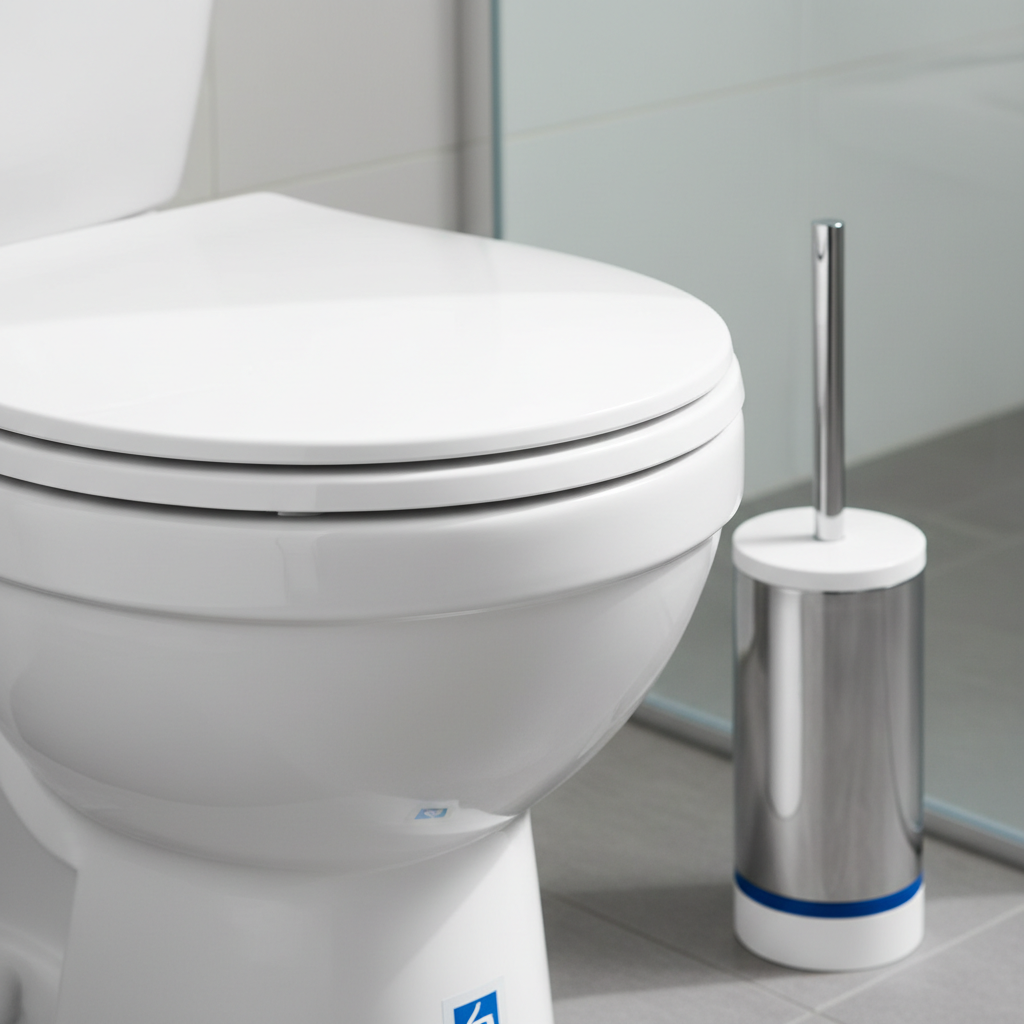
Shower & Bathtub Brilliance: Removing Soap Scum & Stains
Showers and bathtubs often accumulate soap scum and hard water stains, which can be challenging to remove without the right technique. Consistent cleaning is key to maintaining their shine.
- Pre-treatment: For stubborn soap scum, spray the entire shower and bathtub area with a specialized soap scum remover or a DIY solution of equal parts white vinegar and dish soap. Let it sit for 10-15 minutes.
- Scrubbing: Use a non-abrasive sponge or brush to scrub the walls, floor, and tub surface. For textured surfaces or tile grout, a stiff-bristled brush can be more effective.
- Rinsing: Thoroughly rinse all surfaces with warm water, ensuring no cleaning solution residue remains. A detachable showerhead makes this process easier.
- Glass shower doors: To remove water spots and soap scum from glass doors, use a squeegee after each shower. For built-up grime, apply a vinegar solution or a commercial glass cleaner and polish with a microfiber cloth.
- Fixture shining: Wipe down faucets and showerheads with a damp cloth and then buff dry with a microfiber cloth to prevent water spots.
Key Insight: For persistent hard water stains in the shower, a paste made from baking soda and a small amount of water, applied and left for 30 minutes before scrubbing, can effectively break down mineral deposits without harsh chemicals.
Dealing with Mildew and Mold in Humid Climates
Singapore’s high humidity creates an ideal breeding ground for mildew and mold, especially in damp bathroom environments. Prompt and effective removal is crucial for health and aesthetic reasons.
Mildew is often white, gray, or yellow and has a powdery appearance, while mold is typically black or green and has a fuzzy or slimy texture. Both thrive in moisture and can quickly spread if not addressed.
- Ventilation first: The most effective defense is good ventilation. Always use exhaust fans during and after showering, open windows, and ensure proper airflow to dry surfaces quickly.
- Mildew removal techniques: For light mildew, a solution of one part white vinegar to one part water sprayed directly on the affected area can be effective. Let it sit for an hour, then scrub with a brush and rinse.
- Mold removal techniques: For more stubborn mold, a solution of 1 part bleach to 10 parts water (ensure adequate ventilation and wear gloves) can be used. Spray or apply with a cloth, let it sit for 15-30 minutes, then scrub thoroughly and rinse. Never mix bleach with ammonia or vinegar, as it creates toxic fumes.
- Grout treatment: Mold often takes root in grout lines. Specialized grout cleaning Singapore solutions or a steam cleaner can penetrate and sanitize these porous areas.
- Preventative measures: After cleaning, consider applying a mold-inhibiting spray or regularly wiping down damp surfaces with a dry cloth to prevent regrowth.
Sparkling Sinks & Faucets: Polishing Techniques
Sinks and faucets are constantly exposed to water, toothpaste, and soap, leading to water spots, grime, and dullness. Regularly polishing them enhances the overall cleanliness of your bathroom.
- Initial clean: Start by wiping down the sink with an all-purpose bathroom cleaner to remove surface dirt and toothpaste residue. Use a soft brush for the overflow drain and faucet base.
- Remove hard water stains: For hard water spots on faucets and chrome fixtures, apply white vinegar (diluted or undiluted, depending on severity) or a commercial lime scale remover. Let it sit for a few minutes, then scrub gently with a soft cloth or a toothbrush for intricate areas.
- Polishing chrome: After cleaning, use a dry microfiber cloth to buff chrome fixtures to a high shine. You can also use a small amount of baby oil or lemon oil on a cloth for an extra gleam.
- Ceramic sinks: Ceramic sinks can be brightened with a paste of baking soda and water. Apply it, let it sit for 10-15 minutes, then scrub gently and rinse. For stubborn stains, a non-abrasive cleaner designed for ceramics can be used.
- Drain cleaning: Every few weeks, pour a mixture of baking soda followed by white vinegar down the drain to help break down minor clogs and eliminate odors.
| Cleaning Surface | Recommended Cleaner | Technique | Frequency |
|---|---|---|---|
| Chrome Faucets | White vinegar, commercial lime scale remover | Spray/apply, let sit, scrub, buff dry | Weekly |
| Ceramic Sinks | All-purpose cleaner, baking soda paste | Wipe down, apply paste, scrub, rinse | Daily/Weekly |
| Glass Shower Doors | White vinegar, glass cleaner | Spray, squeegee/wipe, buff dry | Daily/Weekly |
| Grout Lines | Bleach solution, grout cleaner | Apply, scrub with brush, rinse | Monthly/Bi-monthly |
| Toilet Bowl | Toilet bowl cleaner, disinfectant spray | Apply, scrub inside, wipe exterior | Daily/Weekly |
Floor & Grout Cleaning: Restoring Shine and Hygiene
Bathroom floors and especially grout lines are notorious for trapping dirt, mold, and mildew, making grout cleaning Singapore a vital step in deep cleaning. Restoring their shine significantly improves the bathroom’s appearance and hygiene.
- Clear the floor: Remove all mats, rugs, and waste bins from the bathroom floor to allow full access.
- Sweep or vacuum: Begin by sweeping or vacuuming the floor to pick up loose dirt, hair, and dust. This prevents muddy water when mopping.
- Grout pre-treatment: For dirty grout, apply a specialized grout cleaner or a paste of baking soda mixed with hydrogen peroxide to the lines. Let it sit for 10-15 minutes to penetrate the grime.
- Scrubbing grout: Use a stiff grout brush or an old toothbrush to scrub along the grout lines. This requires focused effort to dislodge embedded dirt and mold.
- Mop the floor: Mix an appropriate floor cleaner (specifically for tile or stone, if applicable) with warm water. Mop the entire floor, ensuring even coverage. For tough stains, allow the cleaner to sit for a few minutes before mopping.
- Rinse thoroughly: Rinse the mop head frequently and mop the floor again with clean water to remove all cleaning solution residue. This prevents a sticky film and ensures a streak-free finish.
- Dry completely: Open windows or use a fan to help the floor dry completely. Standing water can lead to new mildew growth.
Organising Your Bathroom for Easier Cleaning
An organized bathroom is a cleaner bathroom. Implementing effective storage solutions and decluttering strategies can significantly reduce cleaning time and effort.
- Declutter surfaces: Remove all unnecessary items from countertops, shower shelves, and the edge of the tub. Only keep daily essentials easily accessible. Store less frequently used items in cabinets or drawers.
- Utilize vertical space: Install wall-mounted shelving or over-the-toilet storage units to keep items off the floor and counter. This creates more accessible surface area for cleaning.
- Drawer and cabinet organizers: Use drawer dividers and cabinet inserts to keep toiletries, makeup, and cleaning supplies neatly arranged. This prevents clutter from spreading and makes it easier to find what you need.
- Shower caddies: A waterproof shower caddy can hold all your shower essentials, making it easy to remove them for cleaning the shower walls and floor.
- Less is more: Regularly review your bathroom products and discard anything expired, unused, or nearly empty. This minimalist approach reduces the number of items that need to be moved or cleaned around.
- Designated homes: Ensure every item in the bathroom has a specific place. This makes returning items after use a habit and prevents general messiness.
Eco-Friendly Bathroom Cleaning Solutions
Adopting eco-friendly bathroom cleaning practices protects both your health and the environment by reducing exposure to harsh chemicals. Many natural ingredients are highly effective against common bathroom grime.
- White vinegar: A versatile cleaner and disinfectant, white vinegar is excellent for cutting through soap scum, hard water stains, and killing mold and mildew. Its acetic acid content makes it a powerful acetic agent.
- Baking soda: An abrasive cleaner and deodorizer, baking soda can be used as a paste for scrubbing sinks, tubs, and grout, or sprinkled to absorb odors. It’s gentle yet effective.
- Lemon juice: The citric acid in lemon juice is great for dissolving mineral deposits and leaving a fresh scent. It can be used for polishing fixtures and removing stains.
- Essential oils: Tea tree oil and eucalyptus oil have natural antibacterial and antifungal properties. A few drops can be added to DIY cleaning solutions for an extra boost of disinfection and a pleasant aroma.
- Microfiber cloths: These cloths are highly effective at trapping dirt and microbes, often requiring only water for cleaning and reducing the need for chemical sprays. They are durable and reusable.
- Comparison of Eco-Friendly Cleaners:
| Eco-Friendly Cleaner | Primary Use Case | Benefits | Limitations |
|---|---|---|---|
| White Vinegar | Soap scum, hard water, mildew, disinfection | Natural disinfectant, inexpensive, versatile | Strong odor (dissipates quickly), can etch natural stone |
| Baking Soda | Scrubber, deodorizer, stain remover | Non-abrasive, neutralizes odors, gentle | Requires elbow grease for tough stains |
| Lemon Juice | Polishing, mineral deposit removal, odor | Fresh scent, natural acidity | Less powerful disinfectant than vinegar |
| Tea Tree Oil | Antifungal, antibacterial boost | Powerful natural germ killer | Must be diluted, strong scent |
| Microfiber Cloths | Surface cleaning, polishing | Traps dirt effectively, reduces chemical use | Requires regular washing |
Key Insight: Combining white vinegar and baking soda effectively tackles many bathroom cleaning challenges. The fizzing reaction helps to lift grime, though a 5-10 minute wait after application is often more effective than immediately scrubbing.
When Professional Bathroom Cleaning is Essential
While regular DIY cleaning is important, there are specific situations where professional bathroom cleaning in Singapore by companies like Cleatra becomes not just beneficial but essential.
- Deep-seated grime and mold: If your bathroom suffers from extensive mold growth, deep-seated grout discoloration, or layers of built-up soap scum that standard cleaning can’t remove, professionals have specialized tools and stronger, safer products.
- Move-in/Move-out cleaning: For tenancy agreements or ensuring a pristine start/end in a new home, a professional deep clean guarantees all hidden corners and potential problem areas are addressed to a high standard.
- Post-renovation cleanup: Renovation dust can be pervasive and difficult to remove from all surfaces, including high-up ledges and inside fixtures. Professionals have the right equipment to handle this finely dispersed dust efficiently.
- Time constraints: Life in Singapore can be busy. If you lack the time or physical ability for a thorough deep clean, outsourcing this task frees up your schedule and ensures the job is done expertly.
- Specialized cleaning needs: Some bathrooms may have delicate surfaces (e.g., natural stone) requiring specific cleaning agents and techniques to avoid damage. Professionals are trained in these nuances.
- Health and hygiene concerns: For individuals with allergies, asthma, or compromised immune systems, a professionally sanitized bathroom significantly reduces exposure to pathogens and allergens.
Cleatra’s Bathroom Cleaning Expertise
Cleatra Pte Ltd offers comprehensive bathroom cleaning Singapore services designed to deliver immaculate results efficiently and affordably. Their approach focuses on thoroughness, using professional-grade equipment and eco-friendly solutions to ensure a hygienic and sparkling clean.
- Comprehensive scope: Cleatra’s services cover all aspects of bathroom cleaning, including meticulous toilet disinfection, detailed shower tile cleaning, removal of stubborn soap scum and hard water stains, mildew removal bathroom, and meticulous grout cleaning Singapore.
- Experienced professionals: Their cleaning specialists are well-trained in the latest cleaning techniques and adhere to strict hygiene protocols. They understand the unique challenges posed by Singapore’s climate, particularly concerning mold and mildew.
- Advanced equipment and products: Cleatra utilizes industry-standard tools and high-quality, safe cleaning agents that effectively tackle entrenched dirt and germs without damaging surfaces. They prioritize eco-friendly options where possible.
- Customizable services: Whether you need a one-time deep clean, regular maintenance, or specialized services like post-renovation cleanup, Cleatra offers flexible packages tailored to your specific needs.
- Focus on hygiene: Beyond surface-level clean, their service ensures deep disinfection, eliminating bacteria and allergens to create a truly healthy bathroom environment. This is especially important for areas prone to microbial growth.
Frequently Asked Questions
How often should I deep clean my bathroom in Singapore?
In Singapore’s humid climate, it’s recommended to deep clean your bathroom every 2-4 weeks. This helps prevent the rapid buildup of mold, mildew, and soap scum, ensuring consistent hygiene.
What are the best natural remedies for removing mold from bathroom tiles?
For effective mold removal, a solution of one part white vinegar to one part water, sprayed and left for an hour before scrubbing, works well. For persistent mold, a paste of baking soda and hydrogen peroxide can also be applied to affected areas.
Can humidity in Singapore cause permanent damage to bathroom fixtures?
High humidity can lead to issues like corrosion on metal fixtures, degradation of sealants like silicone caulk, and accelerated growth of mold and mildew on various surfaces, potentially leading to discoloration and structural damage over time if not managed.
What is the most effective way to clean shower grout?
The most effective way to clean shower grout is to apply a specialized grout cleaner or a baking soda and hydrogen peroxide paste directly onto the lines. Let it sit for 10-15 minutes, then vigorously scrub with a stiff grout brush before rinsing thoroughly.
How can I prevent soap scum buildup on my shower walls?
To prevent soap scum buildup, use a squeegee on shower walls after every use. Additionally, consider using liquid soaps instead of bar soaps, as they contain fewer ingredients that contribute to scum formation.
Are professional bathroom cleaning services worth the cost?
Professional bathroom cleaning services are often worth the cost for thorough deep cleaning, extensive mold removal, move-in/move-out cleans, or simply to save time and effort while ensuring a high standard of hygiene. They use specialized tools and techniques for superior results.
Conclusion
Maintaining a spotless and hygienic bathroom in Singapore is easily achievable with consistent effort and the right techniques. From daily wipe-downs to targeted deep cleaning of toilets, showers, and grout, each step contributes to a healthier, more inviting space. When time or stubborn grime becomes a challenge, remember that professional services like Cleatra Pte Ltd are readily available to transform your bathroom into a pristine sanctuary, ensuring expert results and peace of mind. Embrace these strategies and enjoy the benefits of a truly clean bathroom.