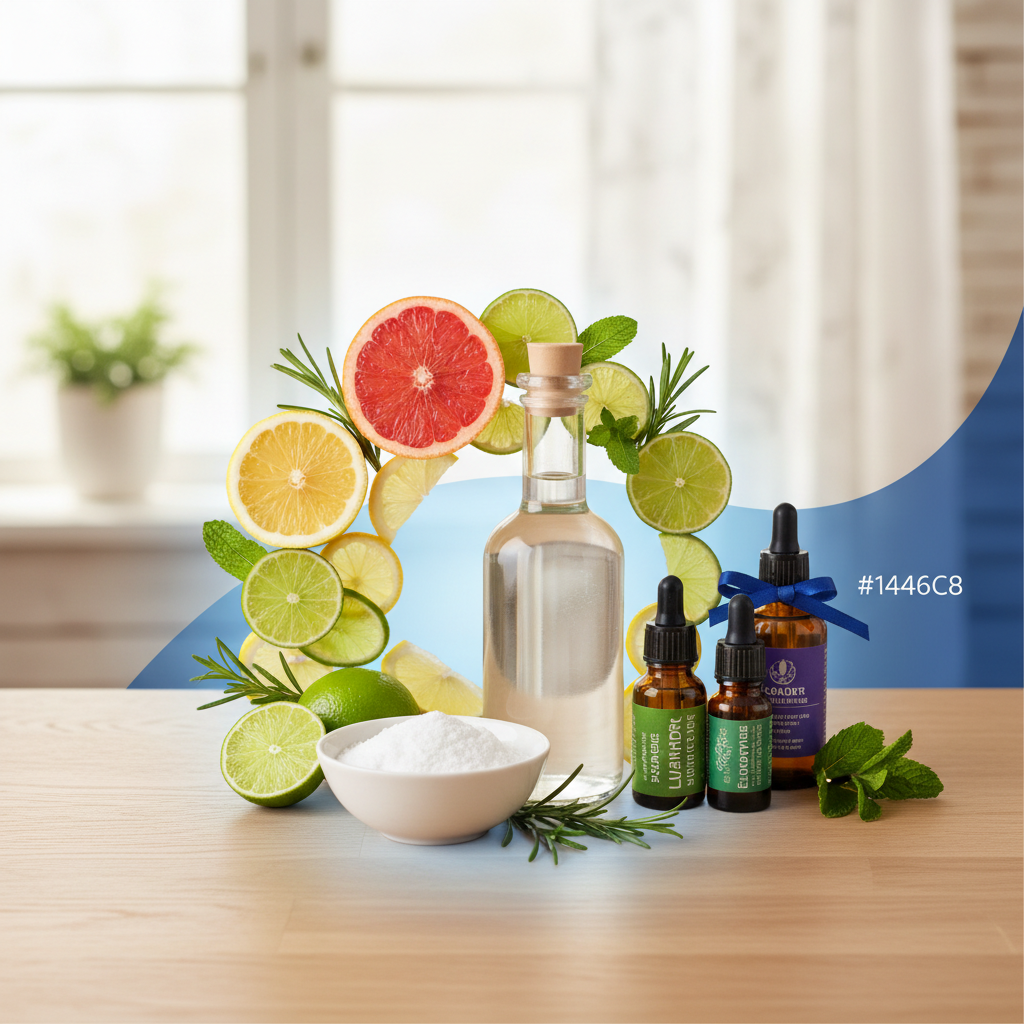
The Ultimate Guide to Green Cleaning Products for a Sustainable Home
Using green cleaning products is more important than ever for creating a healthier home and a more sustainable planet. These products offer effective cleaning power without relying on harsh chemicals, safeguarding your well-being and reducing your environmental footprint. This guide explores the benefits, helps you identify genuinely eco-friendly options, and provides practical tips for integrating them into your cleaning routine.
Quick Answer:
- Green cleaning products use natural, non-toxic ingredients and sustainable manufacturing.
- They protect health by eliminating harsh chemicals and improving indoor air quality.
- Environmentally, they reduce pollution and support sustainable practices.
- Key products are available for every room, from kitchens to bathrooms.
- Look for reputable certifications like Green Seal and Safer Choice.
Table of Contents
- What Exactly Are Green Cleaning Products?
- Defining ‘Green’: Ingredients, Manufacturing, and Packaging
- Move Beyond Buzzwords: What to Look For
- The Unquestionable Benefits for Your Health and Home
- Eliminate Harsh Chemicals and Fumes
- Safer for Children, Pets, and Those with Sensitivities
- Improved Indoor Air Quality
- Environmental Impact: How Green Products Make a Difference
- Reducing Water Pollution
- Lowering Your Carbon Footprint
- Supporting Sustainable Practices
- Key Green Cleaning Products for Every Room
- Kitchen: Dish Soap, All-Purpose, Stain Removers
- Bathroom: Toilet Cleaners, Shower Sprays, Mold Control
- General Cleaning: Floor Cleaners, Glass Cleaners, Dust Sprays
- Decoding Labels: Certifications and Ingredients to Prioritize
- Recognized Eco-Labels (e.g., Green Seal, Safer Choice)
- Plant-Based Ingredients vs. Synthetic Compounds
- Tips for a Greener Cleaning Routine
- DIY Solutions, Reusable Tools, Proper Storage
- Cleatra’s Dedication to Green and Sustainable Cleaning
- Frequently Asked Questions
- Conclusion
What Exactly Are Green Cleaning Products?
Green cleaning products are cleaning agents formulated with ingredients derived from natural, renewable resources that are biodegradable and non-toxic, minimizing harm to human health and the environment during their use and disposal. These products are designed to clean effectively without the harsh chemicals often found in traditional cleaners.
Defining ‘Green’: Ingredients, Manufacturing, and Packaging
Defining ‘green’ in cleaning products encompasses more than just the ingredients; it also considers the entire lifecycle, from sourcing and manufacturing to packaging and disposal. True eco-friendly cleaning solutions prioritize sustainability at every stage.
- Ingredients: Natural cleaning products avoid petroleum-based chemicals, phosphates, chlorine bleach, artificial fragrances, and dyes. Instead, they often use plant-derived surfactants, essential oils, and mineral-based abrasives.
- Manufacturing: Sustainable home products are typically manufactured using processes that reduce energy consumption, minimize waste, and prevent the release of pollutants into the air and water. This includes using renewable energy sources and closed-loop systems.
- Packaging: Environmentally conscious brands use packaging that is recyclable, made from recycled content, or designed to be refillable. Reducing single-use plastics is a significant goal in this area.
Move Beyond Buzzwords: What to Look For
To identify genuinely green cleaning products, it’s crucial to look beyond marketing buzzwords like “natural” or “eco-friendly,” which can sometimes be used without genuine substantiation. Instead, focus on transparency and third-party certifications. Look for ingredient lists that are clear and understandable, avoiding vague terms like “fragrance” if not followed by specific, plant-derived components. Companies committed to green practices will often disclose their full ingredient list and manufacturing processes. They will also list their certifications prominently, indicating that their claims have been verified by an independent organization.
The Unquestionable Benefits for Your Health and Home
Adopting non-toxic household cleaners brings a multitude of verifiable benefits, directly improving the health of your family and the overall quality of your living environment. These advantages extend beyond just surface cleanliness, impacting respiratory health, skin sensitivity, and the purity of your indoor air.
Eliminate Harsh Chemicals and Fumes
One of the primary benefits is the complete elimination or significant reduction of exposure to harsh chemicals and noxious fumes. Traditional cleaning products often contain volatile organic compounds (VOCs), phthalates, ammonia, and chlorine, which can irritate eyes, skin, and respiratory tracts, and contribute to headaches and nausea. A 2018 study published in the American Journal of Respiratory and Critical Care Medicine found that regular use of cleaning sprays had similar negative impacts on lung function as smoking 20 cigarettes a day over 10 to 20 years. Green cleaning products sidestep these risks by utilizing naturally derived ingredients that are inherently less irritating and produce no harmful fumes.
Safer for Children, Pets, and Those with Sensitivities
Children and pets are particularly vulnerable to the effects of conventional cleaning products due to their smaller size, developing systems, and increased proximity to cleaned surfaces. For instance, young children often put their hands or toys in their mouths after touching cleaned floors. Pets lick their paws and fur, ingesting residues. Non-toxic cleaning products prevent accidental exposure to poisons and allergens, reducing risks of chemical burns, poisoning, and allergic reactions. Individuals with asthma, allergies, or chemical sensitivities also experience significant relief when their homes are cleaned with gentler, fragrance-free, and plant-based alternatives.
Improved Indoor Air Quality
Indoor air can be two to five times more polluted than outdoor air, largely due to chemicals emitted from household products, including cleaners. Switching to eco-friendly cleaning solutions dramatically improves indoor air quality by reducing the release of VOCs and other airborne irritants. This creates a fresher-smelling, healthier atmosphere free from synthetic perfumes and chemical off-gassing. Better air quality can lead to fewer respiratory issues, improved focus, and a general sense of well-being for all occupants.
Key Insight: Many conventional cleaning products contain ingredients known to be endocrine disruptors or carcinogens. Choosing green alternatives is a proactive step in reducing long-term health risks for everyone in the household.
Environmental Impact: How Green Products Make a Difference
The choice of cleaning products has far-reaching consequences for the environment, impacting everything from water systems to climate change. Opting for sustainable home products is a direct way to contribute positively to ecological health.
Reducing Water Pollution
Traditional cleaning agents often contain phosphates, nitrates, and harsh detergents that, when washed down the drain, contribute to water pollution. Phosphates, for example, can cause eutrophication in water bodies, leading to excessive algal growth that depletes oxygen and harms aquatic life. Green cleaning products are formulated to be biodegradable, meaning their components break down naturally in the environment without leaving behind toxic residues. This significantly reduces the chemical burden on wastewater treatment plants and protects rivers, lakes, and oceans.
Lowering Your Carbon Footprint
The production and transportation of conventional chemical cleaners typically involve energy-intensive processes and reliance on fossil fuels. Many eco-friendly cleaning solutions are manufactured using more sustainable methods, such as utilizing renewable energy, and often come in concentrated forms or refillable packaging, which reduces shipping weight and volume. A 2020 study by the Environmental Protection Agency (EPA) estimated that switching to concentrated cleaning products could reduce plastic waste by up to 25% and greenhouse gas emissions from transport by 20%. These efforts combine to lower the overall carbon footprint associated with household cleaning.
Supporting Sustainable Practices
By choosing green products, consumers actively support companies that prioritize ethical sourcing, responsible manufacturing, and ecological stewardship. This consumer demand encourages more businesses to invest in sustainable innovation, from developing new plant-based ingredients to creating circular economy models for their packaging. It fosters a market where environmental responsibility is a competitive advantage, driving widespread adoption of greener practices across the industry.
| Feature | Traditional Cleaning Products | Green Cleaning Products |
|---|---|---|
| Ingredients | Petrochemical-based, harsh acids, ammonia, chlorine, synthetic dyes and fragrances | Plant-derived, essential oils, minerals, biodegradable surfactants |
| Health Impact | Potential for respiratory irritation, skin burns, allergic reactions, toxicity | Reduced risk of irritation, allergens, and toxic exposure |
| Environmental Impact | Contributes to water pollution (phosphates), non-biodegradable waste, higher carbon footprint | Biodegradable, reduced water pollution, less packaging waste, lower carbon footprint |
| Packaging | Often single-use plastic, limited recycled content | Recyclable, recycled content, refillable, concentrated forms |
| Scent | Strong synthetic fragrances | Mild, natural scents from essential oils or unscented |
Key Green Cleaning Products for Every Room
Transitioning to green cleaning products doesn’t mean sacrificing effectiveness. There are highly efficient, eco-friendly alternatives for every cleaning task in your home.
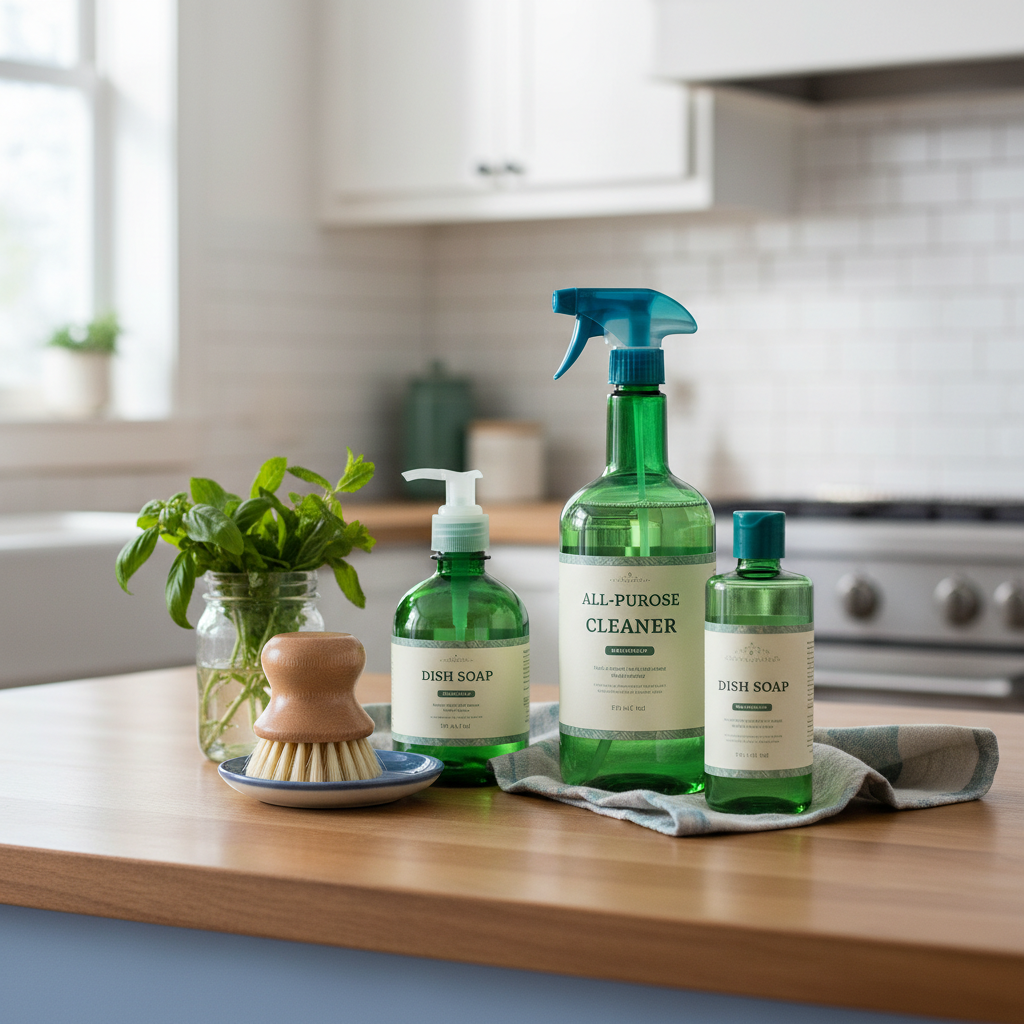
Kitchen: Dish Soap, All-Purpose, Stain Removers
The kitchen is a high-traffic area requiring powerful yet safe cleaning solutions.
- Dish Soap: Opt for gel or liquid dish soaps made with plant-derived surfactants that cut grease effectively but are gentle on hands and aquatic life. Look for certified biodegradable formulas.
- All-Purpose Cleaner: A good natural cleaning product for the kitchen often uses vinegar, baking soda, or citrus enzymes to tackle grease, grime, and food spills on countertops, stovetops, and sinks. Many are safe for food-contact surfaces.
- Stain Removers: For tough stains on countertops or cutting boards, peroxide-based or oxygen bleach cleaners are excellent non-toxic household cleaners that break down stains without harsh chemicals. Baking soda paste can also lift many common kitchen stains.
Bathroom: Toilet Cleaners, Shower Sprays, Mold Control
Bathrooms demand robust cleaning against germs, soap scum, and mold, areas where green products excel.
- Toilet Cleaners: Choose formulas utilizing citric acid, lactic acid, or plant-based enzymes to effectively clean and deodorize toilets without corrosive acids or bleach fumes.
- Shower Sprays: Daily shower sprays made with plant-derived ingredients help prevent soap scum and mildew buildup. These are typically neutral pH and safe for various surfaces like tile, grout, and glass.
- Mold Control: White vinegar (acetic acid) is a highly effective, natural mold inhibitor and killer for non-porous surfaces. For stronger issues, some eco-friendly cleaning solutions use hydrogen peroxide, which breaks down into water and oxygen.
General Cleaning: Floor Cleaners, Glass Cleaners, Dust Sprays
Maintaining general cleanliness throughout the home can also be achieved with environmentally sound choices.
- Floor Cleaners: Many sustainable home products for floors use plant-based soaps and essential oils that are safe for wood, tile, and laminate. Diluted white vinegar is also an excellent, affordable option for many floor types, leaving no sticky residue.
- Glass Cleaners: Alcohol-free, ammonia-free glass cleaners made with plant-derived ingredients or simply a mixture of vinegar and water can achieve streak-free shine on windows, mirrors, and glass tables.
- Dust Sprays: Instead of aerosol cans with chemical propellants, use pump sprays with natural ingredients like water, a touch of olive oil, and essential oils to attract dust and leave surfaces polished. Microfiber cloths also significantly reduce the need for dusting sprays.
Decoding Labels: Certifications and Ingredients to Prioritize
Navigating the world of green cleaning products requires a keen eye for labels and an understanding of what genuine eco-certifications signify. This knowledge empowers consumers to make truly informed choices.
Recognized Eco-Labels (e.g., Green Seal, Safer Choice)
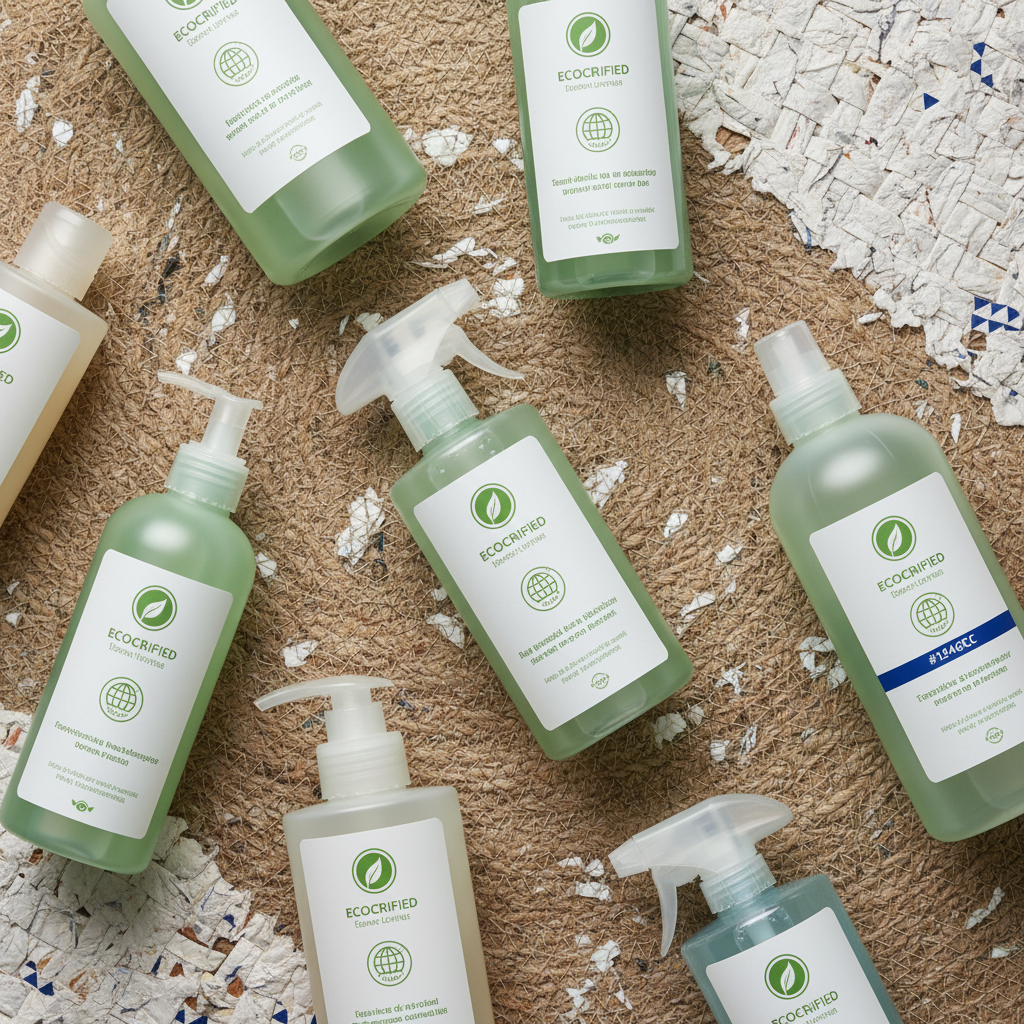
Third-party certifications are critical because they indicate that a product has been independently vetted against a set of rigorous environmental and health standards.
- Green Seal: This is one of the most respected eco-labels. Products certified by Green Seal meet strict criteria for health, environmental impact, and performance, covering everything from ingredient disclosure to packaging and product efficacy. For example, a cleaner with a Green Seal certification indicates that it is safe for use in children’s environments and is non-toxic for aquatic life.
- Safer Choice (EPA): The U.S. Environmental Protection Agency’s (EPA) Safer Choice label identifies products with ingredients that are safer for human health and the environment without sacrificing quality or performance. Over 2,900 products currently carry this label, demonstrating effective green formulators.
- ECOLOGO: Administered by UL (Underwriters Laboratories), ECOLOGO certification signifies that products meet multi-attribute, lifecycle-based sustainability standards, addressing human health and environmental impacts.
- Leaping Bunny: While not solely an environmental certification, the Leaping Bunny logo certifies that no new animal testing was used in the development of any product carrying their mark.
Understanding these labels helps you quickly identify products that meet defined sustainable home products standards.
Plant-Based Ingredients vs. Synthetic Compounds
The distinction between plant-based ingredients and synthetic compounds is fundamental to green cleaning.
- Plant-Based Ingredients: These are derived from renewable natural sources like coconut oil, palm oil (sustainably sourced), corn, soy, and citrus. Examples include decyl glucoside (a gentle surfactant), citric acid (a natural descaler), essential oils (for fragrance and antimicrobial properties), and baking soda (a mild abrasive and deodorizer). These ingredients are generally biodegradable and less likely to cause irritation or environmental harm.
- Synthetic Compounds: Traditional cleaners often rely on synthetic chemicals such as sodium lauryl sulfate (SLS), ammonia, phthalates, and chlorine bleach. While often effective, these can be harsh on the skin, toxic if ingested, release VOCs into the air, and are slow to biodegrade, leading to persistent environmental pollution. According to the Environmental Working Group (EWG), many common household cleaners contain ingredients linked to asthma, allergies, and even cancer.
Key Insight: Prioritize products that provide full ingredient transparency. If a company lists only vague terms like “non-ionic surfactants” or “fragrance,” it’s often a sign they may be hiding less desirable synthetic components.
Tips for a Greener Cleaning Routine
Adopting a greener cleaning routine extends beyond simply buying eco-friendly products; it involves a holistic approach to how you clean, what tools you use, and how you manage waste. Implementing these tips can significantly enhance your home’s sustainability.
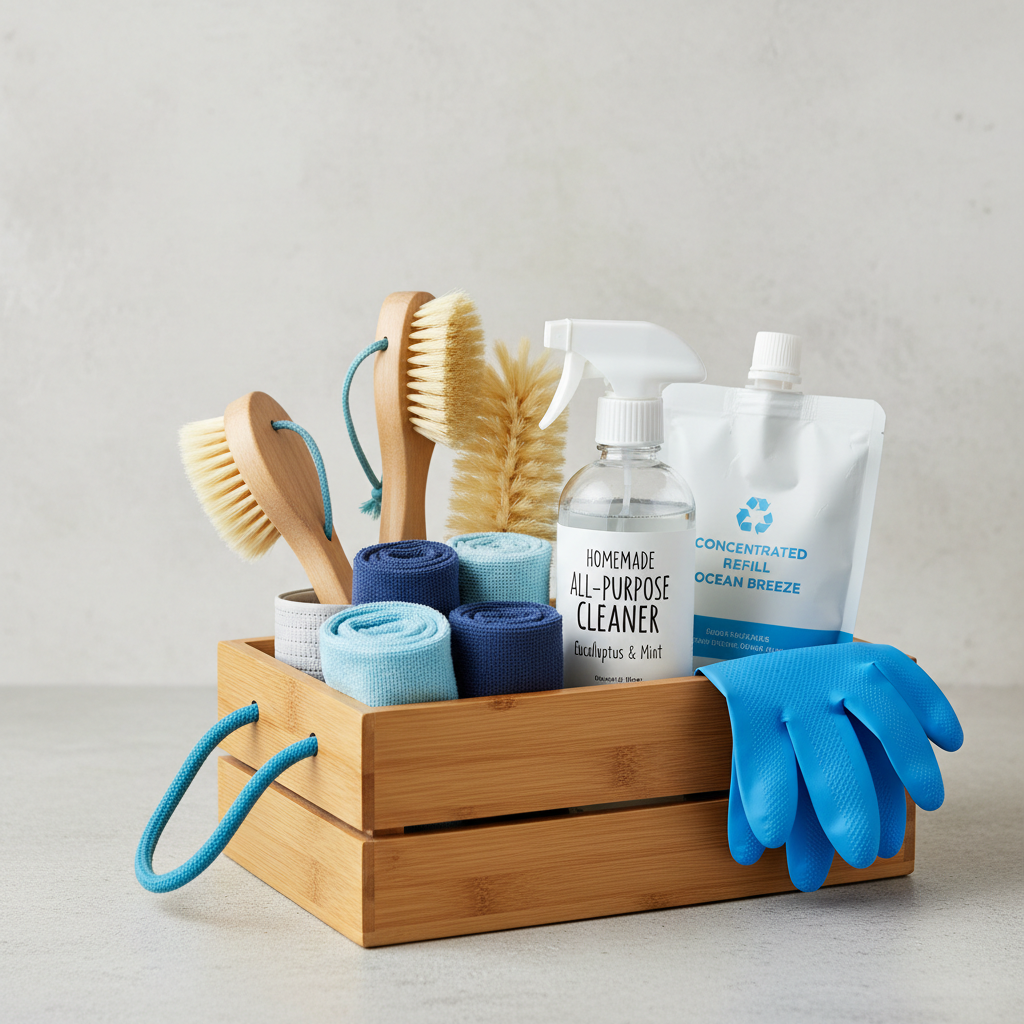
DIY Solutions, Reusable Tools, Proper Storage
- Embrace DIY Solutions: Many effective natural cleaning products can be made right at home with simple, inexpensive ingredients.
- All-Purpose Cleaner: Mix 1 part white vinegar with 1 part water and a few drops of your favorite essential oil (like lemon or tea tree) in a spray bottle. This mixture is excellent for most surfaces.
- Glass Cleaner: Combine 2 tablespoons of white vinegar with 1/2 teaspoon of dish soap and 2 cups of water.
- Scouring Paste: Mix baking soda with a little water to create a powerful yet gentle abrasive paste for sinks and tubs.
- Drain Cleaner: Pour 1/2 cup of baking soda down the drain, followed by 1/2 cup of white vinegar. Let it fizz for 30 minutes, then flush with hot water.
- Invest in Reusable Tools: Reduce waste by trading disposable items for durable, reusable alternatives.
- Microfiber Cloths: These are highly effective at trapping dust and dirt, often requiring less or no cleaning solution. Use different colors for different areas to prevent cross-contamination.
- Reusable Mop Pads: Washable mop pads replace disposable ones, saving money and reducing landfill waste.
- Scrub Brushes: Choose brushes with natural bristles and wooden handles over plastic ones.
- Refillable Bottles: Purchase eco-friendly cleaning solutions in concentrated forms or large refill containers to minimize plastic bottle consumption.
- Proper Storage and Disposal:
- Store all cleaning products, whether conventional or green, in a cool, dry place away from direct sunlight and out of reach of children and pets.
- Ensure lids are tightly sealed to prevent evaporation and maintain product efficacy.
- Properly dispose of empty containers by recycling them according to local guidelines. Even for green products, never pour unused portions down the drain, as even natural ingredients in high concentrations can impact water systems.
Cleatra’s Dedication to Green and Sustainable Cleaning
At Cleatra, our dedication to green cleaning products and sustainable practices is at the core of our service philosophy. We understand that a truly clean space goes beyond visible sparkle; it means ensuring the health of our clients and the well-being of our environment. That’s why we meticulously select non-toxic household cleaners that are both highly effective and environmentally responsible for all our home and office cleaning services in Singapore.
We prioritize using products that carry recognized eco-labels and feature plant-derived ingredients, significantly reducing chemical exposure for families, pets, and our cleaning professionals. Our commitment extends to minimizing waste, opting for concentrated solutions and reusable tools whenever possible. By choosing Cleatra, you’re not just getting a spotless home or office; you’re supporting a business that actively contributes to a healthier, greener future through thoughtful and sustainable cleaning practices. We believe in providing convenience and affordability without compromising on our environmental integrity.
Frequently Asked Questions
Are green cleaning products as effective as traditional ones?
Yes, many green cleaning products are just as effective, if not more so, than traditional cleaners. Advances in natural ingredient science have led to powerful formulations that can tackle grease, grime, and germs without harsh chemicals, often utilizing enzymes, plant-based surfactants, and natural acids for superior results.
What ingredients should I avoid in cleaning products?
You should generally avoid ingredients such as chlorine bleach, ammonia, phthalates, parabens, synthetic fragrances, phosphates, and strong volatile organic compounds (VOCs). These can be harmful to human health and disruptive to ecosystems.
How can I tell if a cleaning product is truly eco-friendly?
Look for third-party certifications like Green Seal, Safer Choice (EPA), or ECOLOGO. These labels indicate that a product has met rigorous environmental and health standards. Also, check the ingredient list for transparency, prioritizing plant-derived components over vague chemical terms.
Are DIY cleaning solutions truly safe and effective?
Yes, many DIY cleaning solutions using common household ingredients like white vinegar, baking soda, lemon juice, and essential oils are highly effective for various cleaning tasks and are generally very safe. However, always test them on an inconspicuous area first, especially on delicate surfaces.
Do green cleaning products cost more?
While some premium eco-friendly cleaning solutions might have a slightly higher upfront cost, many are available at comparable prices to traditional cleaners. Furthermore, concentrated formulas often last longer, and DIY options are significantly more cost-effective in the long run, saving you money while being better for the environment.
Can green cleaning products help with allergies or asthma?
Absolutely. By eliminating harsh chemicals, synthetic fragrances, and VOCs found in conventional cleaners, non-toxic household cleaners can significantly improve indoor air quality, which is crucial for individuals suffering from allergies, asthma, or chemical sensitivities.
Conclusion
Embracing green cleaning products is a powerful yet simple step towards fostering a healthier home environment and contributing to a more sustainable planet. By understanding what makes a product genuinely eco-friendly, prioritizing natural ingredients and certified labels, and adopting greener cleaning habits, you can effectively clean your living spaces without compromising your health or the Earth’s well-being. The shift to mindful cleaning creates immediate benefits, from improved indoor air quality to reduced exposure to harmful chemicals, and supports a future where cleanliness and sustainability go hand in hand. Making this conscious choice helps build a brighter, cleaner, and ultimately, greener future, starting right in your own home.