Home Sanitation Singapore: The Essential Guide to a Germ-Free Space
Home sanitation Singapore is crucial for maintaining a healthy living environment, proactively eliminating harmful pathogens, and ensuring a germ-free space for your family. This guide explores the essential aspects of keeping your home hygienically clean, from DIY practices to professional sanitising services.
Quick Answer:
- Home sanitation effectively removes germs, bacteria, and viruses from surfaces and air.
- It goes beyond basic cleaning to include disinfection and sanitisation for pathogen reduction.
- Key areas for attention include high-touch surfaces, kitchens, bathrooms, and air ducts.
- Professional services offer specialized equipment and expertise for deep and thorough sanitation.
- Regular sanitation significantly reduces the risk of illness and improves indoor air quality.
Table of Contents
- Why Home Sanitation Matters More Than Ever
- Understanding the Difference: Cleaning, Disinfecting, and Sanitising
- Key Areas in Your Home That Need Regular Sanitation
- DIY Home Sanitation: Essential Tools & Practices
- Beyond the Surface: Addressing Hidden Germ Hotspots
- Benefits of Professional Home Sanitation Services
- Cleatra’s Comprehensive Sanitation Process
- Products and Technologies Used for Effective Germ Elimination
- Health Benefits of a Sanitised Home
- Maintaining a Germ-Free Environment Between Professional Cleans
- Frequently Asked Questions
- Conclusion
Why Home Sanitation Matters More Than Ever
Home sanitation Singapore is more critical than ever due to increased awareness of germ transmission and the prevalence of airborne pathogens. A truly clean home extends beyond visible neatness to actively reduce the presence of disease-causing microorganisms. This emphasis on deeper cleanliness helps protect residents from common illnesses, especially in densely populated urban environments where germs can spread quickly. According to the National Environment Agency (NEA) Singapore, maintaining proper hygiene in living spaces is a key preventative measure against infectious diseases.
Understanding the Difference: Cleaning, Disinfecting, and Sanitising
Understanding the distinct roles of cleaning, disinfecting, and sanitising is fundamental to effective home hygiene. While often used interchangeably, these terms refer to different levels of germ removal and inactivation.
- Cleaning is the physical removal of dirt, debris, and some germs from surfaces, typically using soap and water. It makes surfaces look clean and removes a portion of pathogens by washing them away.
- Disinfecting uses chemical products to kill nearly all germs on a surface, significantly reducing the risk of infection. Disinfectants are regulated by health authorities and require specific contact times to be effective, often used on high-touch surfaces.
- Sanitising reduces the number of germs on surfaces to a safe level, as judged by public health standards. It is often a combination of cleaning and disinfecting, effectively lowering germ counts without necessarily killing all pathogens.
| Feature | Cleaning | Disinfecting | Sanitising |
|---|---|---|---|
| Primary Action | Removes dirt and some germs | Kills almost all germs | Reduces germs to safe levels |
| Tools/Products | Soap, water, all-purpose cleaners | Bleach, alcohol, quaternary ammonium | Sanitizers, often combined cleaning/disinfecting |
| Effectiveness | Reduces germs, improves appearance | Kills 99.9% of specified pathogens | Reduces bacterial count by at least 99.9% |
| Goal | Visual cleanliness, general hygiene | Prevent spread of illness | Food safety, general public health standards |
| Required Contact | Immediate | Specified dwell time (e.g., 5-10 min) | Specified dwell time or immediate (some products) |
Key Insight: While cleaning addresses visible dirt, true home sanitation requires understanding when and how to apply disinfecting agents and sanitisation methods to tackle unseen microbial threats effectively.
Key Areas in Your Home That Need Regular Sanitation
Certain areas in your home are naturally higher traffic zones for germs and require more frequent and thorough sanitation. Focusing on these hotspots ensures a more effective overall hygiene strategy for your living space.
- Kitchens: This includes countertops, sinks, cutting boards, appliance handles (refrigerator, microwave, oven), and plumbing fixtures. Raw food preparation often introduces bacteria like Salmonella and E. coli, necessitating regular disinfection.
- Bathrooms: Toilets, faucets, sinks, shower handles, and light switches are prime locations for bacteria and mold growth. Regular sanitising services for these areas are crucial to prevent the spread of germs.
- High-Touch Surfaces: Door handles, light switches, remote controls, mobile phones, computer keyboards, and frequently used furniture are constantly touched by multiple hands. These surfaces act as direct transfer points for viruses and bacteria.
- Flooring: Especially in entryways, kitchens, and bathrooms, floors accumulate dirt, dust, and microorganisms from shoes and spills. Regular deep cleaning and sanitisation of hard floors and carpets are vital.
- Children’s Play Areas: Toys, playmats, and surfaces in children’s rooms require special attention due to young children’s developing immune systems and tendency to put objects in their mouths.
DIY Home Sanitation: Essential Tools & Practices
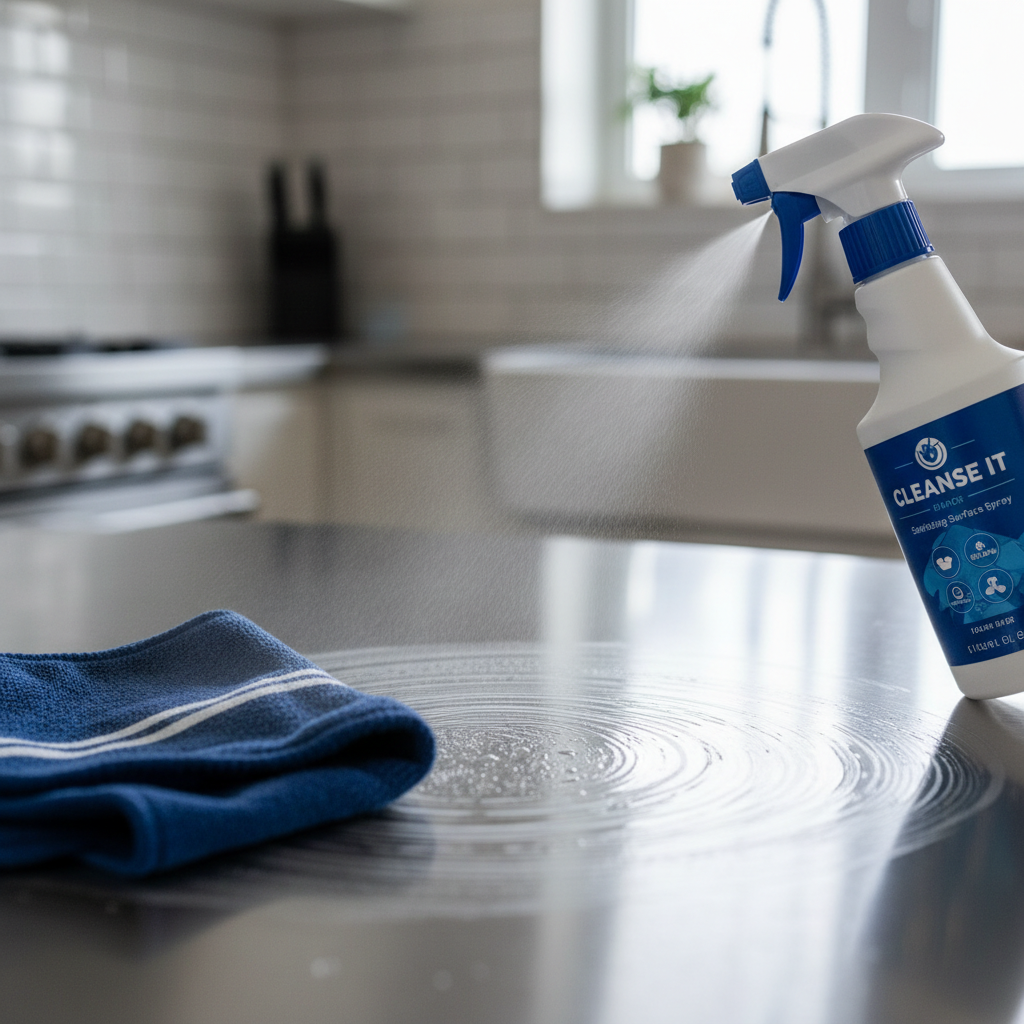
Effective DIY home sanitation involves utilizing the right tools and consistently applying best practices to reduce germ loads. Equip your home with appropriate cleaning agents and establish a routine for tackling common germ hotspots.
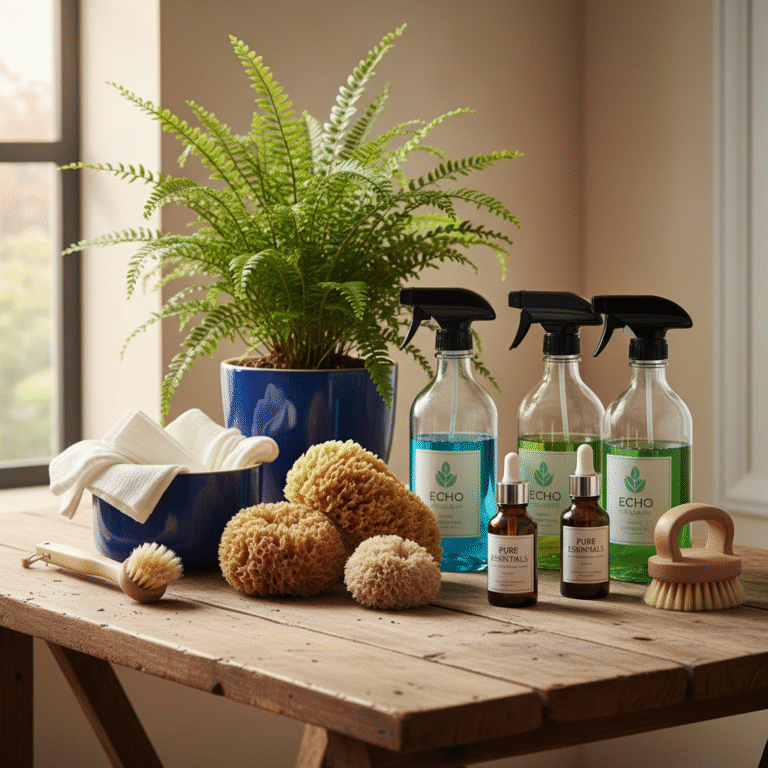
- Materials: Stock up on microfiber cloths, sponges, scrub brushes, rubber gloves, and buckets. Microfiber is highly effective for trapping dust and dirt.
- Cleaners: Use an all-purpose cleaner for daily wiping, and keep separate disinfectants and sanitizers for specific germ-prone areas like bathrooms and kitchens. Always read product labels for proper usage and contact times.
- Vacuuming: Regular vacuuming with a HEPA (High-Efficiency Particulate Air) filter vacuum cleaner can significantly reduce dust, allergens, and airborne germ particles from carpets and upholstery. Aim for at least twice a week.
- Wiping Down Surfaces: Daily wipe-downs of kitchen counters, bathroom vanities, and high-touch surfaces with a cleaning solution or sanitizing wipe are essential. Remember to let disinfectants sit for the recommended contact time.
- Laundry Care: Wash bedding, towels, and clothing regularly in hot water (if fabric allows) to kill germs. Use appropriate detergents and consider adding a laundry sanitiser for extra protection.
Beyond the Surface: Addressing Hidden Germ Hotspots
Many areas in a home harbor germs that are not immediately visible, requiring a deeper approach than just surface cleaning. Addressing these hidden hotspots is crucial for truly effective airborne germ removal and overall professional home hygiene.
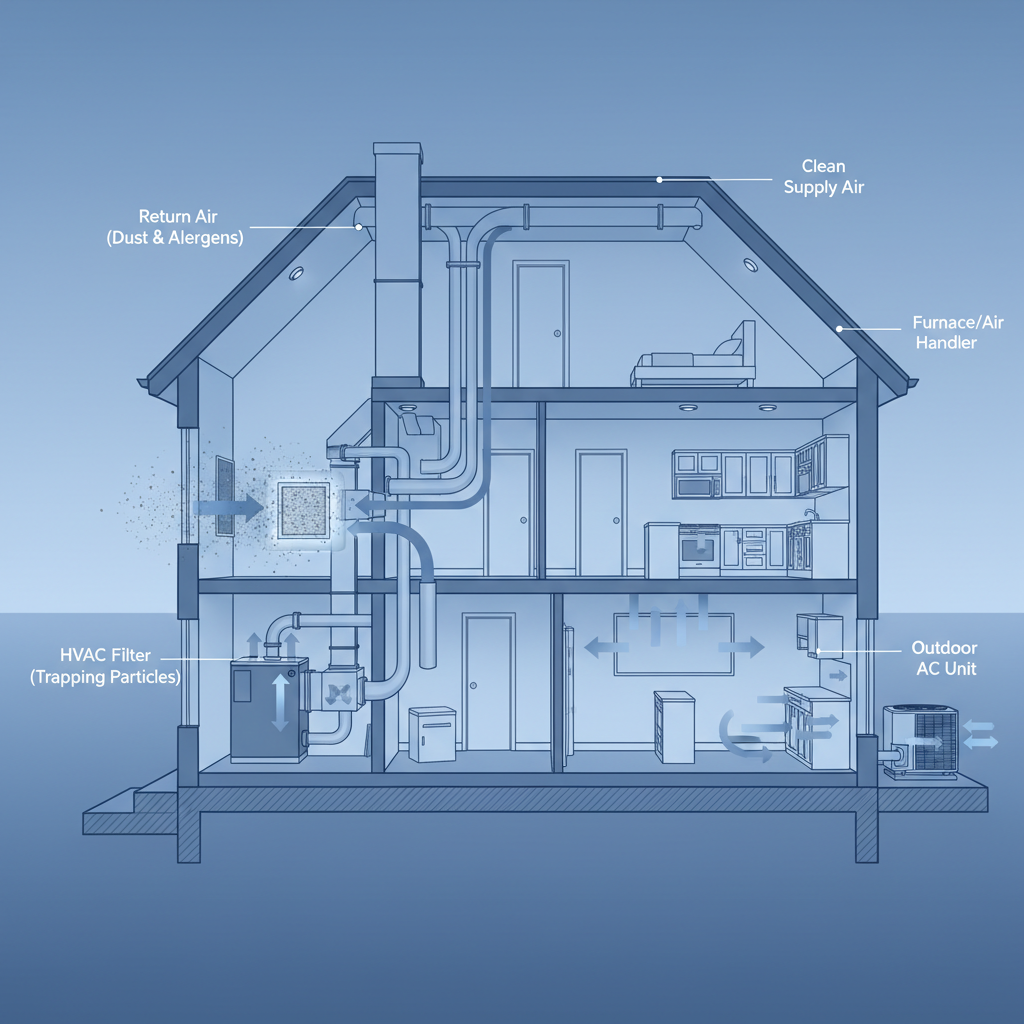
- Air Ducts and Vents: HVAC systems can circulate dust, allergens, mold spores, and bacteria throughout your home. Regular professional cleaning of air ducts improves indoor air quality and removes accumulated pathogens.
- Upholstery and Carpets: Fabric surfaces act as filters, trapping dust mites, pet dander, pollen, and microorganisms. Regular deep cleaning, such as steam cleaning for upholstery and professional carpet cleaning, is necessary to extract these embedded contaminants.
- Under Sinks and Behind Appliances: These damp, dark areas can become breeding grounds for mold and mildew. Regular inspection and cleaning, especially for leaks, are important.
- Waste Bins: Liners help, but bins themselves should be regularly cleaned and disinfected, as they inevitably come into contact with various forms of waste.
- Inside Appliances: Dishwashers, washing machines, and refrigerators can accumulate bacteria and fungi. Running self-cleaning cycles or manually cleaning with appropriate solutions helps maintain their hygiene.
Benefits of Professional Home Sanitation Services
Engaging professional sanitising services Singapore provides a level of cleanliness and germ eradication that often surpasses DIY efforts. These services offer specialized knowledge, equipment, and efficiency.
- Deep Cleanliness and Germ Elimination: Professionals use commercial-grade disinfectants and powerful equipment (e.g., foggers, steam cleaners) that can reach and eliminate germs in hard-to-access areas. This ensures a much higher rate of pathogen reduction compared to standard cleaning.
- Improved Indoor Air Quality: Professional services often include airborne germ removal techniques, such as air purification and HVAC system cleaning. This reduces airborne allergens, dust, and microbes, leading to healthier air.
- Time and Effort Savings: Outsourcing sanitation frees up valuable time and eliminates the physical strain of deep cleaning, allowing you to focus on other priorities.
- Expert Knowledge: Professional cleaners are trained in proper cleaning protocols, understanding dwell times for disinfectants, and selecting the most effective and safe products for different surfaces.
- Reduced Risk of Illness: By significantly reducing the presence of bacteria, viruses, and allergens, professional home hygiene services contribute directly to a healthier home environment and lower instances of illness.
Cleatra’s Comprehensive Sanitation Process
Cleatra Pte Ltd employs a thorough and systematic process for professional home sanitation, ensuring every corner of your Singapore home receives meticulous care. This structured approach guarantees efficiency and comprehensive germ elimination.
- Initial Assessment: Our team begins with an inspection to identify high-traffic areas, specific concerns (e.g., mold, pet dander), and the types of surfaces requiring treatment. This allows for a tailored sanitation plan.
- Pre-Cleaning: General cleaning is performed first to remove visible dirt, dust, and debris from all surfaces. This step is crucial as disinfectants are most effective on clean surfaces.
- Targeted Disinfection: Using NEA-approved, hospital-grade disinfectants, our trained technicians apply solutions to all high-touch surfaces, bathrooms, kitchens, and other identified germ hotspots. We ensure proper dwell times for maximum efficacy.
- Specialized Treatments: Depending on the service package, this may include steam cleaning carpets and upholstery, airborne germ removal using electrostatic spraying or fogging, and duct cleaning.
- Sanitisation of Fixtures and Appliances: All light fixtures, switches, door handles, and exteriors of appliances are sanitised to minimize germ transfer points.
- Final Review: A quality check ensures that all areas have been thoroughly treated, and surfaces are left clean, disinfected, and safe.
Products and Technologies Used for Effective Germ Elimination
Professional home sanitation relies on advanced products and technologies that provide superior germ elimination compared to typical household cleaners. Cleatra utilizes industry-leading solutions for comprehensive deep cleaning and disinfection.
- Hospital-Grade Disinfectants: These powerful cleaning agents are effective against a broad spectrum of pathogens, including bacteria, viruses, and fungi. They meet stringent health standards for killing germs on hard, non-porous surfaces.
- Microfiber Technology: High-quality microfiber cloths are used for wiping surfaces, as they effectively capture and hold dirt, dust, and microscopic particles, preventing their re-distribution.
- Steam Cleaners: High-temperature steam is a chemical-free method for killing germs, mold, and dust mites on various surfaces, including tiles, grout, and some upholstery. It’s particularly effective for deep cleaning and sanitisation.
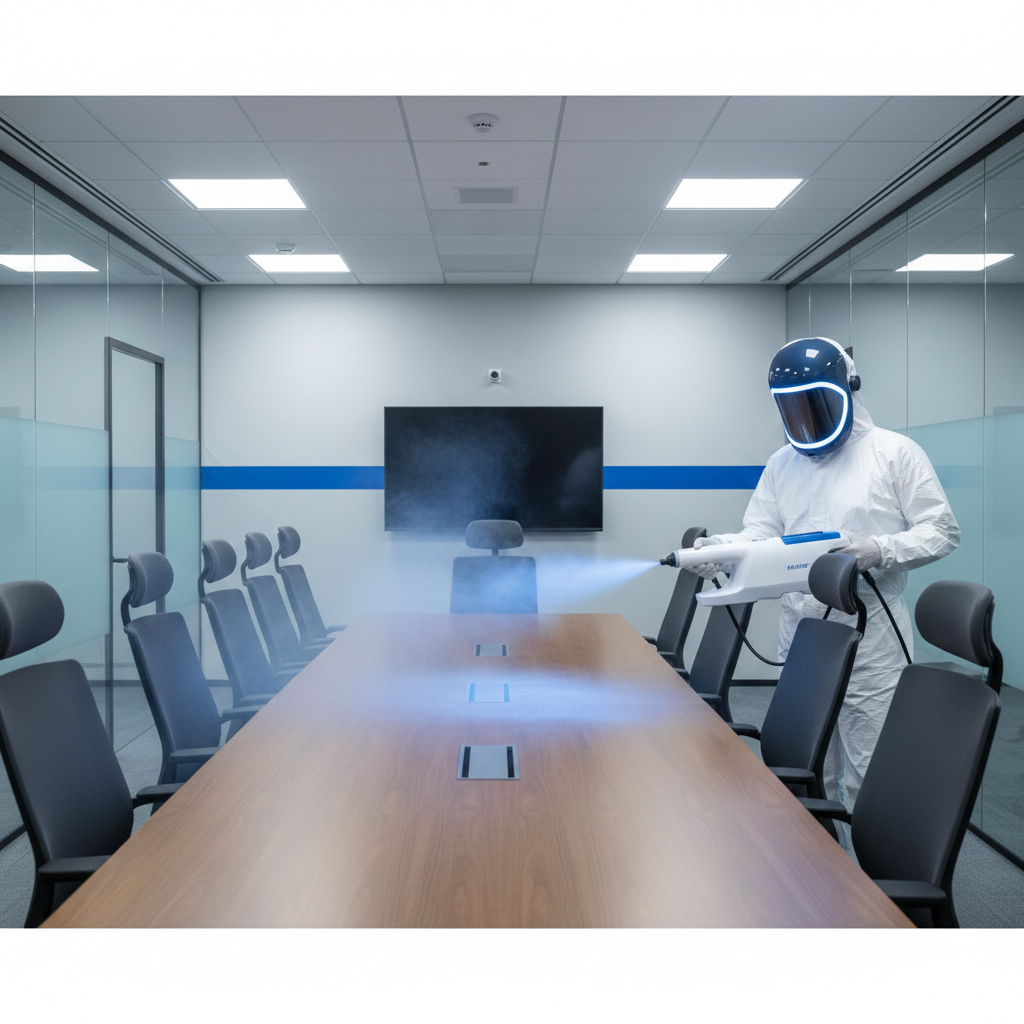
- Electrostatic Sprayers/Foggers: These devices create a fine mist of disinfectant that electrically adheres to surfaces, providing comprehensive and even coverage, even in hard-to-reach areas. This technology is highly efficient for airborne germ removal and large-scale disinfection.
- HEPA Filters: Used in professional-grade vacuums and air purifiers, HEPA filters capture 99.97% of airborne particles as small as 0.3 microns, including dust, pollen, pet dander, and many microbial particles, significantly improving indoor air quality.
Key Insight: The combination of powerful, regulated disinfectants and advanced application technologies like electrostatic spraying is what sets professional sanitising services apart in their ability to achieve a truly germ-free environment.
Health Benefits of a Sanitised Home
A thoroughly sanitised home offers numerous health benefits that contribute significantly to the well-being of its occupants. This is a primary outcome of effective professional home hygiene.
- Reduced Risk of Illness: The most direct benefit is the significant reduction in exposure to common pathogens, including cold and flu viruses, bacteria like E. coli and Salmonella, and other infectious agents. This translates to fewer sick days and overall better health.
- Allergy and Asthma Relief: Airborne germ removal and thorough cleaning of dust, dust mites, pet dander, and mold spores greatly reduce common triggers for allergies and asthma sufferers. A cleaner environment means fewer respiratory irritants.
- Improved Mental Well-being: A clean and germ-free space can reduce stress and anxiety, fostering a sense of calm and control. The mental burden of worrying about germs is lessened.
- Protection for Vulnerable Individuals: For homes with young children, elderly family members, or those with compromised immune systems, a professionally sanitised environment provides critical protection against serious health risks.
- Better Odor Control: A truly clean home without lingering bacteria or mold will naturally smell fresher and cleaner. This contributes to a pleasant living atmosphere.
Maintaining a Germ-Free Environment Between Professional Cleans
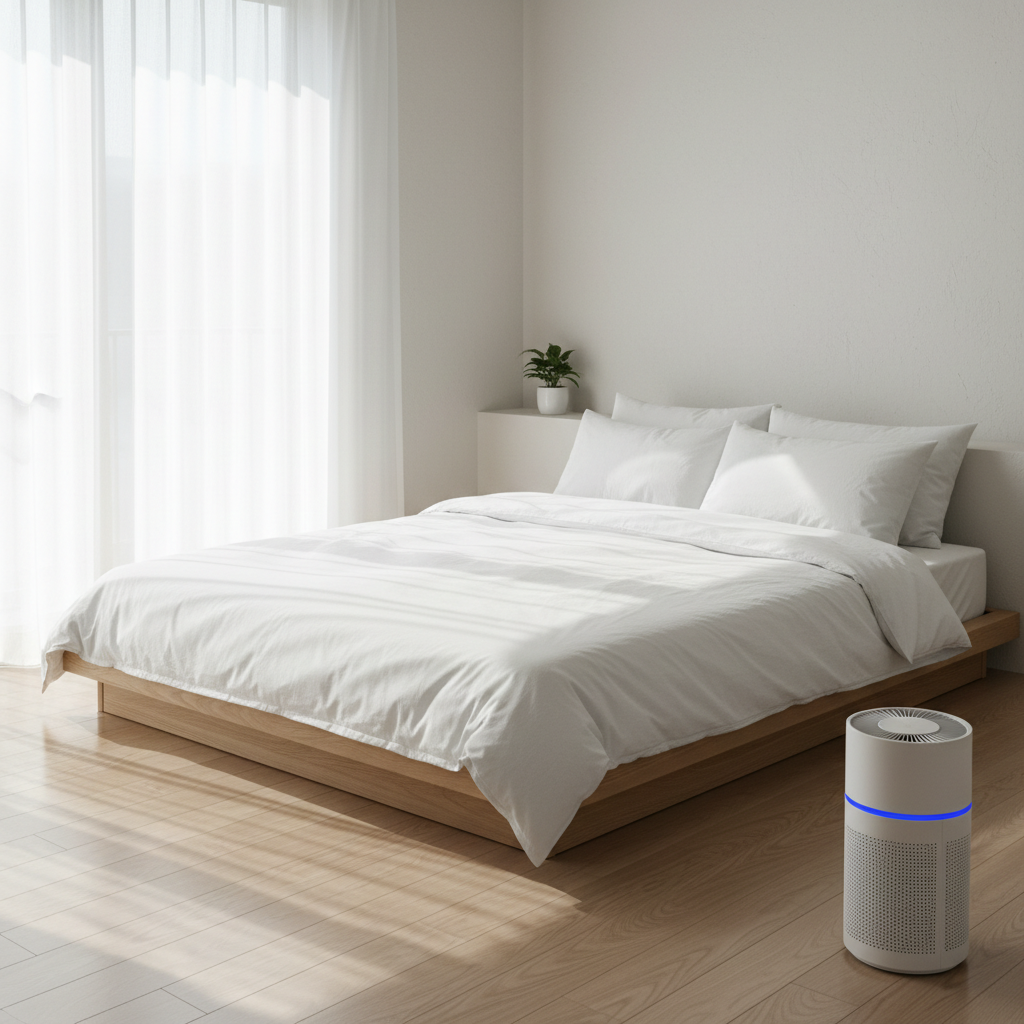
While professional home sanitation Singapore provides a deep clean, maintaining that germ-free environment between visits requires consistent daily and weekly practices. Integrating these tips into your routine will sustain higher hygiene levels.
- Daily Wipe-Downs: Regularly wipe down kitchen counters, stovetops, and bathroom sinks with an all-purpose cleaner or sanitising wipe. Pay special attention to high-touch surfaces like door handles and light switches.
- Vacuum Frequently: Vacuum carpets and rugs at least 2-3 times a week, especially in high-traffic areas, to remove dust, dirt, and allergens.
- Ventilation: Open windows regularly, even for a short period, to allow fresh air circulation. This helps dilute airborne contaminants and reduces humidity, which can deter mold growth.
- Address Spills Immediately: Clean up spills as soon as they happen to prevent them from becoming breeding grounds for bacteria or attracting pests.
- Laundry Routine: Wash dishcloths, sponges, and towels frequently in hot water. Change bedsheets weekly.
- Hand Hygiene: Encourage frequent hand washing with soap and water, especially after using the restroom, before eating, and after coming home.
- Designated Cleaning Cloths: Use separate cloths for different areas (e.g., kitchen, bathroom) to prevent cross-contamination. Wash and dry them thoroughly after each use.
Frequently Asked Questions
What is the difference between home cleaning and home sanitation?
Home cleaning primarily focuses on removing visible dirt, dust, and clutter, making a space look tidy. Home sanitation goes deeper, actively reducing or eliminating harmful bacteria, viruses, and other microorganisms to create a healthier, germ-free environment.
How often should I get professional home sanitation services in Singapore?
For most homes, professional home sanitation every 3 to 6 months is recommended, especially for households with children, pets, or individuals with allergies or compromised immunity. During flu seasons or outbreaks, more frequent services might be beneficial.
Are the products used for sanitising services safe for pets and children?
Reputable professional services use NEA-approved, hospital-grade disinfectants and sanitizers. These products are rigorously tested for safety, and technicians are trained to apply them following strict protocols, ensuring they are safe for homes with pets and children once dry.
Can home sanitation help with airborne germs and allergens?
Yes, professional home sanitation often includes services focused on airborne germ removal, such as air duct cleaning, HEPA vacuuming, and electrostatic fogging or spraying. These methods significantly reduce airborne pathogens, dust, pollen, and other allergens, improving indoor air quality.
What should I do to prepare my home for a sanitising service?
Before a professional sanitation service, it’s helpful to declutter surfaces, put away personal items, and ensure easy access to areas that need treatment. You might need to temporarily relocate pets or inform the service provider about any specific sensitivities.
How long does a typical home sanitation service take?
The duration of a home sanitation service depends on the size of your home, the level of cleaning required, and the specific services requested (e.g., deep cleaning, duct cleaning, upholstery sanitisation). A standard service for a HDB 4-room flat might take 3-5 hours.
Conclusion
Effective home sanitation Singapore is an indispensable aspect of maintaining a healthy and safe living environment, going far beyond mere surface cleanliness. By understanding the critical distinction between cleaning, disinfecting, and sanitising, and by addressing both visible and hidden germ hotspots, you can significantly reduce the risk of illness and improve overall well-being. While consistent DIY practices are vital, professional sanitising services offer an unparalleled level of deep cleaning, airborne germ removal, and expert protection for your home and family. Prioritizing comprehensive home hygiene ensures a truly germ-free space, fostering health and peace of mind for everyone.