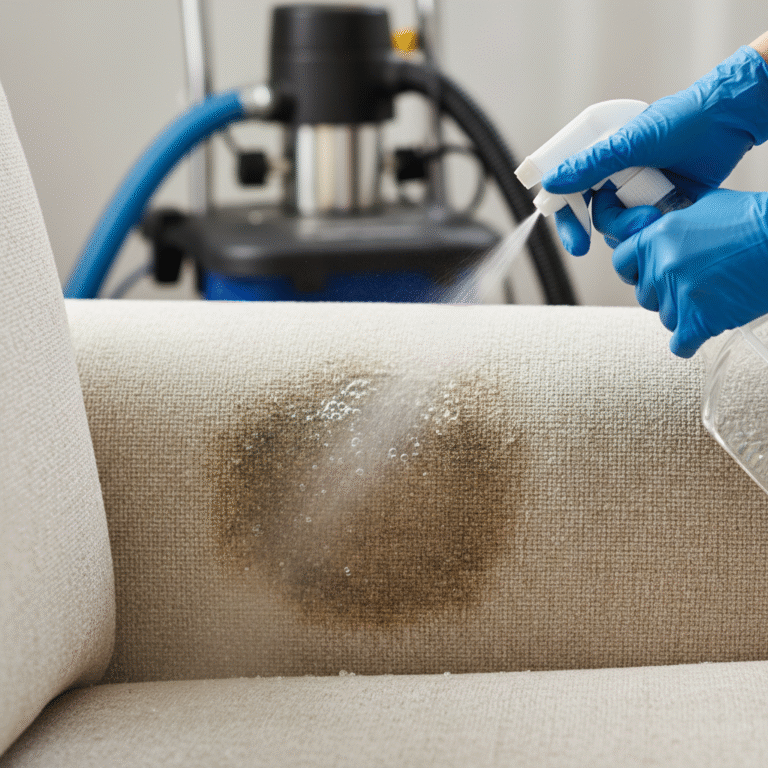
Discover the Power of Eco Cleaning Products for a Healthier Home
Eco cleaning products offer a powerful way to maintain a spotless home while safeguarding your family’s health and the environment. These innovative solutions prioritize natural ingredients and sustainable practices, moving away from harsh chemicals often found in traditional cleaners. Making the switch to eco-friendly options ensures a truly clean living space without compromise.
Quick Answer:
- Eco cleaning products are defined by natural, biodegradable, and non-toxic ingredients.
- They offer significant benefits for human health by reducing exposure to harsh chemicals and improving indoor air quality.
- Environmentally, these products lessen pollution of waterways and landfills.
- Common ingredients include natural acids, baking soda, peroxide, and plant-derived surfactants.
- Effective eco cleaners are readily available and often comparable in cost to conventional options.
Table of Contents
- What Are Eco Cleaning Products?
- Definition and Core Principles
- Benefits for Health and Environment
- Key Ingredients in Effective Eco Cleaners
- Natural Acids (Citric, Acetic)
- Baking Soda and Peroxide
- Plant-Derived Surfactants
- Why Make the Switch to Eco Products?
- Protecting Your Family from Harsh Chemicals
- Reducing Indoor Air Pollution
- Minimizing Environmental Impact (Waterways, Landfills)
- Dispelling Myths About Eco Cleaners
- Are They as Effective?
- Are They More Expensive?
- Are They Readily Available?
- Top Eco Cleaning Products for Every Area of Your Home
- All-Purpose Solutions
- Bathroom and Kitchen Specialties
- Laundry Care
- Choosing the Best Eco Cleaning Products: Tips for Consumers
- Look for Certifications
- Read Ingredient Lists
- Consider Concentrates and Refills
- Cleatra’s Commitment to Eco-Friendly Cleaning Solutions
- Frequently Asked Questions
- Conclusion
What Are Eco Cleaning Products?
Eco cleaning products, also known as natural cleaning supplies or green cleaning solutions, are formulations designed to clean effectively using ingredients derived from natural, renewable resources. These products are developed with the explicit goal of minimizing adverse effects on human health and the environment during their entire lifecycle, from production to disposal.
Definition and Core Principles
Eco cleaning products are cleaning agents that adhere to core principles of sustainability and safety. Their primary characteristics include being natural, biodegradable, and non-toxic. Natural ingredients mean they are sourced from plants or minerals rather than petroleum-based chemicals. Biodegradable refers to their ability to break down naturally in the environment without leaving harmful residues. Non-toxic ensures they do not contain chemicals known to cause harm to humans or animals through ingestion, skin contact, or inhalation. For example, a 2023 study by the Environmental Working Group (EWG) found that many conventional cleaning products contain chemicals linked to respiratory issues and skin irritation, prompting a greater interest in safer alternatives.
Benefits for Health and Environment
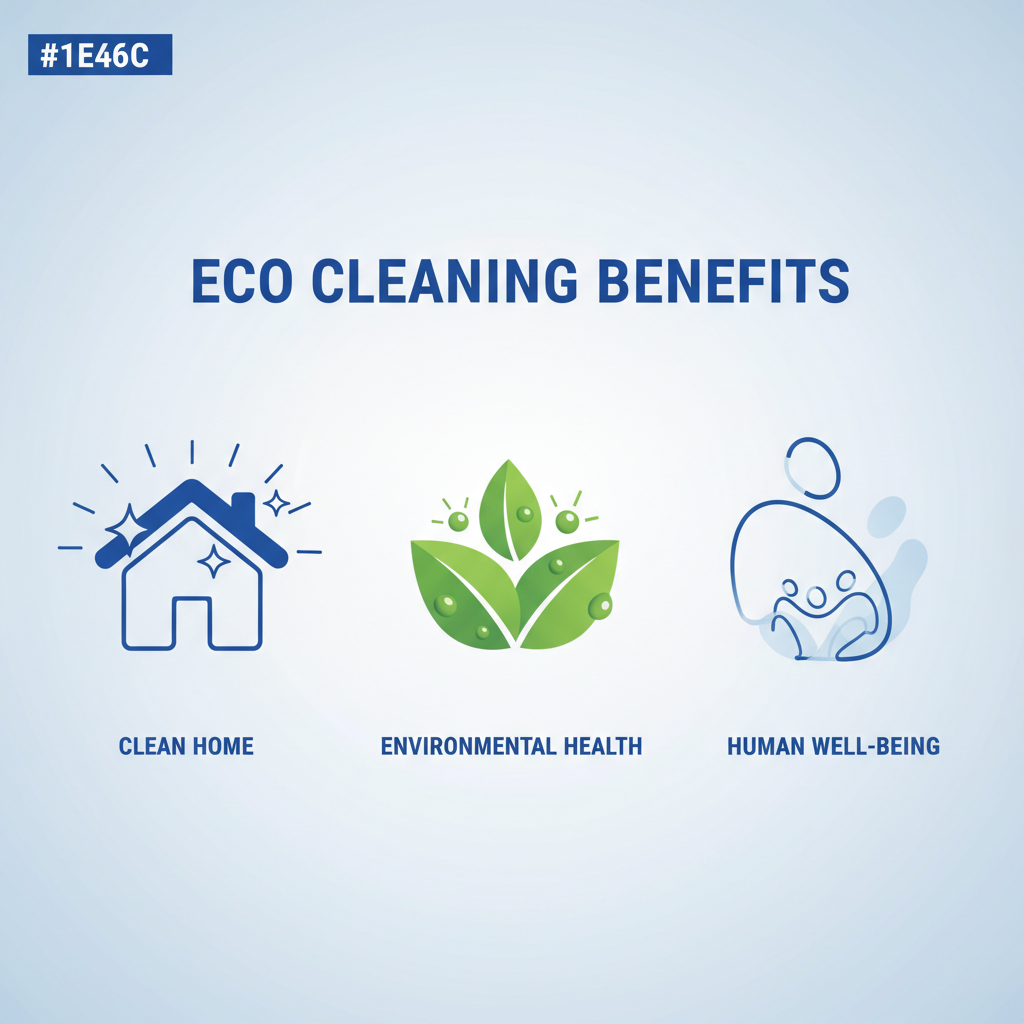
The benefits of using eco cleaning products extend significantly to both personal health and environmental well-being. For health, they reduce exposure to Volatile Organic Compounds (VOCs) and harsh chemicals like ammonia, chlorine bleach, and phthalates, which can trigger allergies, asthma, headaches, and other respiratory problems. The American Lung Association notes that cleaning products are a significant source of indoor air pollution. Environmentally, these products minimize water pollution because their ingredients are readily biodegradable and do not accumulate in aquatic ecosystems. They also reduce plastic waste through the use of concentrated formulas and refillable packaging, contributing to a more sustainable clean.
Key Insight: The shift to eco cleaning products isn’t just about labels; it represents a fundamental change in how we approach household hygiene, prioritizing long-term health and planetary impact over aggressive chemical-based solutions.
Key Ingredients in Effective Eco Cleaners
Effective eco cleaning products rely on a range of natural substances that have powerful cleaning properties without the associated risks of synthetic chemicals. These ingredients are often common household items, modified and combined for optimal performance.
Natural Acids (Citric, Acetic)
Natural acids like citric acid and acetic acid (found in white vinegar) are workhorses in eco cleaning. Citric acid, derived from citrus fruits, is excellent for dissolving mineral deposits like hard water stains and soap scum, and it also acts as a natural disinfectant. Acetic acid is highly effective at cutting grease, deodorizing, and inhibiting mold growth. For instance, a 2021 study published in the Journal of Environmental Health Perspectives highlighted the antimicrobial properties of vinegar against common household bacteria.
Baking Soda and Peroxide
Baking soda (sodium bicarbonate) is another versatile ingredient known for its abrasive yet gentle scrubbing power, deodorizing capabilities, and ability to absorb moisture. It’s safe for most surfaces and can be used as a paste to tackle tough grime. Hydrogen peroxide is a powerful oxygen-based bleaching agent and disinfectant. When used at household concentrations (typically 3%), it can effectively kill germs and brighten surfaces without the harshness of chlorine bleach, which can produce dangerous fumes when mixed with other cleaners.
Plant-Derived Surfactants
Plant-derived surfactants are the foaming and cleaning agents in many eco cleaners. Unlike petroleum-based surfactants found in conventional detergents, these are typically derived from coconut oil, palm oil (responsibly sourced), or corn. They work by breaking down the surface tension of water, allowing it to mix with oil and dirt, which can then be easily wiped away. These natural surfactants are readily biodegradable, meaning they decompose quickly and safely in the environment, largely reducing their ecological footprint.
Why Make the Switch to Eco Products?
Transitioning to eco cleaning products offers compelling advantages beyond simply achieving a clean home. It’s a proactive step towards a safer and more sustainable lifestyle.
Protecting Your Family from Harsh Chemicals
Using non-toxic cleaners is paramount for protecting your family’s health, particularly young children, pets, and individuals with chemical sensitivities. Traditional cleaning products often contain ingredients linked to a range of health issues. For example, ammonia can irritate the respiratory system, while phthalates (often used in synthetic fragrances) are endocrine disruptors. A 2020 review in Environmental Health Sciences identified numerous common cleaning product chemicals as potential allergens, asthmagens, or endocrine disruptors. By choosing eco-friendly options, you significantly reduce the risk of accidental poisoning, skin irritation, and long-term health complications associated with these harsh chemicals.
Reducing Indoor Air Pollution
Switching to eco products dramatically helps in reducing indoor air pollution. Traditional cleaners release Volatile Organic Compounds (VOCs) into the air, contributing to poor indoor air quality. VOCs can cause headaches, nausea, and long-term respiratory problems. The Environmental Protection Agency (EPA) highlights that indoor air can be two to five times more polluted than outdoor air, largely due to household chemicals. Eco cleaning products, by contrast, are formulated with natural ingredients that release minimal to no harmful VOCs, leading to fresher and safer indoor air for everyone. This promotes a healthier breathing environment, crucial for well-being.
Minimizing Environmental Impact (Waterways, Landfills)
The environmental impact of conventional cleaning products is substantial, affecting both waterways and landfills. Many synthetic ingredients in traditional cleaners are not fully removed by wastewater treatment plants, making their way into rivers, lakes, and oceans. This contributes to eutrophication (excessive nutrient enrichment causing algal blooms harmful to aquatic life) and chemical contamination. Moreover, the millions of plastic bottles used for these products contribute significantly to landfill waste, with many taking hundreds of years to decompose. Eco cleaning products, with their biodegradable ingredients and often concentrated or refillable packaging, drastically lower this environmental burden, supporting clean water ecosystems and reducing plastic pollution.
| Feature | Eco Cleaning Products | Traditional Cleaning Products |
|---|---|---|
| Ingredients | Plant-derived, mineral-based, natural acids | Petroleum-based, synthetic chemicals, strong acids/bases |
| Toxicity | Non-toxic, biodegradable, minimal VOCs | Can be toxic, non-biodegradable, high VOCs |
| Health Impact | Reduced risk of allergies, asthma, chemical sensitivities | Potential for respiratory issues, skin irritation, endocrine disruption |
| Environmental | Low water pollution, reduced plastic waste, sustainable source | High water pollution, significant plastic waste, non-renewable source |
| Fragrance | Essential oils, natural scents, unscented | Synthetic perfumes, often containing phthalates |
| Packaging | Often concentrated, refillable, recycled content | Single-use plastic, less focus on sustainability |
Dispelling Myths About Eco Cleaners
Despite their growing popularity, several misconceptions about eco cleaning products persist. Addressing these myths helps consumers make informed choices.
Are They as Effective?
A common myth is that eco cleaning products are not as effective as their conventional counterparts. This is largely untrue. Modern eco cleaning products are formulated using advanced green chemistry, incorporating natural ingredients with powerful cleaning properties. For example, natural acids like citric acid are highly effective at breaking down mineral deposits, while hydrogen peroxide is a potent disinfectant. Many leading brands of natural cleaners have undergone rigorous testing and have been certified for their efficacy, performing just as well, if not better, than traditional cleaners in removing dirt, grime, and germs. A 2022 study by Consumer Reports compared various all-purpose cleaners and found several eco-friendly options providing comparable cleaning performance to conventional brands.
Are They More Expensive?
Another prevalent misconception is that eco cleaning products are always significantly more expensive. While some specialized or boutique brands may carry a higher price tag, the market for green cleaning has expanded, leading to more competitive pricing. Many concentrated eco-friendly formulas actually offer better value in the long run because a smaller amount is needed per use, or they can be refilled, reducing packaging costs over time. For instance, purchasing a large concentrated natural all-purpose cleaner and diluting it yourself can be highly cost-effective compared to buying multiple ready-to-use conventional sprays. This means the overall cost of a sustainable clean can be comparable, and sometimes even lower, especially when factoring in the potential health savings from reduced chemical exposure.
Are They Readily Available?
The idea that eco cleaning products are difficult to find is outdated. In recent years, the market for natural cleaning supplies has exploded. They are now widely available in major supermarkets, hypermarts, health food stores, and online retailers. Most large grocery chains dedicate entire aisles or sections to green and organic household products. The increased demand from consumers has driven this widespread availability, making it easier than ever to make the switch without a special trip to a niche store. This broad accessibility means that making eco-conscious choices for your cleaning routine is convenient and straightforward.
Top Eco Cleaning Products for Every Area of Your Home
Eco-friendly alternatives are available for nearly every cleaning task, ensuring a safe and effective approach wherever you need it.
All-Purpose Solutions
An all-purpose solution is the foundation of any eco-friendly cleaning kit. These products are designed to tackle various surfaces, from countertops and floors to appliances. Many popular options use a combination of plant-derived surfactants, essential oils (for natural scent and antibacterial properties), and often a mild acid like citric acid. Look for brands that are concentrated to reduce packaging and allow for dilution, making them both economical and environmentally sound. These versatile cleaners effectively remove grease, dirt, and stains from most non-porous surfaces.
Bathroom and Kitchen Specialties
The bathroom and kitchen often require specialized cleaners due to specific challenges like soap scum, hard water stains, and grease.
- Bathroom cleaners: Eco-friendly bathroom products leverage natural acids (like lactic acid or citric acid) to dissolve mineral buildup and scour grime. Tea tree oil and eucalyptus oil are often included for their natural antimicrobial properties.
- Kitchen cleaners: For the kitchen, degreasers with plant-derived solvents (e.g., from citrus peels) are highly effective at cutting through cooking oils and food residue. Baking soda-based scrubs can tackle stubborn baked-on food without scratching surfaces. Many brands offer dedicated non-toxic cleaners safe for food-prep areas.
Laundry Care
Eco cleaning extends to your laundry room with a variety of green options.
- Laundry detergents: Eco-friendly laundry detergents utilize plant-based enzymes and surfactants to break down stains and dirt. They are often fragrance-free or scented with essential oils, avoiding the synthetic perfumes problematic for sensitive skin. They are also formulated to work effectively in cold water, saving energy.
- Fabric softeners and dryer sheets: Natural alternatives often use mineral-based softeners or plant-based conditioners, or dryer balls (wool or plastic) to reduce static and soften clothes without harsh chemicals.
Choosing the Best Eco Cleaning Products: Tips for Consumers
Navigating the array of eco cleaning products can be overwhelming, but smart choices lead to truly effective and sustainable cleaning.
Look for Certifications
One of the most reliable ways to identify genuinely eco-friendly products is by checking for reputable third-party certifications. These labels indicate that a product has met strict environmental and health standards.
- EPA Safer Choice: This U.S. Environmental Protection Agency program certifies products that contain ingredients that are safer for human health and the environment.
- EWG Verified: The Environmental Working Group’s verification means a product avoids chemicals of concern and provides full transparency of ingredients.
- Ecologo/UL Certified: These global certifications signify that products meet rigorous lifecycle-based sustainability standards.
- Green Seal: This non-profit organization certifies products and services that meet environmental leadership standards.
According to a 2024 Consumer Brands Association survey, 65% of consumers trust third-party environmental certifications more than manufacturer claims alone. These labels cut through greenwashing and assure consumers of a product’s environmental integrity.
Read Ingredient Lists
Even with certifications, it’s always wise to read ingredient lists carefully. Understanding what goes into your cleaning products empowers you to make informed decisions. Look for:
- Transparency: Brands that list all ingredients clearly without vague terms like “fragrance” (which can hide hundreds of chemicals).
- Naturally derived: Prioritize ingredients like citric acid, lactic acid, acetic acid, plant-based surfactants (e.g., decyl glucoside, coco-glucoside), essential oils, and mineral components like sodium bicarbonate.
- Avoid: Try to avoid ingredients such as phosphates, chlorine bleach, ammonia, phthalates, parabens, synthetic dyes, and artificial fragrances. Even in certified products, it’s good to be aware of what makes up the formulation.
Consider Concentrates and Refills
To maximize the environmental benefits and often save money, consider concentrates and refills.
- Concentrates: These highly potent formulas require dilution with water at home, meaning you buy less product and less packaging. A single bottle of concentrate can replace multiple ready-to-use sprays, drastically reducing plastic waste and carbon emissions from transport.
- Refills: Many brands now offer refill pouches or larger containers for their popular products. This allows you to reuse your original spray bottles or containers, cutting down on single-use plastic. Some local stores even offer bulk refill stations where you can bring your own containers. Opting for concentrates and refills is a highly effective way to contribute to a sustainable clean cycle.
Key Insight: True eco-friendliness in cleaning isn’t just about the raw ingredients; it encompasses the entire product lifecycle from sourcing and manufacturing to packaging and disposal, making certifications and transparency vital tools for consumers.

—
Cleatra’s Commitment to Eco-Friendly Cleaning Solutions
At Cleatra Pte Ltd, we understand the importance of a clean home that doesn’t compromise your health or the planet. Our commitment extends beyond just tidiness; we strive to provide professional, convenient, and affordable cleaning services in Singapore that prioritize safety and sustainability. We actively integrate eco cleaning products into our services, ensuring a truly sustainable clean for your living and working spaces.
We carefully select natural cleaning supplies that are non-toxic and highly effective, leveraging formulations that protect your family from harsh chemicals and contribute to better indoor air quality. Whether it’s for general cleaning, deep cleaning, or specialized services like post-renovation clean-ups, our choice of green cleaning solutions reflects our dedication to environmental responsibility. We believe a sparkling home can also be a healthy home, and by choosing Cleatra, you’re choosing a partner dedicated to eco-conscious practices without sacrificing efficiency or affordability.
Frequently Asked Questions
What makes a cleaning product “eco-friendly”?
A cleaning product is considered “eco-friendly” if it uses naturally derived, biodegradable, and non-toxic ingredients, minimizes packaging waste, and has a reduced environmental footprint throughout its lifecycle. It avoids harsh chemicals harmful to human health and aquatic ecosystems.
Do eco cleaning products disinfect effectively?
Yes, many eco cleaning products are effective disinfectants. Ingredients like hydrogen peroxide, citric acid, and concentrated essential oils have proven antimicrobial properties that kill germs and bacteria, providing a clean and sanitized environment without harsh chemicals.
Can I make my own eco cleaning products?
Absolutely. Many basic eco cleaning solutions can be made at home using common ingredients like white vinegar, baking soda, lemon juice, and castile soap. These DIY options are cost-effective and allow for complete control over the ingredients.
Are eco cleaning products safe for pets and children?
Yes, one of the primary benefits of eco cleaning products is their safety around pets and children. Their non-toxic formulations significantly reduce the risk of accidental poisoning, skin irritation, and respiratory issues associated with conventional chemical cleaners.
How do eco cleaning products help the environment?
Eco cleaning products help the environment by using biodegradable ingredients that don’t pollute waterways, reducing plastic waste through concentrated formulas and refill options, and lowering the carbon footprint associated with manufacturing and transport. They support a more sustainable circular economy.
Are there any certifications to look for when buying green cleaners?
Yes, look for prominent certifications such as EPA Safer Choice, EWG Verified, Green Seal, or Ecologo. These third-party certifications indicate that products meet rigorous environmental and health standards, making it easier to choose reliable green cleaning solutions.
Conclusion
Embracing eco cleaning products is more than just a trend; it’s a conscious decision to foster a healthier home environment and contribute to a more sustainable planet. By understanding what makes these products effective, dispelling common myths, and making informed choices, you can achieve a truly sparkling clean without compromising well-being. The shift to natural cleaning supplies offers tangible benefits, from protecting your family from harsh chemicals and improving indoor air quality to significantly reducing your environmental impact. It’s a proactive step towards a cleaner, greener future, proving that powerful cleaning can indeed be gentle on both people and the planet.