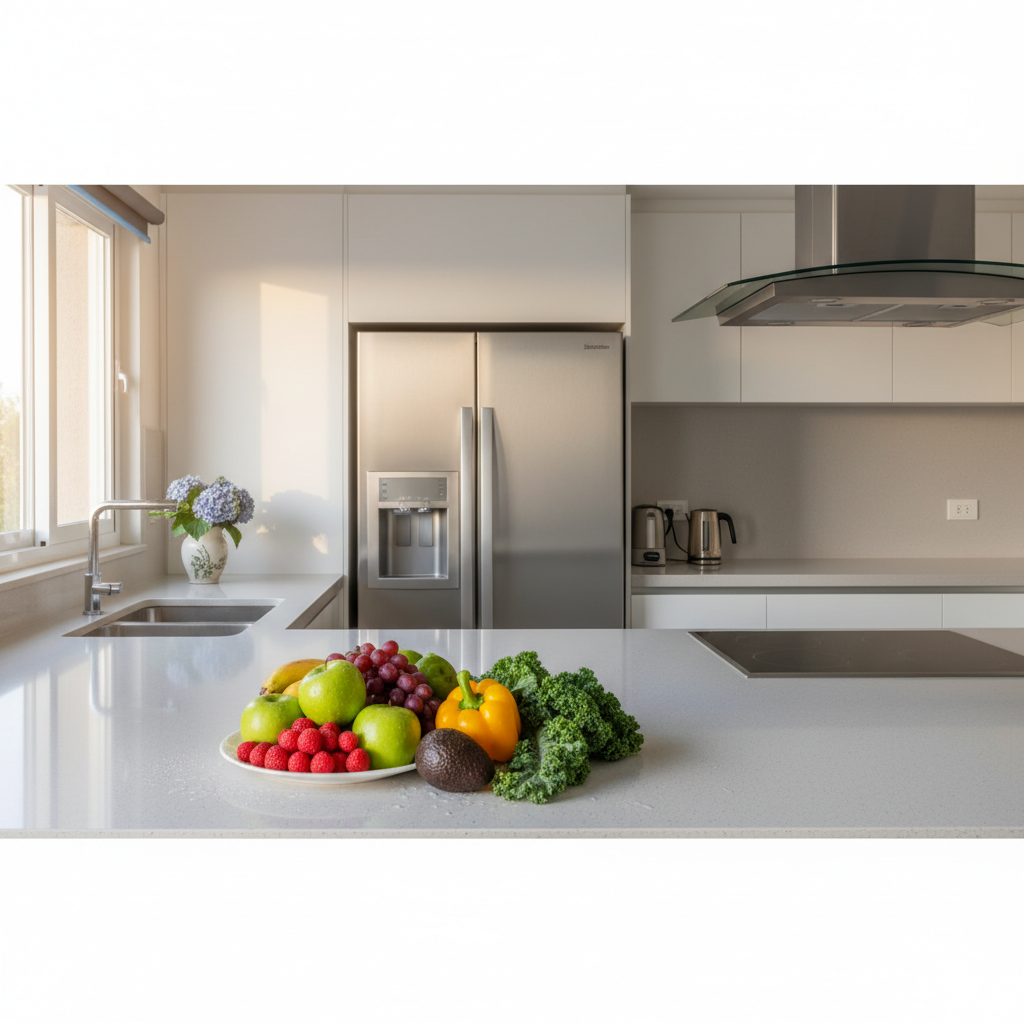
Kitchen Cleaning Singapore: Essential Tips for a Hygienic Hub
Effective kitchen cleaning in Singapore is crucial for maintaining a hygienic and healthy home environment, preventing the buildup of bacteria and ensuring food safety. A clean kitchen not only looks better but also functions more efficiently, making cooking and meal preparation a more pleasant experience for everyone. This guide provides actionable tips and strategies to transform your kitchen into a sparkling, sanitary hub.
Quick Answer:
- Implement daily habits like wiping surfaces and washing dishes immediately after use.
- Conduct weekly cleaning for floors, sinks, and appliance exteriors.
- Perform monthly deep cleans for ovens, refrigerators, and grout to tackle hidden grime.
- Address specific areas like ovens, hobs, and refrigerators with targeted cleaning techniques.
- Consider professional cleaning services for thorough, efficient maintenance.
Table of Contents
- Why a Clean Kitchen is Non-Negotiable in Singapore
- Daily Kitchen Cleaning Habits for a Hygienic Space
- Weekly Kitchen Chores: Beyond the Basics
- Monthly Deep Clean: Tackling Hidden Grime
- Expert Techniques for Oven & Hob Cleaning
- Refrigerator Cleaning: Eliminating Odours & Spills
- Effective Strategies for Grout & Tile Cleaning
- Food Safety & Sanitation Practices in the Kitchen
- Common Kitchen Cleaning Mistakes to Avoid
- When to Call the Professionals: Cleatra’s Kitchen Services
- Frequently Asked Questions
- Conclusion
Why a Clean Kitchen is Non-Negotiable in Singapore
A clean kitchen is absolutely essential in Singapore due to its tropical climate and high population density, which can accelerate bacterial growth and pest infestations if not properly managed. Regular cleaning prevents the spread of foodborne illnesses, extends the lifespan of appliances, and creates a more pleasant living environment. The National Environment Agency (NEA) regularly emphasizes the importance of hygiene to prevent public health issues.

Key Insight: Singapore’s warm, humid climate creates an ideal breeding ground for bacteria and mold. This makes consistent and thorough kitchen sanitation not just a matter of aesthetics, but a critical component of public health, directly impacting the safety of your food and the air quality in your home.
Daily Kitchen Cleaning Habits for a Hygienic Space
Implementing daily cleaning habits is the cornerstone of maintaining a consistently hygienic kitchen. These routines prevent grime and bacteria from accumulating, making larger cleaning tasks less daunting.
- Wipe Down All Surfaces: Immediately after cooking, use a damp cloth and an all-purpose cleaner to wipe down countertops, stovetops, and the sink area. This prevents food particles and spills from drying and becoming harder to remove.
- Wash Dishes Promptly: Do not leave dirty dishes in the sink overnight. Washing them immediately or loading them into a dishwasher prevents food residue from hardening and reduces attraction for pests.
- Empty Rubbish Bins: Remove kitchen waste daily, especially if it contains food scraps. This minimizes odors and discourages pests like cockroaches and ants, common household nuisances in Singapore.
- Clean the Sink: Rinse the sink thoroughly after each use and wipe it dry. This prevents water spots and inhibits mold growth in damp areas.
Weekly Kitchen Chores: Beyond the Basics
Weekly kitchen chores go deeper than daily maintenance, addressing areas that require more attention but might not need daily care. These tasks ensure that your kitchen remains thoroughly clean and sanitary.
- Clean the Sink and Faucet: Disinfect the sink using a sanitizing spray or a mixture of white vinegar and baking soda to remove built-up grime and bacteria. Pay attention to the faucet and handles where germs tend to accumulate.
- Mop and Disinfect Floors: Sweep or vacuum the kitchen floor to remove loose debris, then mop with a suitable floor cleaner. This removes tracked-in dirt and spills that daily spot cleaning might miss.
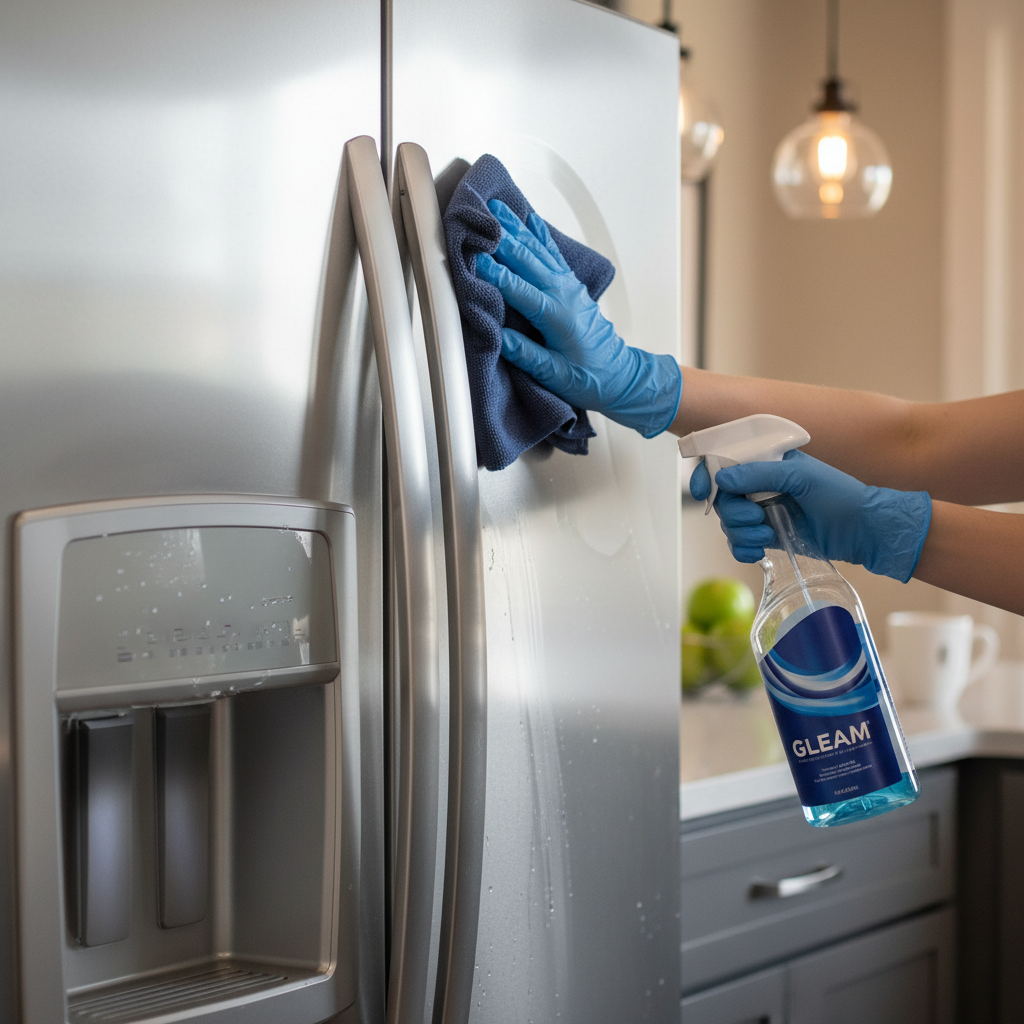
- Wipe Down Appliance Exteriors: Clean the outside surfaces of major appliances such as the refrigerator, dishwasher, microwave, and oven. Use a microfiber cloth with an appropriate cleaner to remove fingerprints, splatters, and dust.
- Clean Microwave Interior: Wipe down the inside of the microwave to remove food splatters. For stubborn stains, microwave a bowl of water with lemon slices for a few minutes, which loosens dried food and facilitates easy wiping.
- Empty and Clean Rubbish Bins: After emptying, wipe down the inside and outside of your rubbish bins with a disinfectant cleaner. This eliminates odors and prevents germ buildup.
Monthly Deep Clean: Tackling Hidden Grime
A monthly kitchen deep clean targets those neglected areas and built-up grime that daily and weekly cleaning might miss. This thorough cleaning regimen is vital for long-term hygiene and functionality.
- Oven Cleaning: Address accumulated grease and baked-on food inside the oven. Use a commercial oven cleaner or a paste of baking soda and water, allowing it to sit overnight before scrubbing.
- Refrigerator Purge and Clean: Empty your refrigerator, discard expired or spoiled food, and wipe down all shelves, drawers, and interior surfaces. This also helps in efficient energy use.
- Dishwasher Maintenance: Run an empty cycle with a dishwasher cleaner or a cup of white vinegar to remove mineral deposits and food residues, which can affect its performance and cleanliness.
- Cabinet and Drawer Wipe Down: Empty and wipe down the insides and outsides of kitchen cabinets and drawers. This removes dust, crumbs, and any accidental spills.
- Descaling Kettles and Coffee Machines: Use descaling solutions or a vinegar-water mix to remove mineral buildup from appliances that heat water. This improves their efficiency and taste of beverages.
| Cleaning Frequency | Task | Key Benefit | Recommended Products |
|---|---|---|---|
| Daily | Surface Wiping, Dishwashing | Prevents food buildup, reduces pests | All-purpose cleaner, dish soap |
| Weekly | Floor Mopping, Appliance Exteriors | Removes tracked-in dirt, polishes surfaces | Floor cleaner, glass cleaner |
| Monthly | Oven/Fridge Deep Clean, Grout Scrub | Eliminates hidden grime, extends appliance life | Oven cleaner, baking soda, vinegar |
Expert Techniques for Oven & Hob Cleaning
Oven cleaning in Singapore kitchens is often overlooked due to the effort involved, but tackling baked-on food and grease removal kitchen is essential for hygiene and appliance longevity. Hobs also accumulate significant grease.
- For Ovens:
- Self-Cleaning Ovens: If your oven has a self-cleaning function, follow the manufacturer’s instructions. Be aware that this process can produce smoke and strong odors.
- Manual Cleaning (Baking Soda Method): Remove oven racks. In a small bowl, mix ½ cup of baking soda with a few tablespoons of water to form a paste. Spread this paste all over the interior surfaces of the oven, avoiding heating elements. Let it sit for at least 12 hours, or overnight.
- Scrub and Wipe: After the sitting period, spray the dried baking soda with white vinegar (this will create a fizzing reaction) and then scrub with a damp cloth or non-scratch scourer. Wipe away all residue. For stubborn spots, consider a natural scour stone.
- For Hobs (Stovetops):
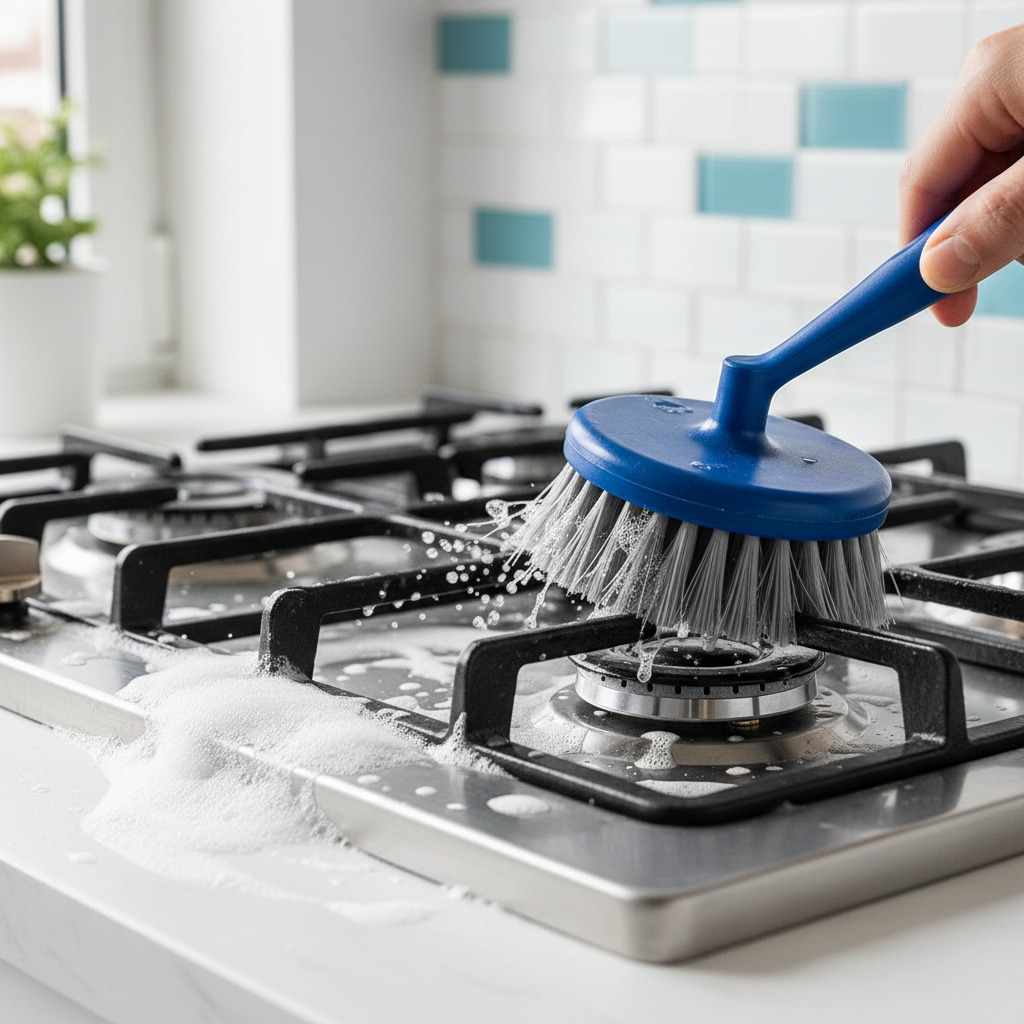
- Gas Hobs: Remove grates and burner caps. Wash them in hot, soapy water, or soak really greasy ones in a mixture of hot water and dish soap, adding a splash of vinegar. For the stovetop surface, use a degreaser spray or a mixture of baking soda and a little water to form a paste. Allow it to sit, then scrub and wipe. Use a toothbrush for crevices.
- Induction/Ceramic Hobs: These require gentler care. Allow the hob to cool completely. Use a ceramic hob cleaner or a paste of baking soda and water. Apply with a soft cloth, let it sit for a few minutes, then gently scrape off burnt-on food with a specific hob scraper. Wipe clean with a damp cloth.
- For Both: Always ensure surfaces are dry before reassembling parts or using the appliance. Consistent wiping after each use significantly reduces the need for intense deep cleaning.
Refrigerator Cleaning: Eliminating Odours & Spills
A clean refrigerator is vital for food safety and preventing unwanted odours. Regular refrigerator cleaning keeps your perishables fresh and extends their shelf life.
- Empty Completely: Start by removing everything from the refrigerator and freezer compartments. Discard any expired food, wilting produce, or questionable leftovers.
- Remove Shelves and Drawers: Take out all removable shelves, bins, and drawers. Wash these in warm, soapy water in the sink. For stubborn stains, use a baking soda paste.
- Wipe Interior Surfaces: Use a solution of warm water mixed with a few tablespoons of white vinegar or baking soda to wipe down all interior surfaces. Pay attention to corners and rubber seals where crumbs and grime can accumulate. A toothbrush can help with tight spots.
- Tackle Odours: For persistent odours, place an open box of baking soda or a bowl of activated charcoal in the refrigerator after cleaning. These are excellent natural odor absorbers.
- Clean Exterior: Wipe down the outside of the refrigerator, including handles and gaskets, with an all-purpose cleaner. For stainless steel, use a specialized stainless steel cleaner for a streak-free shine.
- Organise and Restock: Before returning items, check expiration dates again. Store food in airtight containers to prevent spills and cross-contamination.
Key Insight: Refrigerators are often overlooked as potential breeding grounds for bacteria. Regular deep cleaning, coupled with proper food storage practices, not only eliminates unpleasant odors but also significantly reduces the risk of foodborne illnesses, which is paramount in Singapore’s climate.
Effective Strategies for Grout & Tile Cleaning
Grout and tile cleaning in the kitchen is essential for appearance and hygiene, especially in humid environments where mold can thrive. Stained grout can make an otherwise clean kitchen look dirty.
- Initial Sweep/Vacuum: Remove loose dirt and debris from the floor or wall tiles before applying any cleaning solutions.
- Choose Your Cleaner:
- Baking Soda Paste: Mix baking soda with a little water to form a thick paste. Apply it to the grout lines and let it sit for 10-15 minutes.
- Vinegar Solution: Spray undiluted white vinegar directly onto the baking soda paste (a chemical reaction will occur, helping lift dirt). Alternatively, use vinegar alone for lighter stains.
- Commercial Grout Cleaner: For heavily stained or moldy grout, a specialized commercial grout cleaner containing bleach or oxygen bleach can be highly effective. Always test in an inconspicuous area first.
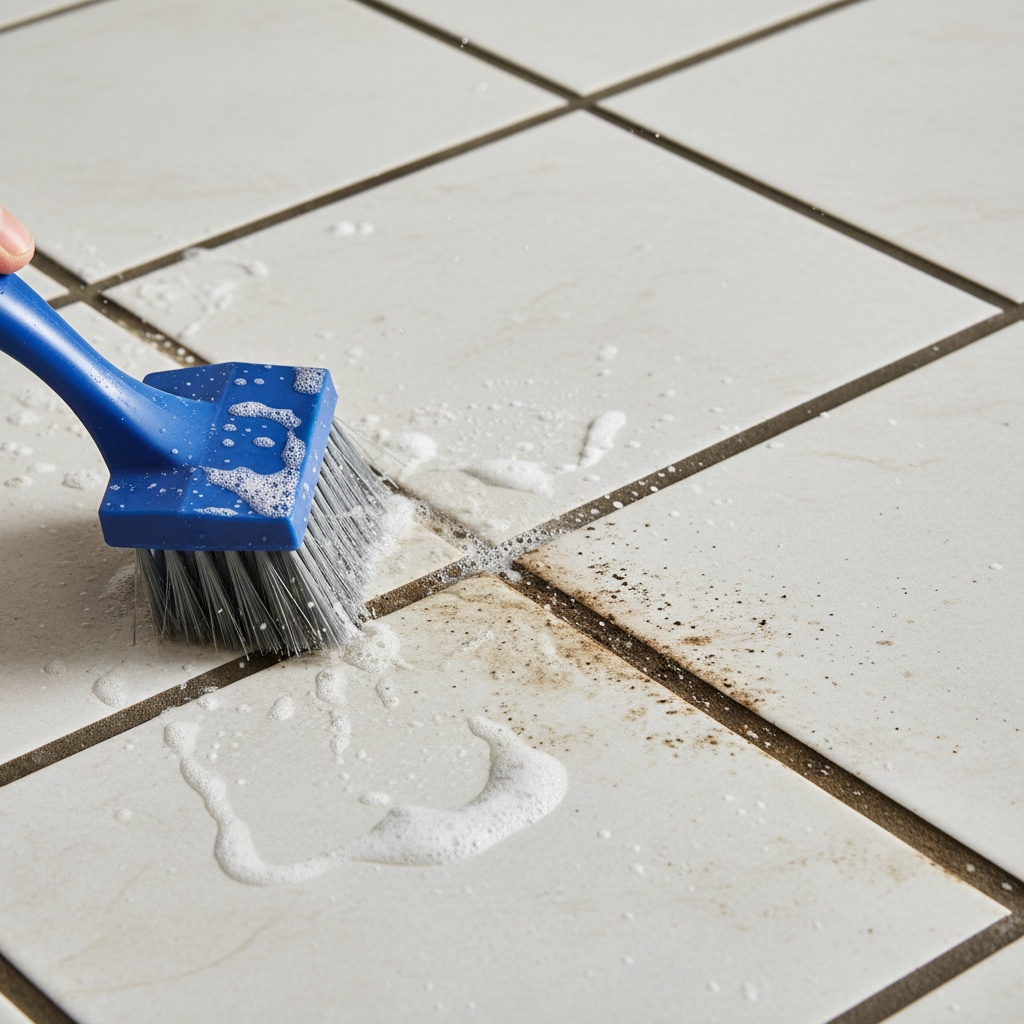
- Scrub Thoroughly: Use a stiff-bristled brush, a grout brush, or even an old toothbrush to scrub the grout lines vigorously. The bristles can get into the texture of the grout.
- Rinse and Dry: Rinse the area thoroughly with clean water to remove all cleaning solution and loosened grime. Wipe the tiles dry with a clean cloth to prevent water spots and inhibit mold regrowth.
- Preventive Measures:
- Seal Grout: Consider sealing your grout lines after cleaning. A good quality grout sealer can protect against stains and moisture penetration for years.
- Wipe Spills Immediately: Clean up spills on tiled surfaces as soon as they happen to prevent them from soaking into the grout.
Food Safety & Sanitation Practices in the Kitchen
Achieving true kitchen sanitation goes beyond just physical cleanliness; it encompasses practices that minimize the risk of foodborne illnesses. These practices are critical in Singapore where humidity can accelerate bacterial growth.
- Separate Raw and Cooked Foods: Always use separate cutting boards for raw meats and produce, or thoroughly wash and sanitize boards between uses. Store raw meat on the bottom shelf of the refrigerator to prevent drips onto other foods.
- Wash Hands Frequently: Wash your hands thoroughly with soap and water before, during, and after handling food. This is the single most effective way to prevent the spread of germs.
- Cook to Safe Temperatures: Use a food thermometer to ensure meats are cooked to their safe internal temperatures. This kills harmful bacteria.
- Chill Food Promptly: Refrigerate perishable foods within two hours of cooking (one hour if the ambient temperature is above 32°C). Rapid chilling prevents bacterial multiplication.
- Sanitise Sponges and Cloths: Sponges and dishcloths can harbor millions of bacteria. Sanitize them regularly by microwaving damp sponges for 1-2 minutes, running them through a dishwasher cycle, or soaking them in a diluted bleach solution. Replace them frequently, at least once a week.
- Clean Cutting Boards: After each use, wash cutting boards with hot, soapy water. For extra sanitation, especially after cutting raw meat, spray with a diluted bleach solution (1 teaspoon bleach per liter of water) and let it sit for a few minutes before rinsing.
Common Kitchen Cleaning Mistakes to Avoid
Avoiding common pitfalls in your cleaning routine can make your efforts more effective and prevent damage. Being aware of these mistakes helps maintain a consistently clean and functional kitchen.
- Using the Wrong Cleaner for a Surface: Applying abrasive cleaners to delicate surfaces like stainless steel can cause scratches, while acidic cleaners can damage natural stone countertops. Always check product labels and perform spot tests.
- Not Rinsing Thoroughly: Leaving cleaning solution residue on surfaces can attract dirt, leave streaks, or even be harmful if it comes into contact with food. Always rinse thoroughly with clean water.
- Ignoring Small Spills: Allowing even small spills to dry and harden makes them significantly harder to clean later, potentially leading to permanent stains or attracting pests.
- Overloading the Dishwasher: An overloaded dishwasher prevents proper water circulation and detergent distribution, resulting in dishes that aren’t fully clean or sanitized.
- Forgetting to Clean Behind Appliances: Dust, crumbs, and even pest droppings can accumulate behind refrigerators, ovens, and dishwashers. These areas need periodic cleaning for hygiene and fire safety.
- Using Dirty Cleaning Tools: A dirty sponge or cloth simply spreads bacteria around. Always use clean cloths and sponges, and sanitize them regularly.
- Mixing Cleaning Products: Never mix different cleaning chemicals, especially bleach and ammonia-based products, as this can create dangerous toxic fumes.
When to Call the Professionals: Cleatra’s Kitchen Services
While consistent DIY cleaning is essential, there are times when professional kitchen cleaning services in Singapore, like those offered by Cleatra, become invaluable. This is especially true for deep-seated grime, preparation for significant events, or when time is a constraint.
- Deep Cleaning Requirements: For a thorough kitchen deep clean that reaches every nook and cranny, professionals have specialized equipment and stronger, yet safe, cleaning agents to tackle years of accumulated grease, grime, and mold.
- Move-In/Move-Out Cleaning: When moving into a new home or vacating an old one, a professional kitchen clean ensures the space meets hygiene standards for new occupants or helps secure your deposit.
- Post-Renovation Cleaning: Renovation dust can be pervasive and settle everywhere. Professional cleaners can efficiently remove fine dust and construction debris from all surfaces, including inside cabinets and appliances.
- Specialised Cleaning Needs: For particular challenges like severe mold outbreaks, pest infestations (after pest control), or stubborn stains on specific materials (e.g., natural stone), experts know the best techniques and products to use.
- Time Constraints: If you have a busy schedule, entrusting your kitchen deep clean to professionals saves you significant time and effort, allowing you to focus on other priorities.
- Health and Safety: Professional cleaners are trained in safe cleaning practices, including the correct use of chemicals and personal protective equipment, ensuring a safe process for your home.
- Restoration and Maintenance: Cleatra’s services can help restore your kitchen to its pristine condition, making ongoing maintenance easier for you. They can address areas like extractor fan degreasing, deep oven cleaning, and external appliance polishing.
Frequently Asked Questions
How often should I deep clean my kitchen in Singapore?
You should aim for a kitchen deep clean every 1-3 months, depending on your cooking frequency and household size. High-use kitchens benefiting from a monthly deep clean, while less used ones can go up to three months.
What are the best natural products for kitchen cleaning?
Baking soda and white vinegar are excellent natural cleaners. Baking soda is a gentle abrasive and deodorizer, while vinegar is acidic, making it effective for cutting grease, mineral deposits, and killing bacteria. Lemon juice can also be used for degreasing and adding a fresh scent.
How can I prevent grease buildup in my kitchen?
To prevent grease removal kitchen issues, regularly clean your stovetop, backsplash, and extractor fan after each cooking session. Using a good quality extractor fan, and wiping surfaces daily with a degreaser or hot soapy water, significantly minimizes accumulation.
Is professional kitchen cleaning worth the cost?
Yes, professional kitchen cleaning can be very worthwhile, especially for deep cleans, move-in/move-out situations, or if you lack the time and equipment. Professionals can achieve a level of cleanliness and sanitation that is difficult to match with regular household products.
How do I maintain a hygienic kitchen during Singapore’s humid weather?
In Singapore’s humid climate, focus on good ventilation, drying surfaces immediately after cleaning, and addressing spills promptly to prevent mold and bacterial growth. Regular emptying of rubbish bins and sanitizing sponges are also crucial for maintaining a hygienic kitchen.
What should I do about persistent kitchen odors?
Persistent kitchen odors often stem from food waste, dirty drains, or neglected appliances like the refrigerator or rubbish bin. Identify the source, clean it thoroughly, and use odor absorbers like baking soda or activated charcoal.
Conclusion
Maintaining a clean and hygienic kitchen in Singapore is a critical aspect of a healthy home, safeguarding against foodborne illnesses and enhancing your living environment. By adopting a consistent routine of daily wipes, weekly tidying, and monthly deep cleans, you can effectively manage grime, grease, and potential health hazards. Remember to pay special attention to key areas like ovens, refrigerators, and grout to ensure thorough kitchen sanitation. For those times when the task feels overwhelming or requires specialized attention, professional services offer a reliable and efficient solution, ensuring your culinary hub remains sparkling and safe.