Emergency Cleaning Singapore: Urgent Solutions for Unexpected Messes
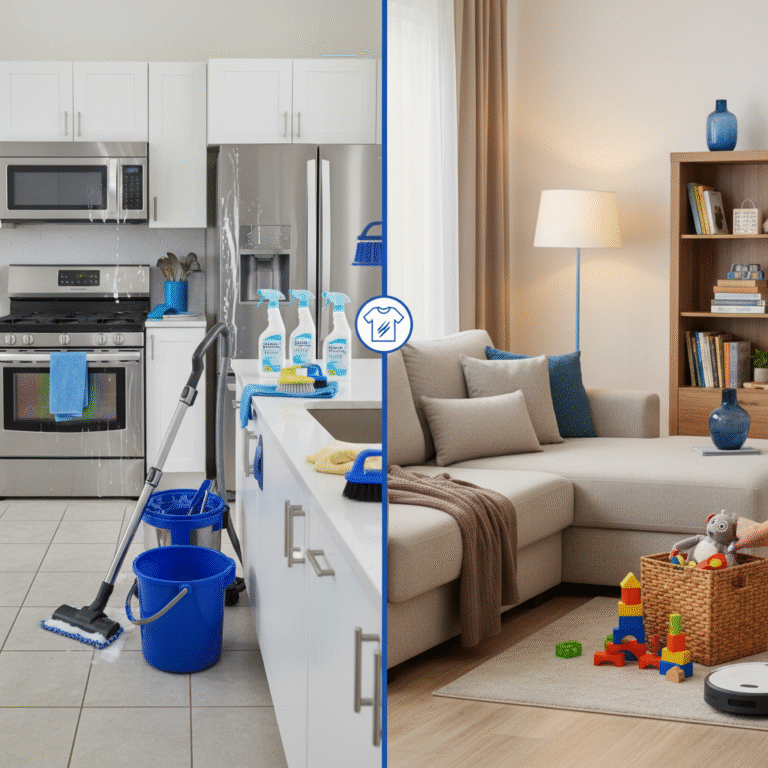
When an unexpected mess or disaster strikes, emergency cleaning Singapore services provide immediate, professional solutions to restore cleanliness and order. These specialized cleaning services are designed for urgent situations, offering rapid response to mitigate damage and ensure a safe, hygienic environment.
Quick Answer:
- Emergency cleaning addresses urgent situations like spills, post-event clear-ups, or disaster recovery.
- It minimizes damage, health risks, and operational downtime through rapid intervention.
- Specialized teams use advanced equipment and techniques for effective, efficient cleanup.
- Beneficial for homeowners, businesses, and event organizers facing unforeseen cleaning needs.
- Choosing a reliable provider with quick deployment is crucial for effective emergency response.
Table of Contents
- What Qualifies as Emergency Cleaning?
- Common Scenarios Requiring Urgent Intervention
- The Importance of Rapid Response in Cleaning
- Minimising Damage and Health Risks
- Cleatra’s Emergency Cleaning Services: Our Process
- Rapid Deployment and Assessment
- Specialised Equipment and Techniques
- Who Can Benefit From Emergency Cleaning?
- Homeowners, Businesses, and Event Organisers
- Preventing Future Cleaning Emergencies: Tips and Advice
- Frequently Asked Questions
- Conclusion
What Qualifies as Emergency Cleaning?
Emergency cleaning is defined as professional cleaning required for unexpected, urgent situations that demand immediate attention to prevent further damage, health hazards, or significant disruptions. Unlike routine or deep cleaning, its primary characteristic is the need for rapid deployment and specialized techniques to address unforeseen incidents. These situations often involve time-sensitive materials or conditions that pose risks if not handled quickly and appropriately. The scope can range from minor incidents requiring immediate attention to major cleanups following unexpected events.
Common Scenarios Requiring Urgent Intervention
Various unforeseen events necessitate urgent cleaning services. These scenarios often involve specific types of contamination or disruption that go beyond the scope of daily tidiness.
- Accidental Spills and Leaks: Large liquid spills, such as burst pipes, overflowing appliances, or overturned industrial containers, can quickly cause extensive damage to flooring, furniture, and structural elements. Prompt cleanup is crucial to prevent water damage, mold growth, and slip hazards. For instance, a burst pipe can release hundreds of liters of water in a short period, soaking carpets and subfloors.
- Post-Event Cleanup: After corporate events, private parties, concerts, or festivals, venues often require immediate and extensive cleaning to be ready for the next usage or to maintain hygiene standards. This includes clearing debris, waste management, and sanitizing surfaces. A study by the Solid Waste Management Society reported that an average large music festival can generate over 100 tons of waste.
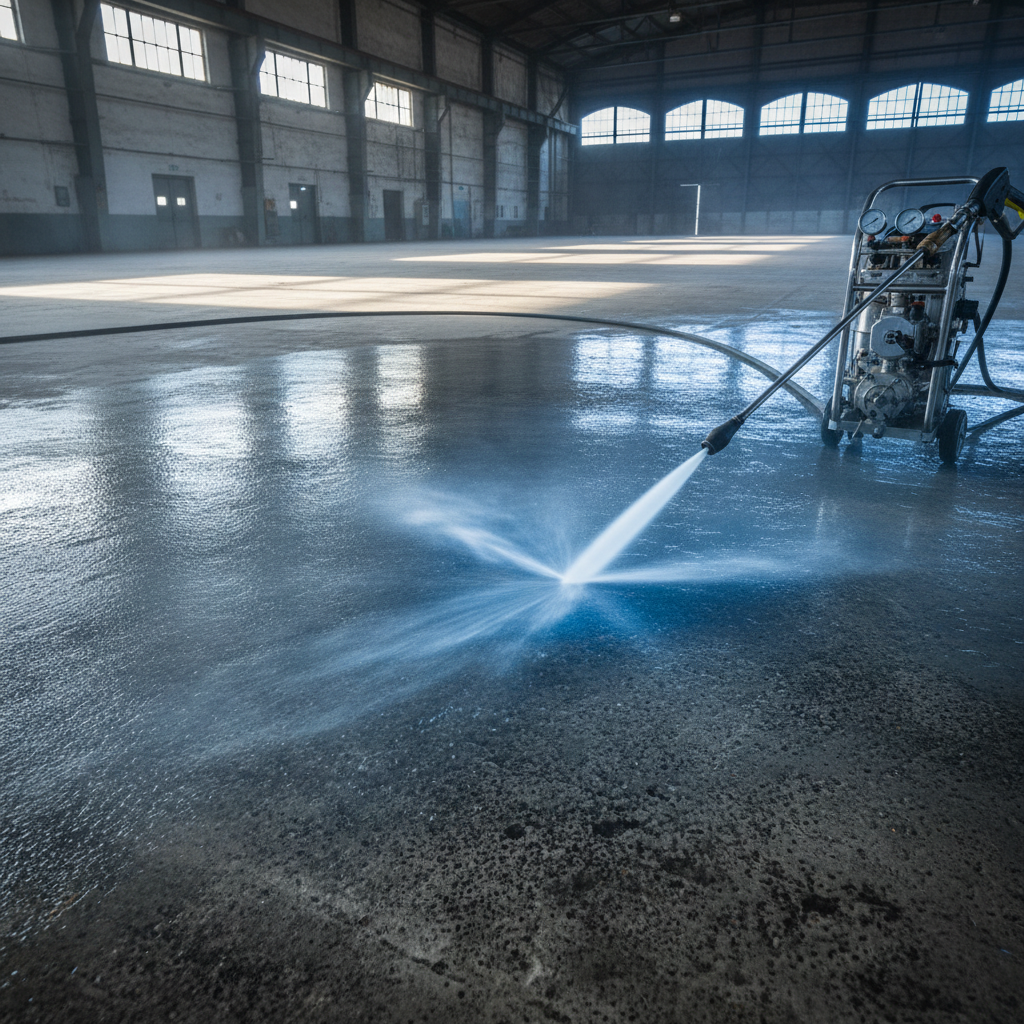
- Disaster Recovery Cleaning: Natural disasters like floods, fires, or even severe storms can leave behind significant debris, water damage, smoke residue, and hazardous materials. Disaster recovery cleaning focuses on mitigating secondary damage and making the affected area safe for reconstruction or reoccupation. This can involve water extraction, soot removal, and antimicrobial treatments.
- Biohazard and Contamination Cleanup: Incidents involving biohazardous materials, such as blood, bodily fluids, or chemical spills, demand specialized handling and disinfection protocols. These situations pose severe health risks and require trained professionals for safe and effective cleanup.
- Last-Minute Cleaning for Inspections or VIP Visits: Businesses or homeowners might require last-minute cleaning to prepare for sudden inspections, important client visits, or unexpected guests. This type of urgent service focuses on speed and thoroughness to present an immaculate environment on short notice.
The Importance of Rapid Response in Cleaning
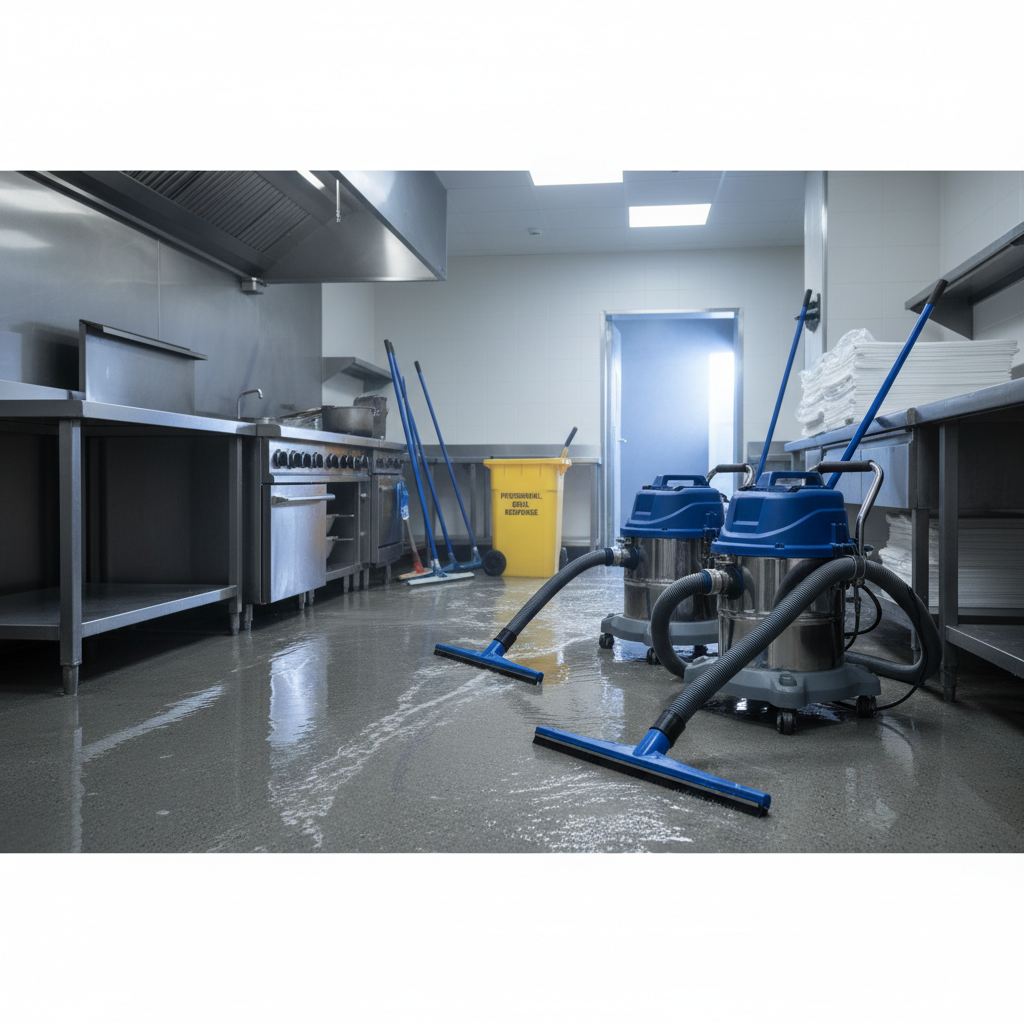
Rapid response in emergency cleaning is a critical factor in mitigating adverse outcomes and ensuring safety. The immediate mobilisation of a professional cleaning team can significantly reduce potential damage, health risks, and financial implications. For example, a quick response to a water leak can prevent water from seeping into walls and electrical systems, which would escalate repair costs substantially.
According to a report by the Institute of Inspection, Cleaning and Restoration Certification (IICRC), water damage can often be mitigated if addressed within the first 24-48 hours, significantly reducing the chances of mold growth and structural weakening. This underscores why swift action is not just convenient but essential for protecting assets and welfare.
Minimising Damage and Health Risks
Quick action during an emergency cleaning situation is fundamental to minimise damage and safeguard health. The longer contaminants or damaging agents remain present, the greater their impact.
- Preventing Structural Damage: For water-related incidents, waterlogged materials like wood, drywall, and insulation can rapidly deteriorate, leading to structural instability. Rapid water extraction and drying prevent swelling, warping, and rot. In Singapore‘s humid climate, the risk of mold growth after water damage becomes significant within 24-48 hours.
- Inhibiting Mold and Mildew Growth: Mold thrives in damp conditions and can begin to grow on surfaces within 24 to 48 hours of moisture exposure. Mold can cause respiratory issues, allergies, and can further damage building materials. Urgent cleaning and drying protocols are crucial to prevent its proliferation.
- Reducing Spread of Contaminants: In cases of biohazard spills or chemical leaks, quick containment and removal are vital to prevent the spread of harmful substances, protecting occupants from exposure and reducing the risk of cross-contamination to other areas.
- Maintaining Indoor Air Quality: Pervasive odors from smoke, mold, or spills can severely degrade indoor air quality. Immediate removal of the source, coupled with professional air purification techniques, restores breathable conditions.
- Preventing Financial Loss: The cost of repairing secondary damage (e.g., replacing moldy drywall, extensive structural repairs) far outweighs the cost of initial emergency cleanup. Prompt intervention protects assets and reduces long-term expenses. Downtime for businesses can also be minimised, preventing revenue loss.
Key Insight: The true value of rapid emergency cleaning lies not just in aesthetic restoration, but in proactive damage control and health risk management, often saving property owners substantial future repair and health-related costs.
Cleatra’s Emergency Cleaning Services: Our Process
Cleatra provides comprehensive 24/7 cleaning Singapore services designed to handle urgent situations efficiently and effectively. Our process is structured to ensure a swift response, precise assessment, and thorough execution, aiming to restore your premises to a safe and clean state with minimal disruption. We understand that emergencies don’t adhere to business hours, which is why our teams are available around the clock.
Rapid Deployment and Assessment
Upon receiving an emergency call, our first priority is to understand the scope and urgency of the situation.
- Immediate Contact and Information Gathering: Our dedicated emergency line ensures that you speak to a representative knowledgeable in crisis management. We gather crucial details like the type of emergency, location, extent of the damage, and any immediate hazards.
- Swift Dispatch of a Response Team: Based on the information collected, a specialized team is immediately dispatched to your location. Our goal is to have a team on-site as quickly as possible, typically within an agreed timeframe, depending on the severity and accessibility.
- On-Site Assessment and Action Plan: Upon arrival, our trained professionals conduct a thorough assessment of the affected area. This involves identifying the source of the problem, assessing the types of contaminants or damage involved, and evaluating potential risks. A detailed action plan outlining the cleaning methodology, required equipment, and estimated timeline is then formulated and communicated to you. This transparency ensures you are kept informed throughout the process.

Specialised Equipment and Techniques
Effective emergency cleaning requires more than just standard cleaning tools; it demands specialised equipment and techniques tailored to diverse emergency scenarios. Cleatra invests in state-of-the-art technology and continuous training for our personnel to ensure superior results.
| Aspect | Standard Cleaning | Emergency Cleaning (Cleatra) |
|---|---|---|
| Equipment | Mops, buckets, standard vacuums, general disinfectants | Industrial-grade wet/dry vacuums, air movers, dehumidifiers, HEPA filters, ozone generators, specialised biohazard kits |
| Techniques | Surface wiping, dusting, mopping | Water extraction, structural drying, thermal fogging, HEPA vacuuming, antimicrobial treatment, odour neutralisation |
| Protective Gear | Gloves, sometimes masks | Full Personal Protective Equipment (PPE) including respirators, hazmat suits, eye protection |
| Disinfectants | Multi-purpose cleaners | Hospital-grade disinfectants, virucides, fungicides, enzymatic cleaners |
| Waste Management | General waste bins | Specialized biohazard waste disposal, hazardous waste segregation and removal protocols |
For large-scale water damage, we deploy powerful water extraction units that can remove hundreds of liters of water per hour, followed by commercial-grade air movers and dehumidifiers to thoroughly dry affected areas, preventing mold growth. In cases of biohazard cleanup, our teams utilise hospital-grade disinfectants that are effective against a wide range of pathogens, adhering to stringent safety protocols which often include full Personal Protective Equipment (PPE) and specialized waste disposal. For smoke or strong odors, we employ thermal fogging or ozone generation, which neutralise airborne particles and embedded smells at a molecular level. Our technicians are also proficient in HEPA filtration for air purification and dust removal in environments compromised by fine particles. This blend of advanced tools and expert knowledge ensures that even the most challenging emergency cleaning tasks are completed safely and effectively.
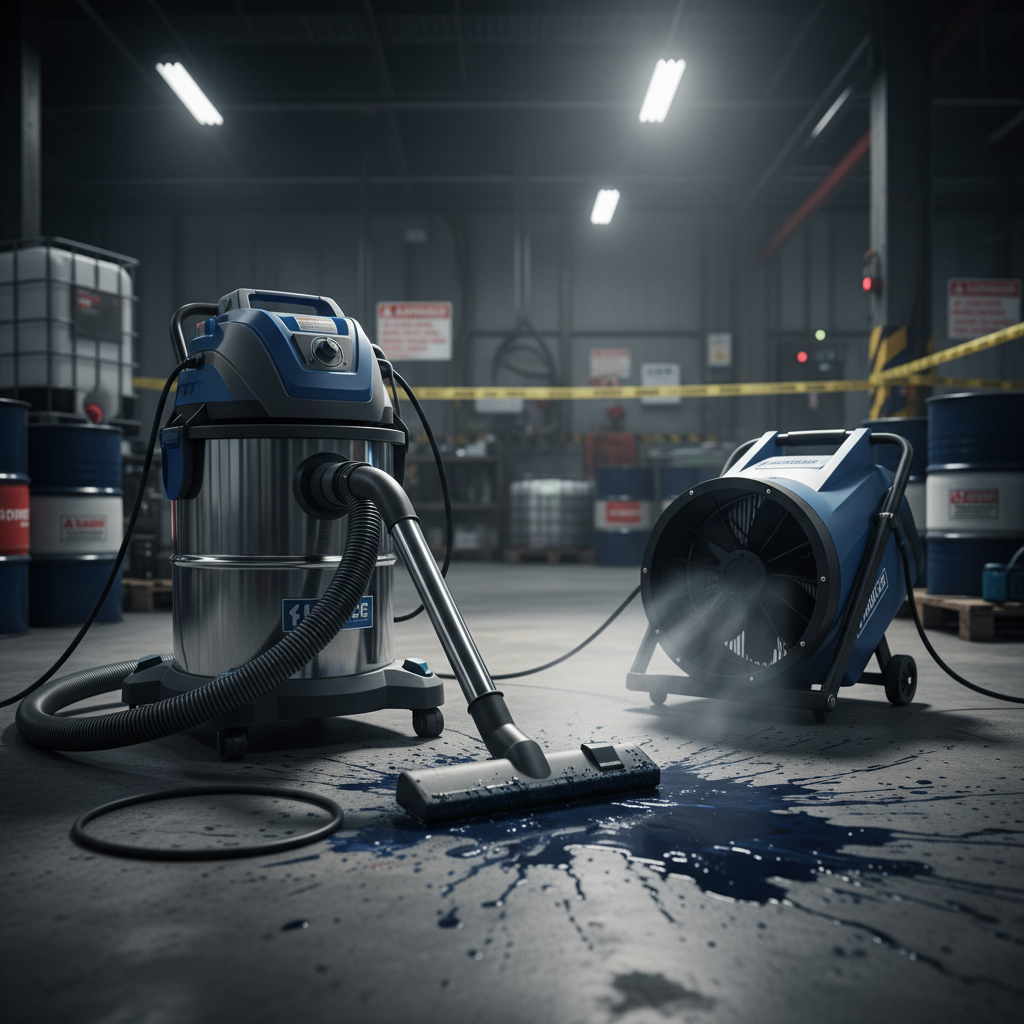
Key Insight: Choosing an emergency cleaning service with robust equipment and constantly updated techniques is paramount. Generic cleaning approaches often fall short in complex situations, risking incomplete cleanup and long-term issues.
Who Can Benefit From Emergency Cleaning?
Emergency cleaning services are not confined to a single sector but offer crucial support across a broad spectrum of clients. Anyone facing an unforeseen mess or a time-sensitive cleaning requirement can significantly benefit from professional, rapid intervention. These services provide peace of mind and practical solutions when urgency is paramount.
Homeowners, Businesses, and Event Organisers
The diverse needs of homeowners, businesses, and event organisers mean that emergency cleaning services must be adaptable and comprehensive. Each group faces distinct challenges that necessitate different approaches to urgent cleanup.
- Homeowners: Unexpected incidents in residential properties can be highly disruptive and stressful.
- Burst Pipes or Flooding: A suddenly burst pipe or an overflowing washing machine can quickly drench carpets, furniture, and walls, requiring immediate water extraction and drying to prevent extensive damage and mold growth.
- Accidental Spills: Large spills of paint, oil, or food on flooring or upholstery require prompt action to prevent permanent staining and odors.
- Biohazard Incidents: Rare but serious events like a broken sewage line or a significant bodily fluid spill require professional cleanup for health and safety.
- Preparation for Unexpected Guests/Inspections: Sometimes, a last-minute need for a pristine home for an important visitor or a sudden property inspection arises.
- Businesses: For commercial establishments, an emergency mess can translate directly into lost revenue, damaged reputation, and potential safety hazards for employees and customers.
- Retail Stores & Restaurants: Spills of food, beverages, or other products during operating hours require immediate action to maintain hygiene, prevent slip-and-fall accidents, and minimise business interruption.
- Offices: Water leaks, accidental chemical spills, or urgent cleanups before key client meetings can halt operations or affect professional image.
- Warehouses & Industrial Sites: Industrial spills (e.g., oils, chemicals) or extensive debris from equipment malfunctions pose significant safety risks and require specialized spill cleanup expertise.
- Hospitality Sector: Hotels and resorts often need rapid response for unexpected room damage, guest spills, or common area incidents to ensure continuous, high-standard service.
- Event Organisers: Large gatherings, regardless of their nature, inevitably generate significant waste and potential messes that need immediate attention to maintain venue standards and accommodate subsequent events.
- Concerts and Festivals: Post-event site clearance involves massive waste removal, floor cleaning, and sanitation of public areas, often needing to be completed within hours.
- Corporate Functions: Spills or accidental damage during a corporate gala or conference require discreet and efficient cleanup to maintain professionalism.
- Weddings and Private Parties: While joyous, these events can leave behind substantial waste, food remnants, and accidental spills, requiring thorough cleanup before the venue can be returned.
| Client Type | Common Emergency Scenarios | Primary Benefit of Emergency Cleaning |
|---|---|---|
| Homeowners | Burst pipes, large spills, biohazard incidents, urgent tidiness | Damage prevention, health safety, peace of mind |
| Businesses | Commercial spills, water leaks, urgent office prep, industrial accidents | Operational continuity, reputation protection, safety compliance, revenue preservation |
| Event Organisers | Post-event waste, accidental damage, unscheduled venue clean-up | Venue readiness, high hygiene standards, efficient turnaround |

Preventing Future Cleaning Emergencies: Tips and Advice
While not all emergencies can be prevented, many common urgent cleaning scenarios can be mitigated or avoided through proactive measures and diligent practices. Implementing preventative strategies can save time, money, and stress in the long run.
- Regular Maintenance and Inspections:
- Plumbing Systems: Schedule annual plumbing inspections for homes and businesses to identify and repair potential leaks, corroded pipes, or faulty fixtures before they lead to burst pipes or significant leaks. Check for drips or unusual damp spots regularly.
- Appliances: Regularly check appliances like washing machines, dishwashers, and water heaters for signs of wear, leaks, or blockages. Replace hoses every 3-5 years.
- Roof and Gutters: Ensure roofs are well-maintained and gutters are clear of debris to prevent water ingress during heavy rainfall, a common cause of internal water damage.
- Smart Storage and Containment:
- Chemicals and Hazardous Materials: Store all chemicals, cleaning agents, and other potentially hazardous liquids in appropriate, secure containers with secondary containment trays in designated, well-ventilated areas. Ensure they are out of reach of children and pets.
- Valuable Items: Keep important documents, electronics, and valuables elevated off the floor, especially in basements or areas prone to flooding risks.
- Employee Training and Safety Protocols (for Businesses):
- Spill Response Training: Train employees on proper spill cleanup procedures, including how to safely contain and clean minor spills and when to call for professional emergency services. Provide readily accessible spill kits.
- Equipment Operation: Ensure all staff operating machinery or handling liquids are properly trained to minimize accidental spills or ruptures.
- Facility Checks: Implement a routine checklist for daily or weekly facility checks to spot potential issues like leaks, unusual odors, or equipment malfunctions early.
- Effective Waste Management (for Event Organisers):
- Adequate Bins: Provide a sufficient number of clearly labeled waste and recycling bins across the event venue to encourage proper disposal and reduce litter.
- Regular Collections: Schedule frequent waste collections during and immediately after the event to prevent overflow and unsightly messes.
- Designated Cleanup Crews: Have a dedicated cleanup crew on standby during the event for immediate response to spills or urgent waste disposal.
- Emergency Contact Plan:
- Compile a list of emergency service providers, including 24/7 cleaning Singapore specialists, available for quick reference. This saves valuable time during a crisis.
By investing time in preventative measures and establishing clear protocols, the likelihood of needing urgent cleaning services can be significantly reduced, leading to a safer and more stable environment for all.
Frequently Asked Questions
What services are included in emergency cleaning?
Emergency cleaning services typically include rapid water extraction and drying, biohazard cleanup, chemical spill containment and removal, post-event waste management, and comprehensive disinfection to address urgent and unforeseen messes effectively.
How quickly can an emergency cleaning team arrive in Singapore?
Professional emergency cleaning services in Singapore aim for a rapid response, often reaching your location within a few hours of your call, depending on traffic conditions and the specific nature of the emergency. Many providers offer 24/7 cleaning Singapore for immediate deployment.
Is emergency cleaning more expensive than regular cleaning?
Yes, emergency cleaning is generally more expensive than regular cleaning due to the urgent nature, specialized equipment, advanced techniques, safety protocols, and often after-hours deployment required to address critical situations rapidly.
Can emergency cleaning handle biohazard situations?
Absolutely. Reputable emergency cleaning services are equipped and trained to handle biohazard cleanup, including blood, bodily fluids, and other hazardous materials, following strict safety and disinfection protocols to ensure public health and safety.
Do I need to prepare anything before the emergency cleaning team arrives?
While preparing might be difficult in an emergency, if safe to do so, try to contain the spill, clear immediate pathways, and identify the source of the problem. Otherwise, simply ensure clear access for the cleaning crew and provide as much detail about the situation as possible.
Conclusion
When unexpected messes or emergencies strike, having access to swift, professional emergency cleaning Singapore services is invaluable. From unforeseen spills and biohazard incidents to post-event clear-ups and disaster recovery, these services ensure rapid response, minimizing damage, mitigating health risks, and restoring order efficiently. By understanding what qualifies as an emergency and the importance of quick action, homeowners, businesses, and event organizers can ensure their environments are handled by experts equipped with specialized tools and techniques. Partnering with a reliable 24/7 cleaning provider means you’re always prepared for the unexpected, maintaining safety and hygiene when it matters most.