
Transform Your Home with Essential Green Household Products
Transforming your home into a healthier, more sustainable sanctuary begins with adopting green household products. These eco-friendly alternatives offer significant benefits, from improving indoor air quality to reducing your exposure to harmful chemicals, making your living space safer for everyone.
Quick Answer:
- Green household products are environmentally responsible, non-toxic, and sustainably produced.
- They enhance indoor air quality and reduce exposure to allergens.
- Key categories include cleaning supplies, personal care, kitchenware, and textiles.
- Look for ingredient transparency, certifications, and sustainable packaging.
- Cleatra champions green cleaning with services that prioritize your health and the environment.
Table of Contents
- What Are Green Household Products?
- Environmentally Responsible Materials
- Non-Toxic and Safe for Families
- Sustainable Production and Disposal
- Benefits of Incorporating Green Products Beyond Cleaning
- Improved Indoor Air Quality
- Reduced Exposure to Allergens and Irritants
- Long-Term Cost Savings and Durability
- Key Categories of Green Household Products to Consider
- Cleaning Supplies
- Personal Care Items
- Kitchen and Food Storage Solutions
- Textiles and Linens
- Choosing the Right Green Products: What to Look For
- Ingredient Transparency
- Certifications and Eco-Labels
- Material Sourcing and Packaging
- Tips for a Holistic Green Lifestyle in Your Home
- Reduce Waste and Recycle Effectively
- Conserve Energy and Water
- Support Local and Sustainable Businesses
- Cleatra’s Green Cleaning Philosophy and Services
- Frequently Asked Questions
- Conclusion
What Are Green Household Products?
Green household products are items designed, manufactured, and used in ways that minimize their environmental impact and safeguard human health. These products stand in stark contrast to conventional alternatives that often contain harsh chemicals or contribute to pollution throughout their lifecycle.
Environmentally Responsible Materials
Environmentally responsible materials are components used in green products that are either renewable, recycled, or sustainably sourced. For example, bamboo, a rapidly renewable grass, is often used instead of slow-growing timber. Similarly, products made from post-consumer recycled plastics help divert waste from landfills. The focus is on materials that regenerate quickly or repurpose existing resources, reducing the demand for virgin materials and the associated environmental footprint.
Non-Toxic and Safe for Families
Non-toxic household items are products free from chemicals known to cause harm to humans or pets. This includes steering clear of volatile organic compounds (VOCs), phthalates, parabens, and synthetic fragrances that can irritate skin, trigger allergies, or have more severe long-term health implications. By choosing non-toxic options, families significantly reduce their daily exposure to potential carcinogens, endocrine disruptors, and respiratory irritants, fostering a safer indoor environment.
Sustainable Production and Disposal
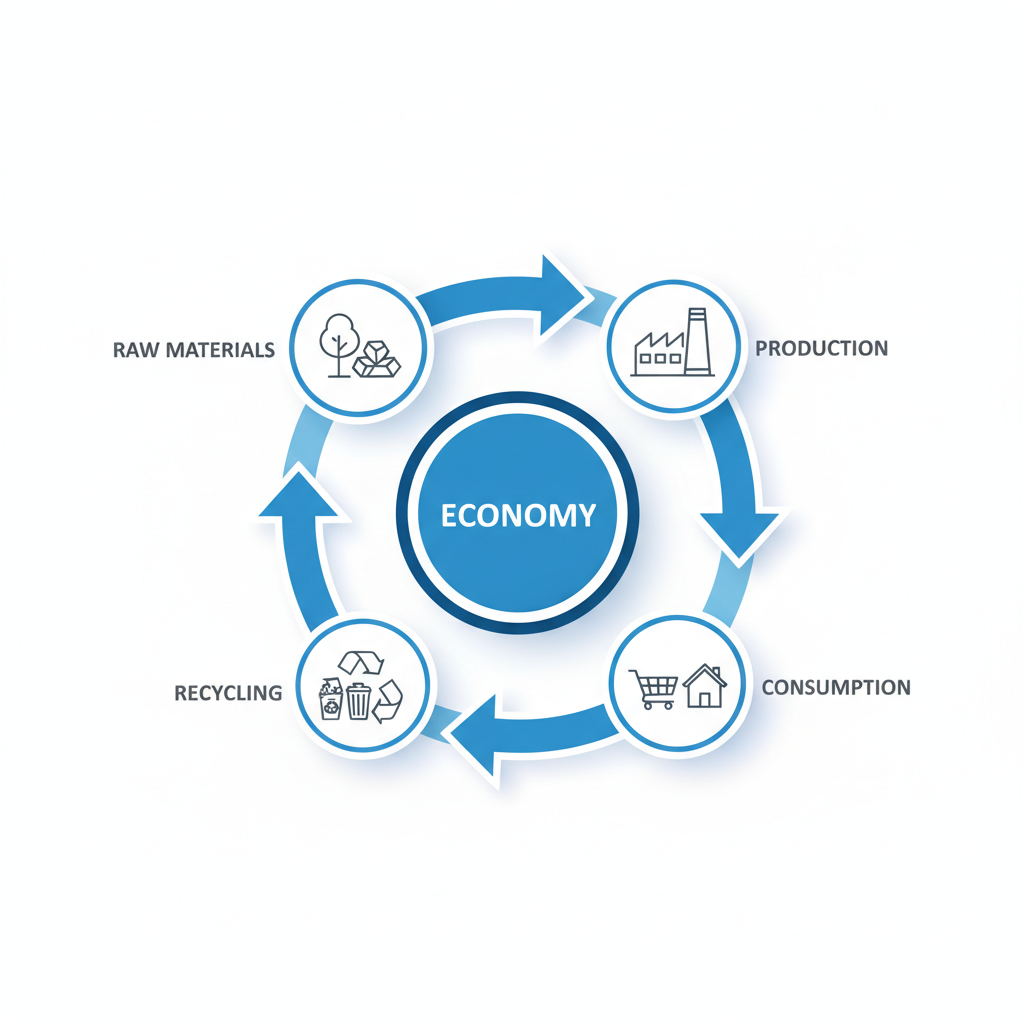
Sustainable production and disposal refer to manufacturing processes that minimize energy consumption, water usage, and waste generation, alongside end-of-life considerations for a product. This includes using renewable energy sources during production, implementing closed-loop manufacturing to recycle production waste, and designing products that are biodegradable, compostable, or easily recyclable after use. The goal is to create a circular economy where resources are used efficiently and waste is minimized at every stage.
Benefits of Incorporating Green Products Beyond Cleaning
Incorporating green products into your home extends far beyond simply cleaning your surfaces; it creates a cascade of positive effects for your health, your home’s longevity, and the wider environment. It represents a proactive step towards a more holistic and healthful living space.
Improved Indoor Air Quality
Improved indoor air quality is a significant benefit of using green household products, particularly those that are non-toxic. Many conventional household products, especially cleaners, air fresheners, and paints, release volatile organic compounds (VOCs) into the air. According to the U.S. Environmental Protection Agency (EPA), indoor air can be two to five times more polluted than outdoor air, largely due to these chemical emissions. By opting for products free of VOCs and synthetic fragrances, you reduce the concentration of airborne irritants and potentially harmful chemicals, leading to cleaner, fresher air within your home.
Reduced Exposure to Allergens and Irritants
Reduced exposure to allergens and irritants is another critical advantage of green choices. Conventional products often contain harsh chemicals, dyes, and strong synthetic fragrances that can trigger allergic reactions, asthma attacks, skin sensitivities, and respiratory issues in susceptible individuals. For example, common ingredients like ammonia and chlorine bleach can irritate the eyes, skin, and respiratory tract. Green, plant-based products typically use fewer allergenic ingredients and milder, natural scents, thereby minimizing the presence of common irritants in your living space.
Key Insight: A 2021 study published in the International Journal of Environmental Research and Public Health found a correlation between frequent use of conventional cleaning products and increased risk of asthma and allergies, highlighting the health imperative of switching to greener alternatives.
Long-Term Cost Savings and Durability
Long-term cost savings and durability often accompany the selection of high-quality green products. While the initial investment for some sustainable items might be slightly higher, their longevity and efficiency frequently lead to greater savings over time. For instance, durable reusable products like silicone food storage bags or stainless steel containers replace countless single-use items, eliminating recurring purchase costs. Furthermore, many green appliances are designed for energy efficiency, reducing utility bills, and their robust construction often means they last longer, decreasing replacement frequency and waste.
| Feature | Conventional Products | Green Household Products |
|---|---|---|
| Ingredients | Synthetic chemicals, harsh abrasives | Plant-derived, mineral-based, biodegradable |
| Air Quality | May release VOCs, synthetic fragrances | Low or no VOCs, natural or no scent |
| Health Impact | Potential irritants, allergens, toxins | Less irritating, safer for sensitive individuals |
| Environmental | Non-biodegradable, high carbon footprint | Sustainable sourcing, recyclable/compostable |
| Durability | Often single-use or shorter lifespan | Designed for reuse, longevity |
| Cost over Time | Recurring purchases of consumables | Higher upfront, lower long-term due to reuse |
Key Categories of Green Household Products to Consider
Transitioning to a greener home involves replacing conventional items with sustainable alternatives across various product categories. Each segment offers opportunities to reduce your environmental footprint and enhance your family’s well-being.
Cleaning Supplies
Green cleaning supplies are products formulated with naturally derived, non-toxic, and biodegradable ingredients. This includes multi-surface cleaners, dish soaps, laundry detergents, and specialty cleaners for bathrooms and kitchens. Instead of harsh chemicals like ammonia, chlorine bleach, and phosphates, these products utilize plant-based enzymes, essential oils, vinegar, baking soda, and citric acid for effective cleaning and disinfecting. Cleatra specializes in harnessing the power of these safe and effective ingredients to provide a truly clean and healthy environment for your home or office.
Personal Care Items
Green personal care items encompass a wide range of products applied to the body, such as shampoos, conditioners, soaps, lotions, toothpaste, and deodorants. These items prioritize natural, organic ingredients free from parabens, phthalates, sulfates, synthetic fragrances, and artificial dyes. Many also come in eco-friendly packaging, such as refillable containers or compostable materials, minimizing plastic waste. Choosing transparently labelled personal care products helps reduce skin irritation and systemic absorption of unwanted chemicals.
Kitchen and Food Storage Solutions
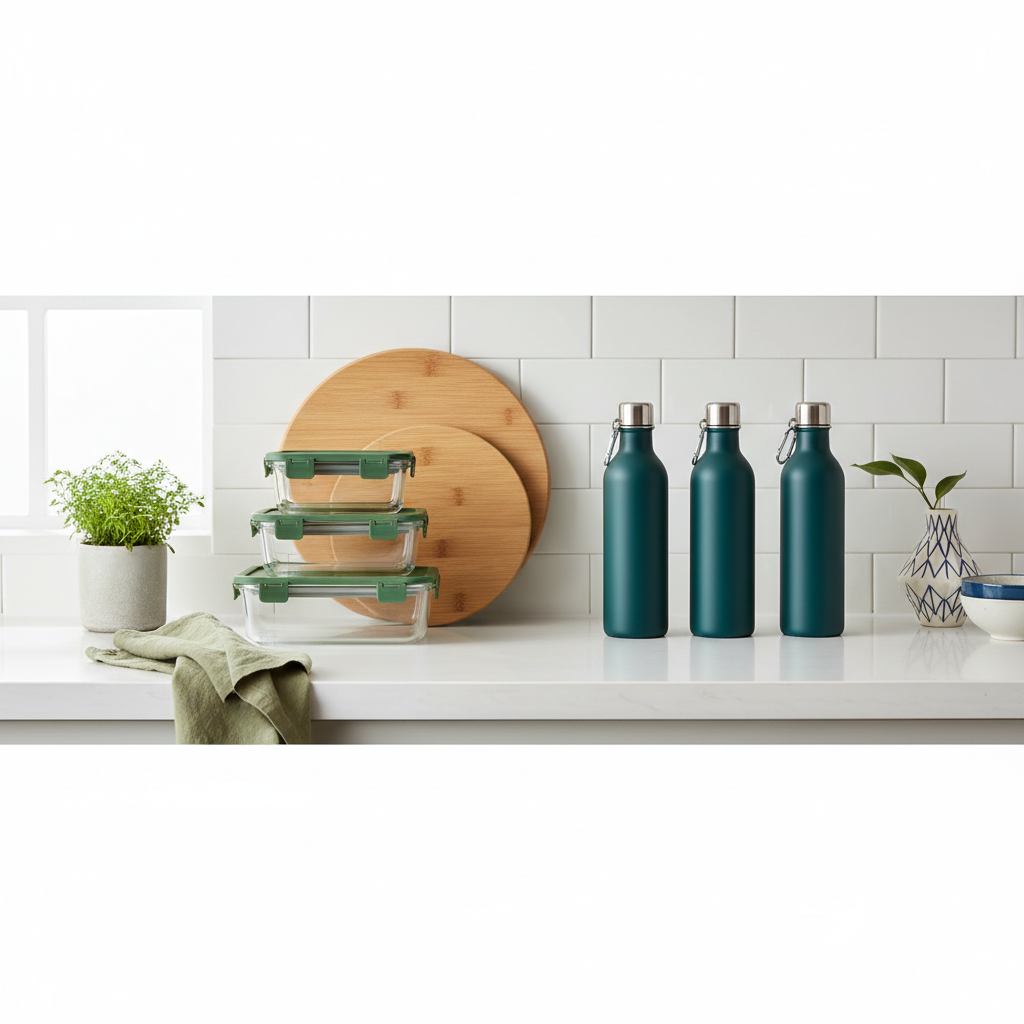
Green kitchen and food storage solutions focus on reducing waste, particularly single-use plastics, and preventing chemical leaching into food. This category includes reusable items like beeswax wraps, silicone bags, glass containers, stainless steel lunchboxes, and bamboo utensils. It also extends to choosing durable, energy-efficient appliances, opting for compostable trash bags, and using non-toxic cookware made from materials like cast iron or ceramic rather than non-stick coatings containing PFOA (perfluorooctanoic acid).
Textiles and Linens
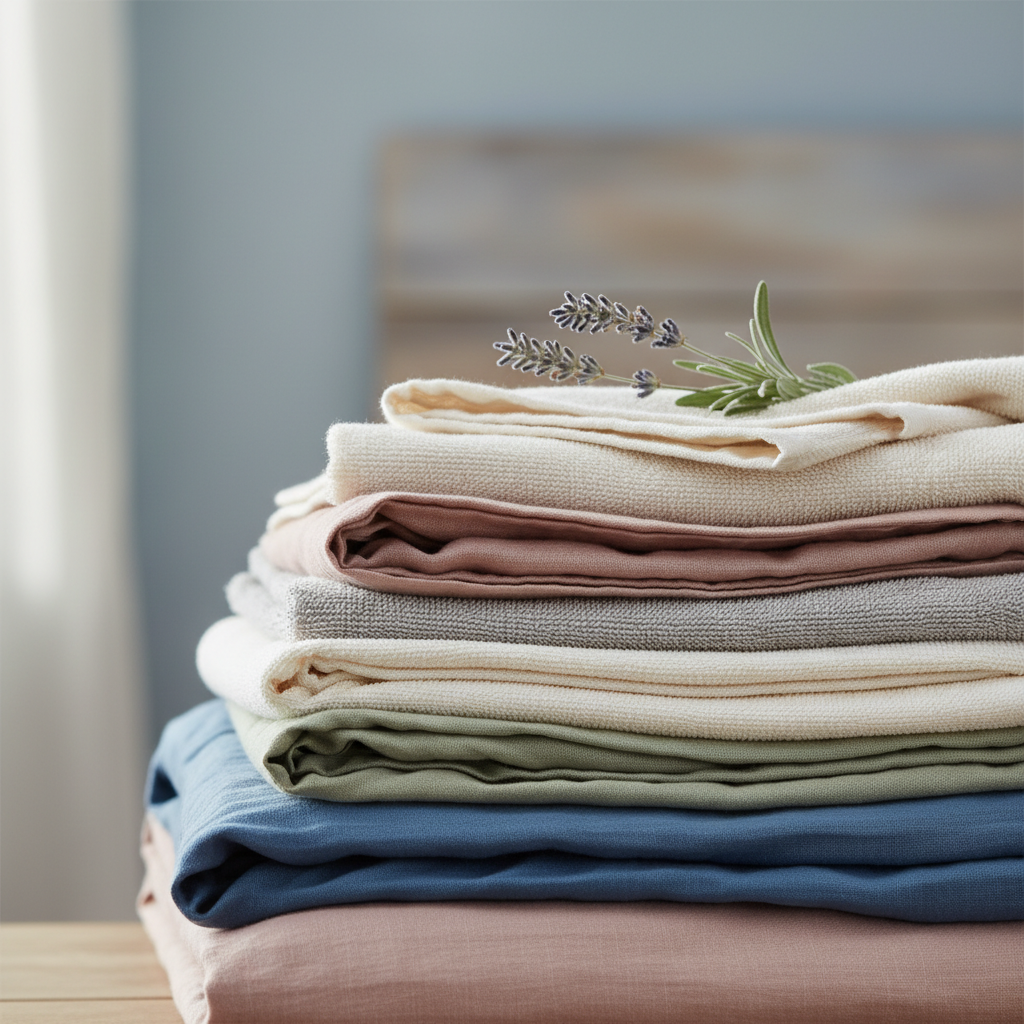
Eco-friendly textiles and linens are fabric products made from sustainable fibers and dyed with non-toxic, low-impact dyes. This includes bedding, towels, clothing, and draperies crafted from materials like organic cotton, hemp, linen, bamboo, and recycled polyester. Organic certification ensures that the fibers are grown without synthetic pesticides or fertilizers, protecting both the environment and agricultural workers. These textiles are often more comfortable, breathable, and durable, contributing to a healthier home environment by reducing exposure to chemical residues.
Choosing the Right Green Products: What to Look For
Navigating the vast market of green products can be challenging, with many brands making vague “eco-friendly” claims. Knowing what specific attributes to look for empowers you to make informed, truly sustainable choices.
Ingredient Transparency
Ingredient transparency means that a product’s manufacturer clearly lists all components, their sources, and their purpose. Genuine green brands will provide detailed ingredient lists, often explaining why each ingredient was chosen and its environmental or health benefits. Be wary of products that use vague terms like “natural fragrance” or “proprietary blend,” as these can hide potentially harmful chemicals. A commitment to transparency allows consumers to verify claims and make choices aligned with their values for non-toxic household items.
Certifications and Eco-Labels
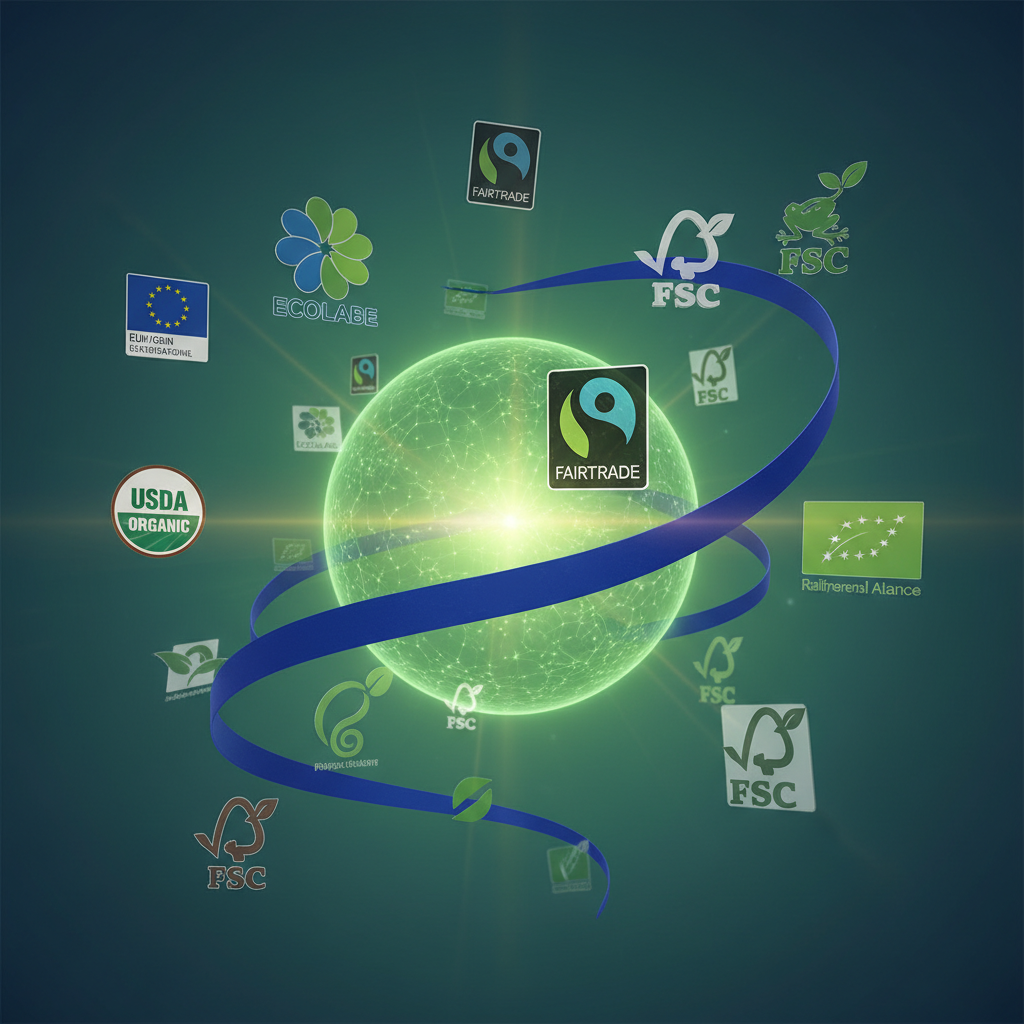
Certifications and eco-labels are independent third-party verifications that a product meets specific environmental or health standards. These labels act as shortcuts for consumers, indicating that a product has undergone rigorous testing and adherence to predefined criteria.
Here are some reputable certifications to look for:
- USDA Organic: Guarantees agricultural ingredients are grown and processed according to federal guidelines addressing soil quality, animal raising practices, pest and weed control, and additive use.
- ECO-Label (EU Ecolabel): A voluntary label promoting environmental excellence for products and services throughout the European Union.
- Green Seal: Certifies products and services that meet environmental leadership standards.
- ECOLOGO: A certification indicating products have been independently certified to meet strict environmental performance standards.
- Leaping Bunny: Guarantees no animal testing at any stage of product development.
Different labels focus on various aspects, from ingredient sourcing to manufacturing processes and biodegradability. Always research what a specific label truly signifies.
Material Sourcing and Packaging
Material sourcing and packaging are critical considerations for the overall environmental impact of a product. Sustainable home goods prioritize materials that are renewable, recycled, or upcycled, ensuring minimal depletion of natural resources. For packaging, look for options that are:
- Recyclable: Made from materials like glass, aluminum, or certain plastics that can be processed and reused.
- Recycled Content: Packaging made from post-consumer recycled (PCR) materials further reduces demand for virgin resources.
- Compostable/Biodegradable: Packaging that can break down safely into natural elements.
- Refillable: Systems that allow you to reuse containers, significantly cutting down on waste.
Companies committed to sustainability often highlight their efforts in these areas on their websites or product labels. Avoid excessive packaging, especially single-use plastics, whenever possible.
Tips for a Holistic Green Lifestyle in Your Home
Adopting green household products is an excellent start, but a truly sustainable home goods approach involves integrating eco-conscious practices into every aspect of daily living. These tips extend beyond product choices to encompass routines and habits that further reduce your environmental footprint.
Reduce Waste and Recycle Effectively
Reducing waste and recycling effectively are foundational principles of a green lifestyle. Start by minimizing what you bring into your home; ask yourself if you truly need an item before purchasing. Opt for products with minimal packaging or in bulk sizes. For unavoidable waste, establish clear recycling practices, separating paper, plastics, glass, and metals according to local guidelines. Composting food scraps and yard waste further diverts organic materials from landfills, where they would otherwise produce methane, a potent greenhouse gas. A significant portion of household waste can be reduced through mindful consumption and diligent sorting.
Conserve Energy and Water
Conserving energy and water directly reduces your utility bills and overall environmental impact. Simple changes can make a big difference:
- Energy: Switch to LED lighting, unplug electronics when not in use (phantom load can account for up to 10% of household energy use), adjust your thermostat to optimize heating and cooling, and consider energy-efficient appliances. Allowing natural light to illuminate your home during the day also cuts down on electricity.
- Water: Fix leaky faucets, take shorter showers, run dishwashers and washing machines only when full, and consider installing low-flow fixtures. Collecting rainwater for gardening is another effective way to conserve treated water. These measures cumulatively save thousands of gallons of water annually.
Key Insight: According to the National Environment Agency (NEA) in Singapore, domestic electricity consumption contributes significantly to the nation’s carbon emissions. Adopting energy-saving habits is crucial for local environmental sustainability.
Support Local and Sustainable Businesses
Supporting local and sustainable businesses strengthens your community while promoting ethical and environmentally responsible practices. Local businesses often have a smaller carbon footprint due to shorter supply chains, and they frequently invest more back into the local economy. Seek out businesses that prioritize sustainability in their operations, from sourcing materials to fair labor practices and waste reduction. By consciously choosing to buy from these establishments, you cast a vote for a more responsible economic system and encourage other businesses to adopt similar practices. This aligns perfectly with investing in eco-friendly home essentials.
Cleatra’s Green Cleaning Philosophy and Services
At Cleatra, our approach to cleaning is deeply rooted in our commitment to health, safety, and environmental stewardship, aligning perfectly with the principles of green household products. We believe that a truly clean space is one that is free from dirt, germs, and harmful chemicals, providing peace of mind for our clients in Singapore.
Our green cleaning philosophy centers on using non-toxic, eco-friendly cleaning agents that are effective against grime and pathogens but gentle on your household, your pets, and the planet. We carefully select professional-grade products that are biodegradable, free from harsh VOCs, phosphates, chlorine bleach, and synthetic fragrances. This ensures improved indoor air quality and significantly reduces the risk of allergic reactions or respiratory irritations often associated with conventional cleaning practices. We prioritize your well-being, understanding that the health of your home directly impacts your family’s health.
Our services, including general cleaning, deep cleaning, move-in/move-out cleaning, and post-renovation cleaning, all integrate these sustainable practices. For instance, in a deep clean, we don’t just meticulously remove dust and sanitize surfaces; we do so using solutions that won’t leave behind harmful residues. This is particularly crucial for families with young children or individuals with sensitivities. We also employ efficient cleaning techniques and equipment to minimize water and energy consumption, further enhancing our environmental commitment. Cleatra is dedicated to proving that exceptional cleanliness can be achieved responsibly, fostering a healthier living environment for all our Singaporean clients.

Frequently Asked Questions
What are the main benefits of switching to green cleaning products?
The main benefits of switching to green cleaning products include improved indoor air quality by reducing VOCs, decreased exposure to allergens and irritants for healthier living, and a lower environmental impact due to biodegradable ingredients and sustainable packaging. These products make your home safer for everyone.
Are green household products as effective as conventional ones?
Yes, modern green household products are often just as effective as conventional ones, if not more so, thanks to advancements in plant-based science and enzyme technology. Brands like Cleatra use professionally formulated eco-friendly solutions that tackle dirt, grease, and grime efficiently without harsh chemicals.
How can I identify truly eco-friendly products versus “greenwashed” ones?
To identify truly eco-friendly products, look for third-party certifications like Green Seal or ECOLOGO, clear and transparent ingredient lists, and information about sustainable sourcing and recyclable or refillable packaging. Be wary of vague claims without supporting evidence, which can be a sign of “greenwashing.”
Are sustainable home goods more expensive?
While some sustainable home goods might have a slightly higher upfront cost, they often provide long-term cost savings due to their durability, reusability, and energy efficiency. For instance, reusable silicone food storage or energy-saving appliances reduce recurring expenses and replacements over time.
What are VOCs and why should I avoid them in household products?
VOCs, or Volatile Organic Compounds, are gases emitted from certain solids or liquids, including many conventional household cleaners and paints. They can cause short-term health effects like headaches and nausea, and long-term exposure is linked to issues like liver damage and cancer, making them important to avoid for better indoor air quality.
How does Cleatra ensure its cleaning services are eco-friendly?
Cleatra ensures its cleaning services are eco-friendly by exclusively using non-toxic, biodegradable, plant-based cleaning solutions and professional-grade green cleaning products. We also incorporate efficient cleaning techniques to conserve water and energy, prioritizing both your home’s cleanliness and environmental responsibility.
Conclusion
Embracing green household products is a transformative step towards cultivating a healthier, more sustainable home environment. By choosing non-toxic, eco-friendly options across all aspects of your daily life, from cleaning supplies to kitchenware and textiles, you actively reduce your exposure to harmful chemicals, enhance indoor air quality, and contribute to a more sustainable planet. This shift supports not only the well-being of your family but also fosters a responsible approach to resource consumption and waste reduction. Begin your journey toward a greener home today, starting with mindful choices that resonate with long-term health and environmental stewardship.