Tackling Dust Mites in Singapore Homes: A Professional Cleaning Guide
Dust mite cleaning in Singapore is crucial for maintaining a healthy indoor environment, especially given the country’s high humidity which provides ideal conditions for these microscopic pests. By implementing targeted cleaning strategies and understanding their habits, residents can significantly reduce dust mite populations and alleviate associated health issues.
Quick Answer:
- Dust mites thrive in Singapore‘s humid climate, feeding on dead skin cells.
- They commonly infest bedding, carpets, upholstered furniture, and curtains.
- Dust mites are a major trigger for allergies, asthma, and other respiratory problems.
- Effective dust mite control involves regular cleaning, humidity control, and professional intervention.
- Professional cleaning services utilize specialized equipment and techniques for thorough dust mite removal.
Table of Contents
- Understanding Dust Mites: What Are They and Why Do They Thrive Here?
- Common Habitats of Dust Mites in Your Home
- Health Impacts of Dust Mites: Allergies and Respiratory Issues
- DIY Dust Mite Control: What You Can Do
- Why Professional Dust Mite Cleaning is Essential and What It Involves
- Cleatra’s Approach to Dust Mite Elimination
- Beyond Dust Mites: Creating an Allergy-Friendly Home
- Choosing the Right Service for Your Needs
- Frequently Asked Questions
- Conclusion
Understanding Dust Mites: What Are They and Why Do They Thrive Here?
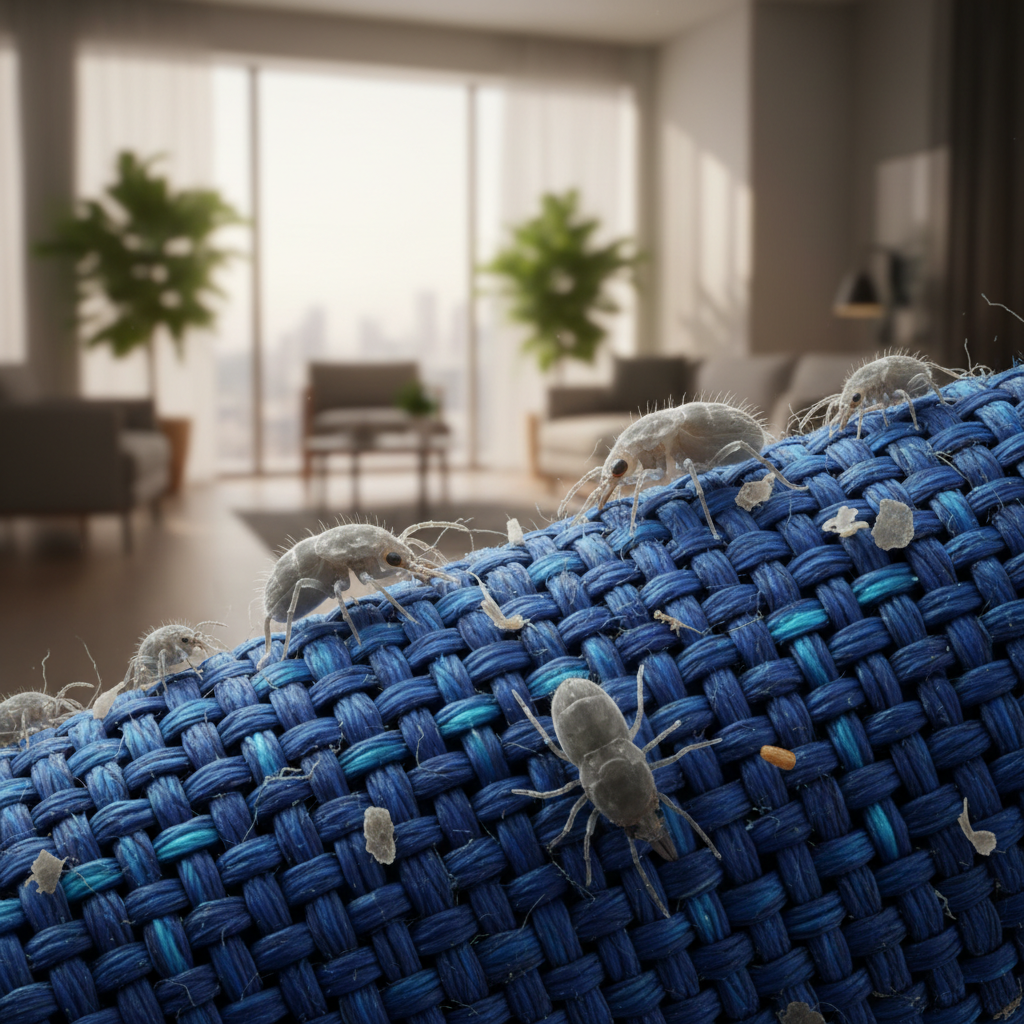
Dust mites are microscopic arachnids, invisible to the naked eye, that primarily feed on dead human and animal skin cells. They are not parasites and do not bite, but their fecal matter and decaying body parts are potent allergens. These tiny creatures thrive in warm, humid environments, making Singapore’s tropical climate an ideal breeding ground. A relative humidity level between 70-80% and temperatures above 25°C significantly accelerate their reproduction and survival rates. Research indicates that the average Singaporean home often provides these exact conditions, allowing dust mite populations to flourish year-round.
Common Habitats of Dust Mites in Your Home
Dust mites are found in areas where humans spend significant time and shed skin cells, typically in soft furnishings that trap moisture and dust. Their preferred habitats are often in the bedroom and living areas.
These common havens include:
- Bedding: Mattresses, pillows, blankets, and duvets are prime locations due to direct contact with skin and accumulated moisture from perspiration. A typical mattress can host millions of dust mites.
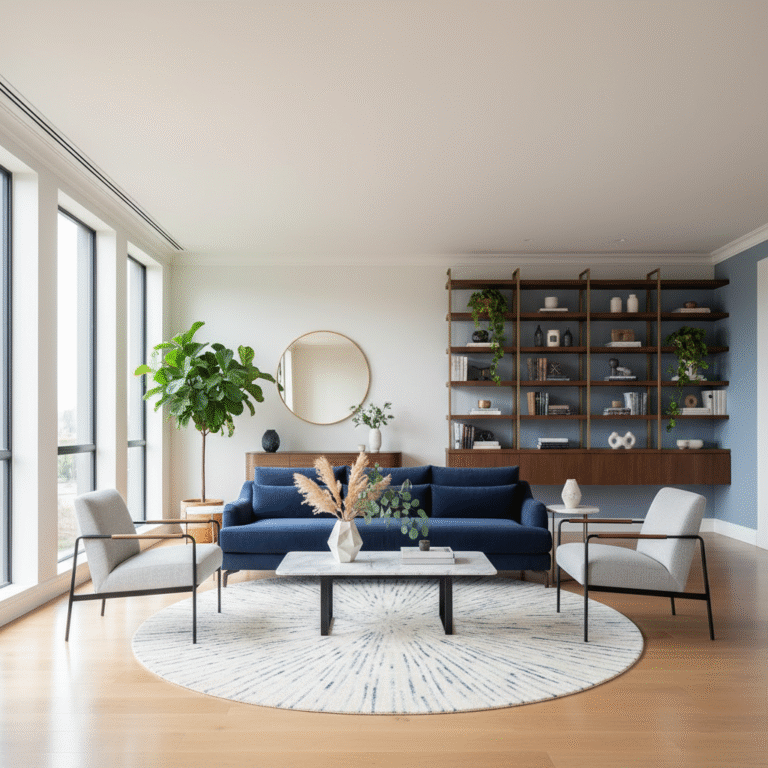
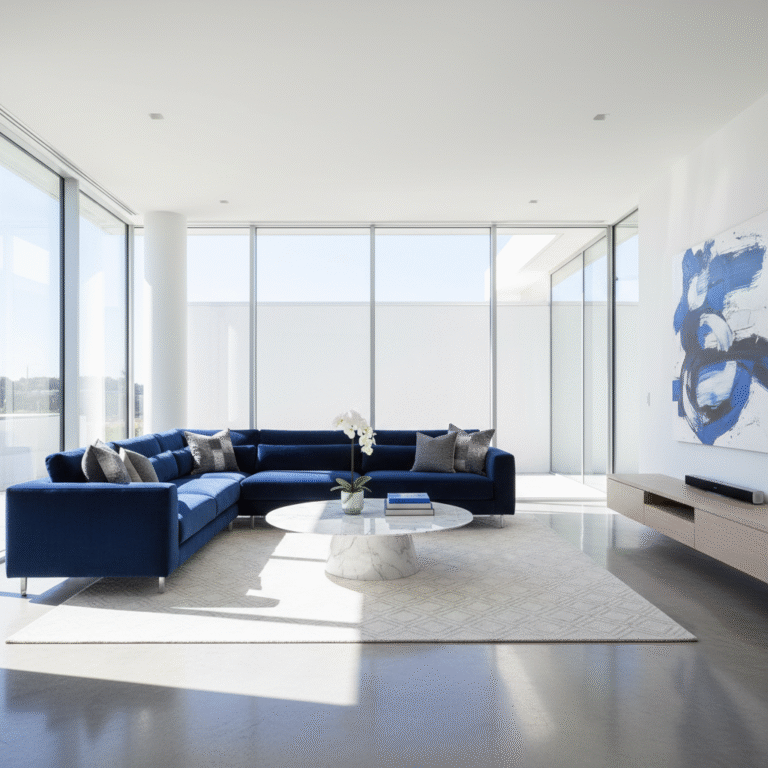
- Upholstered Furniture: Sofas, armchairs, and other fabric-covered items collect skin flakes and offer deep crevices for mites to hide.
- Carpets and Rugs: These fibrous surfaces trap dust, dead skin, and moisture, providing an expansive environment for dust mite colonies.
- Curtains and Drapes: Heavy fabric curtains can accumulate dust and absorb humidity, creating another favorable habitat.
- Stuffed Toys: Children’s toys, especially those frequently played with and unwashed, can harbor significant numbers of mites.
Health Impacts of Dust Mites: Allergies and Respiratory Issues
The primary concern with dust mites stems from their excretions and body fragments, which contain powerful allergens. When these airborne particles are inhaled, they can trigger allergic reactions in sensitized individuals.
Common health impacts include:
- Allergic Rhinitis: Symptoms typically include sneezing, runny nose, nasal congestion, itchy nose, and watery eyes. This is one of the most widespread allergic reactions to dust mites in Singapore.
- Asthma: Dust mites are a significant trigger for asthma attacks, particularly in children. Exposure can lead to coughing, wheezing, shortness of breath, and chest tightness. According to the World Health Organization, 300 million people worldwide suffer from asthma, with dust mites being a key allergen.
- Eczema (Atopic Dermatitis): For some individuals, skin contact with dust mite allergens can exacerbate eczema, causing itchy, red, and inflamed skin.
- Conjunctivitis: Eye irritation, including redness, itching, and increased tearing, can also be a symptom of dust mite allergy.
Key Insight: Young children and individuals with a family history of allergies are at a higher risk of developing sensitivities to dust mites. Reducing exposure early can potentially mitigate the severity of future allergic responses.
DIY Dust Mite Control: What You Can Do
While complete eradication is nearly impossible, consistent efforts can significantly reduce dust mite populations in your home. These measures require diligence and regular implementation.
Here are effective DIY strategies:
- Wash Bedding Regularly: Wash sheets, pillowcases, and duvet covers weekly in hot water (at least 55°C/130°F) to kill dust mites and remove allergens.
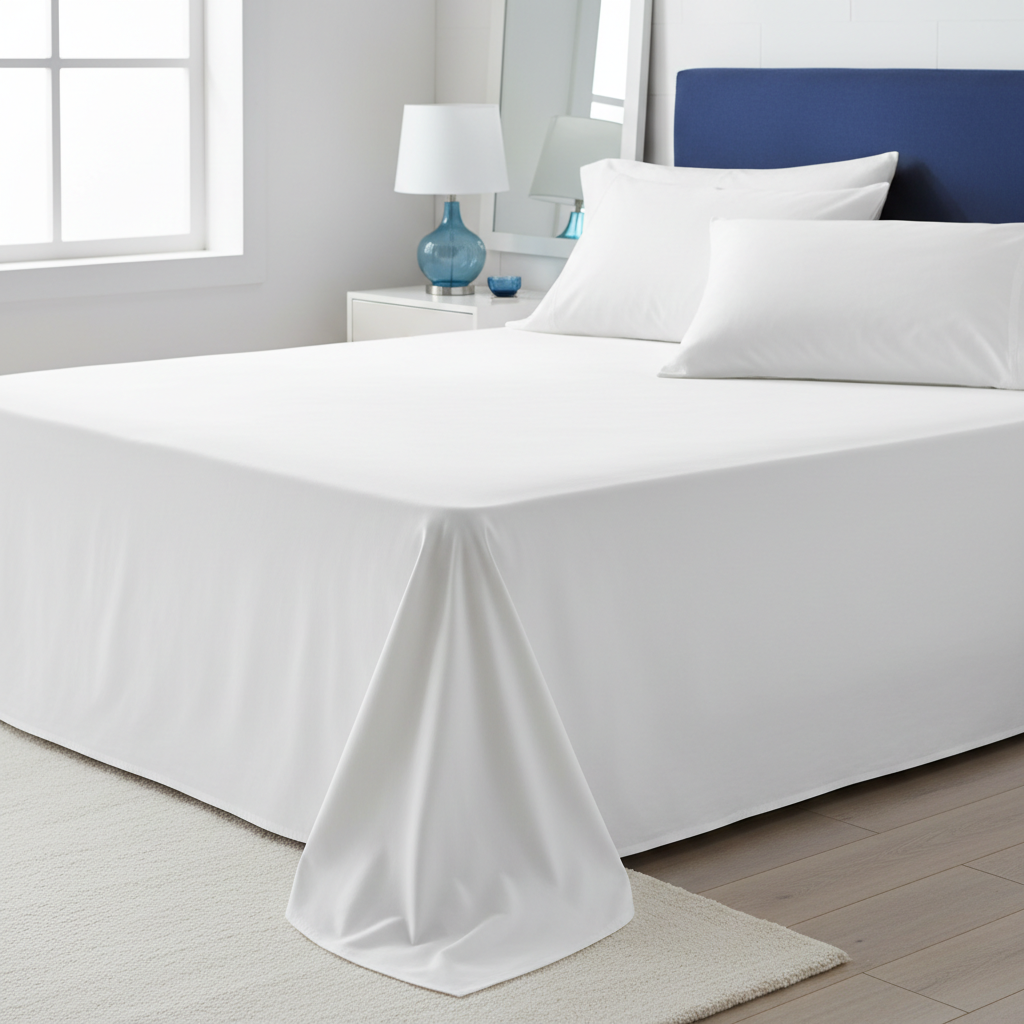
- Use Allergen-Proof Covers: Encase mattresses, pillows, and duvets in special zippered allergy-proof covers. These barriers prevent dust mites from penetrating and trap existing ones.
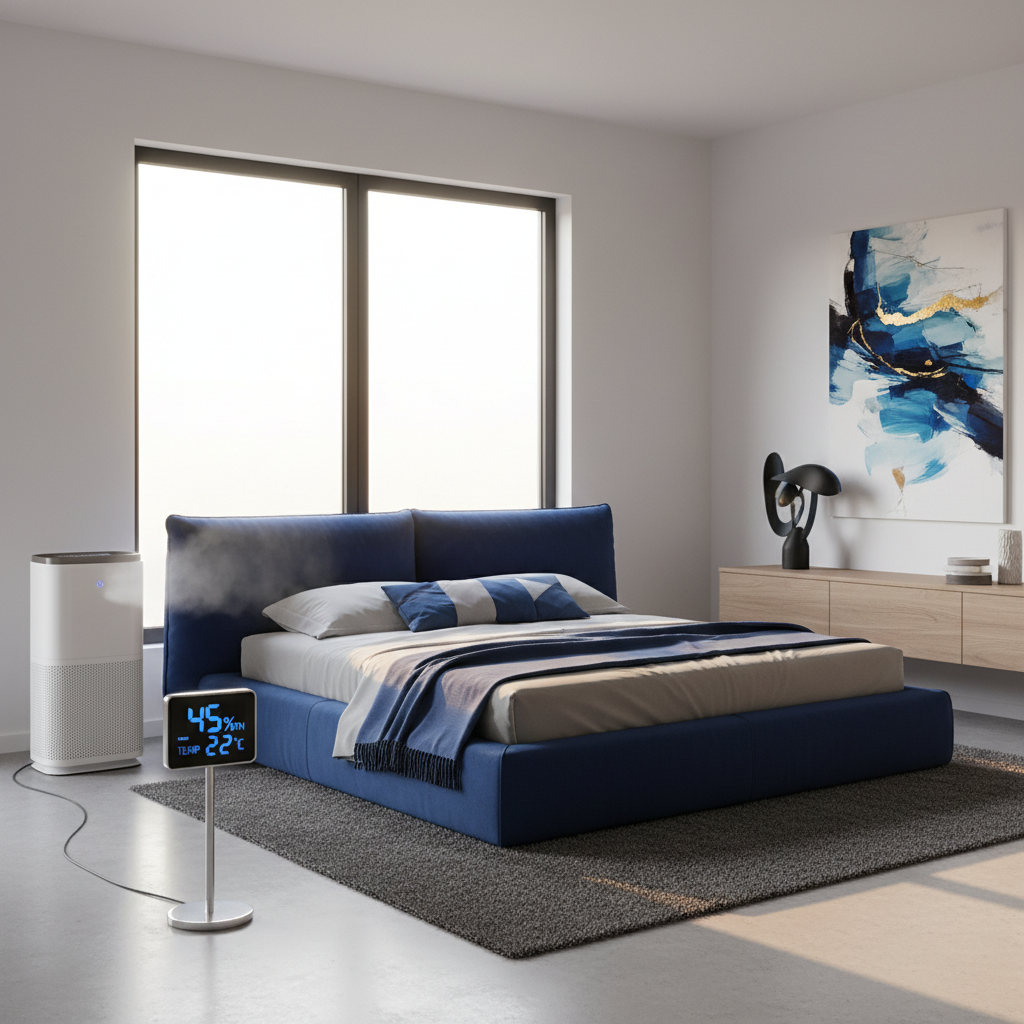
- Control Humidity: Maintain indoor humidity levels below 50% using dehumidifiers or air conditioners. This deprives dust mites of the moisture they need to survive. A hygrometer can help monitor humidity.
- Vacuum Regularly: Use a vacuum cleaner with a HEPA filter to effectively trap dust mites and their allergens from carpets, rugs, and upholstered furniture. Vacuum at least twice a week.
- Minimize Clutter: Reduce the number of dust-collecting items like decorative pillows, throw blankets, and stuffed animals. Washable items should be laundered frequently.
- Clean Curtains and Blinds: Wash fabric curtains or blinds regularly at high temperatures or opt for easier-to-clean alternatives like roller blinds or vertical blinds.
- Air and Sun Mattresses: If possible, periodically air your mattress outdoors in direct sunlight for a few hours. The UV rays can help kill mites and dry out moisture.
Why Professional Dust Mite Cleaning is Essential (And What It Involves)
While DIY methods are crucial for ongoing maintenance, professional dust mite removal in Singapore offers a significantly deeper and more effective solution for initial decontamination and periodic intensive cleaning. Professionals have access to specialized equipment and knowledge that homeowners typically do not.
Professional cleaning, such as deep cleaning services provided by Cleatra, typically involves:
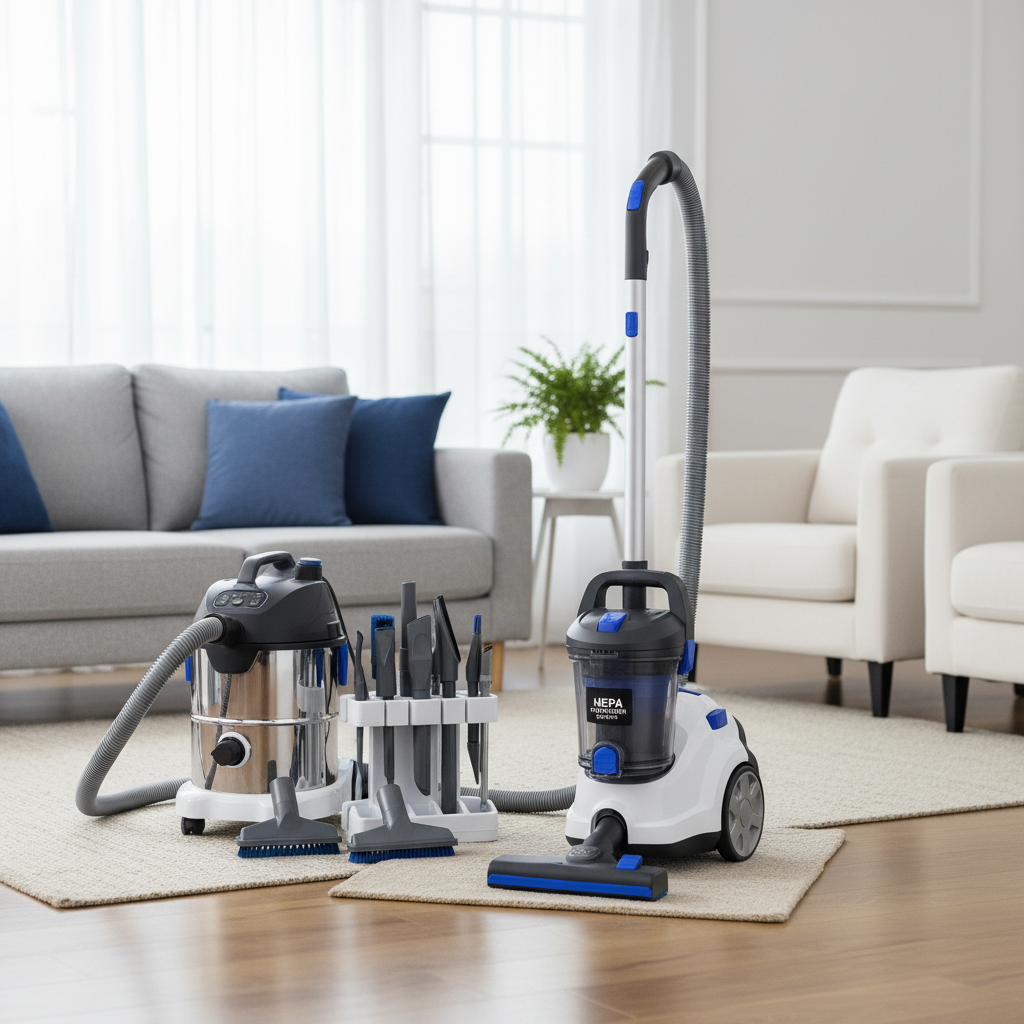
- High-Powered Vacuuming with HEPA Filtration: Industrial-grade vacuums with superior suction and multi-stage HEPA filters can extract dust mites, their allergens, and other particulate matter deeply embedded in carpets, mattresses, and upholstery far more effectively than standard home vacuums.
- Steam Cleaning or Hot Water Extraction: High-temperature steam or hot water extraction (for suitable fabrics) applied carefully to mattresses, carpets, and upholstery can kill dust mites on contact. The heat penetrates fibers, sterilizing and sanitizing the surfaces.
- Anti-Allergen Treatments: Some professional services apply specialized anti-allergen sprays or treatments that denature dust mite allergens, rendering them harmless, or deter future mite infestations. These are typically non-toxic and safe for homes.
- Targeted Cleaning: Professionals are trained to identify and focus on high-risk areas where dust mites are most prevalent, ensuring no hidden spots are overlooked.
- Knowledge of Fabric Types: Experienced cleaners understand different fabric compositions and tailor their cleaning methods to prevent damage while maximizing mite removal.
Key Insight: Professional cleaning penetrates surfaces far more effectively than home appliances, reaching deep into mattress fibers and carpet piles where dust mites thrive and lay eggs. This significantly disrupts their life cycle and reduces the overall allergen load.
Cleatra’s Approach to Dust Mite Elimination
Cleatra offers a structured and effective approach to dust mite cleaning in Singapore, utilizing professional techniques and equipment to safeguard your home environment. Their services are designed to target the core problem areas and provide lasting relief from dust mite allergens.
Cleatra’s process typically includes:
- Thorough Assessment: Initial assessment of your home to identify high-risk areas and specific materials requiring attention, such as types of mattresses, upholstery, and carpets.
- Deep Vacuuming with HEPA Technology: Using powerful, commercial-grade vacuum cleaners equipped with HEPA filters, Cleatra meticulously vacuums all affected surfaces. This extracts dust mites, their droppings, dead skin cells, and other allergens embedded deep within fabrics.
- Steam Treatment/Hot Water Extraction: For suitable materials, high-temperature steam or hot water extraction is employed. This method is highly effective in killing dust mites and bacteria by denaturing proteins. The high heat effectively sanitizes the treated areas.
- Anti-Allergen Application (Optional): Upon request, Cleatra can apply an anti-allergen solution designed to neutralize dust mite allergens, further reducing their impact. This solution is safe for most household surfaces and residents.
- Post-Cleaning Deodorization: Surfaces are left clean, fresh, and significantly healthier, often with a pleasant, subtle scent from safe cleaning agents.
- Expert Advice: Cleatra’s team provides practical advice on maintaining a dust mite-free environment, including tips on ventilation, humidity control, and regular home cleaning practices.
Cleatra focuses on precision and efficacy, ensuring that every corner of your home susceptible to dust mite infestation receives comprehensive treatment.
Beyond Dust Mites: Creating an Allergy-Friendly Home
Creating an allergy-friendly cleaning environment extends beyond just tackling dust mites. It involves a holistic approach to minimize all common indoor allergens and irritants.
Key strategies for an allergy-friendly home:
- Control Pet Dander: If you have pets, bathe them regularly, keep them out of bedrooms, and vacuum frequently with a HEPA filter vacuum.
- Manage Mold and Mildew: Address any leaks immediately. Ensure good ventilation in bathrooms and kitchens. Clean mold with a bleach solution or commercial mold remover. Humidity control is key here.
- Reduce Pollen Entry: Keep windows and doors closed during high pollen seasons, especially in the mornings. Use air purifiers with HEPA filters.
- Avoid Strong Fragrances: Opt for fragrance-free cleaning products, air fresheners, and personal care items, as these can irritate respiratory systems.
- Declutter Regularly: Less clutter means fewer surfaces for dust, pollen, and pet dander to accumulate.
- Air Purifiers: Invest in high-quality air purifiers with HEPA and activated carbon filters to remove airborne particles, allergens, and odors.
- Regular Ventilation: Open windows and doors occasionally to circulate fresh air, but be mindful of outdoor pollen counts.
| Feature | Standard Cleaning | Professional Allergy/Dust Mite Cleaning |
|---|---|---|
| Primary Goal | General cleanliness, aesthetics | Allergen reduction, health improvement |
| Equipment Used | Standard vacuum, mops, cloths | High-CFM HEPA vacuums, steam cleaners |
| Depth of Clean | Surface-level | Deep penetration into fabrics/carpets |
| Allergen Removal | Minimal, often stirs them up | Significant, targeted removal |
| Focus Areas | Visible dirt, general surfaces | Mattresses, upholstery, carpets, hidden spots |
| Special Treatments | Basic detergents | Anti-allergen solutions, high heat |
| Frequency | As needed, usually weekly | Initial deep clean, then periodically (e.g., quarterly) |
Choosing the Right Service for Your Needs
When selecting a cleaning service for healthy home Singapore solutions, consider several factors to ensure they meet your specific requirements for battling dust mites and other allergens. Not all cleaning services are created equal, especially when it comes to specialized tasks like allergen removal.
Consider the following when choosing a service:
- Specialization: Does the company explicitly offer dust mite removal or allergy-focused cleaning? Do they have dedicated equipment for it?
- Equipment and Technology: Inquire about the type of vacuums (must be HEPA-filtered), steam cleaners, and any anti-allergen treatments they use.
- Experience & Training: Are their staff trained in specific protocols for allergen control? How long have they been providing such services in Singapore?
- Reviews and Testimonials: Check online reviews and ask for references. Look for feedback specifically mentioning effective dust mite or allergy relief.
- Safety & Eco-Friendliness: Do they use child-safe, pet-safe, and environmentally friendly cleaning agents, especially important for allergy sufferers?
- Customization: Can they tailor their service to your specific needs, focusing on particular rooms or items in your home?
- Transparency: Are pricing and service inclusions clear? Are there any hidden costs?
For residents seeking comprehensive and reliable bedroom cleaning Singapore services that go beyond surface-level tidiness, choosing a professional cleaner with a proven track record in allergen control, like Cleatra, is a wise investment for better health and peace of mind.
Frequently Asked Questions
How often should I get professional dust mite cleaning in Singapore?
For severe allergies, an initial deep clean is recommended, followed by professional cleaning every 3-6 months. For general maintenance, once or twice a year is typically sufficient to keep populations under control.
Can dust mites be completely eliminated from my home?
Complete elimination is virtually impossible due to their microscopic size and rapid reproduction. However, consistent DIY efforts combined with professional deep cleaning can significantly reduce their numbers and the allergen load, making your home a healthier environment.
Are the chemicals used in professional dust mite cleaning safe for children and pets?
Reputable professional cleaning services, like Cleatra, prioritize safety and use eco-friendly, non-toxic, and hypoallergenic products that are safe for families, including children and pets. Always confirm this with your chosen service provider.
What’s the main difference between a regular vacuum and a professional dust mite vacuum?
Professional dust mite vacuums are typically much more powerful, often utilizing industrial-grade suction and multi-stage HEPA filtration systems that trap microscopic allergens far more effectively than standard household vacuums, which often recirculate fine particles.
Will regular air conditioning help with dust mites?
Yes, using air conditioning can help by reducing the indoor humidity, which is a critical factor for dust mite survival. Aim to keep indoor humidity below 50% to discourage their proliferation.
Can dust mites live in pillows even if I change pillowcases regularly?
Yes, dust mites can penetrate and live deep within pillows, mattresses, and duvets, even with regular pillowcase changes. Allergen-proof pillow and mattress covers are essential to create a barrier and prevent mites from entering or escaping.
Conclusion
Successfully managing dust mites in your Singapore home is vital for health and comfort, especially given the country’s humid climate. By understanding where these microscopic pests thrive and their impact on health, you can implement effective strategies to reduce their presence. While diligent DIY efforts are a good start, professional dust mite cleaning in Singapore offers a deep, thorough solution that significantly lowers allergen levels and creates a truly healthy home environment. Investing in specialized cleaning ensures that your living spaces, particularly bedrooms, are truly clean, allowing everyone in your household to breathe easier and enjoy a better quality of life.