Disinfection Services Singapore: Keeping Your Space Germ-Free
Maintaining a germ-free environment is crucial for health and safety, and disinfection services Singapore provide an effective solution for achieving this in both residential and commercial spaces. These professional services go beyond conventional cleaning to eliminate harmful pathogens, contributing significantly to a healthier living and working atmosphere.
Quick Answer:
- Disinfection services use specialized techniques and solutions to kill bacteria and viruses on surfaces.
- They are essential for both homes and offices to prevent the spread of illnesses.
- Advanced methods like fogging and electrostatic spraying ensure comprehensive coverage.
- Regular disinfection offers significant health benefits, reducing infection risks.
- Professional services differ from basic cleaning by actively targeting and eliminating pathogens.
Table of Contents
- What Are Disinfection Services and How Do They Work?
- Targeted Areas for Disinfection: Homes vs. Offices
- Cleatra’s Advanced Disinfection Techniques and Solutions
- Benefits of Regular Disinfection for Health and Safety
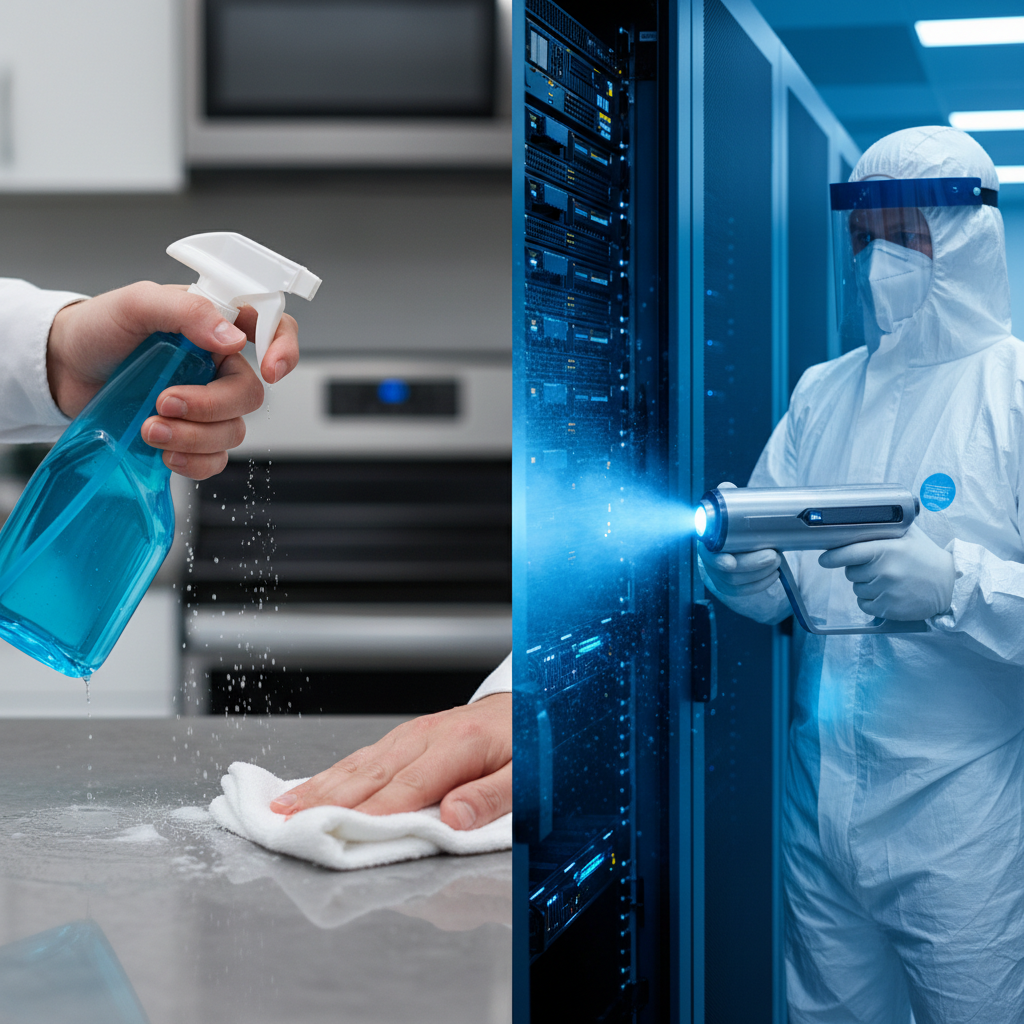
- Comparing Disinfection and Basic Cleaning
- When to Schedule Professional Disinfection
- Our Certified Disinfection Specialists
- Frequently Asked Questions
- Conclusion
What Are Disinfection Services and How Do They Work?
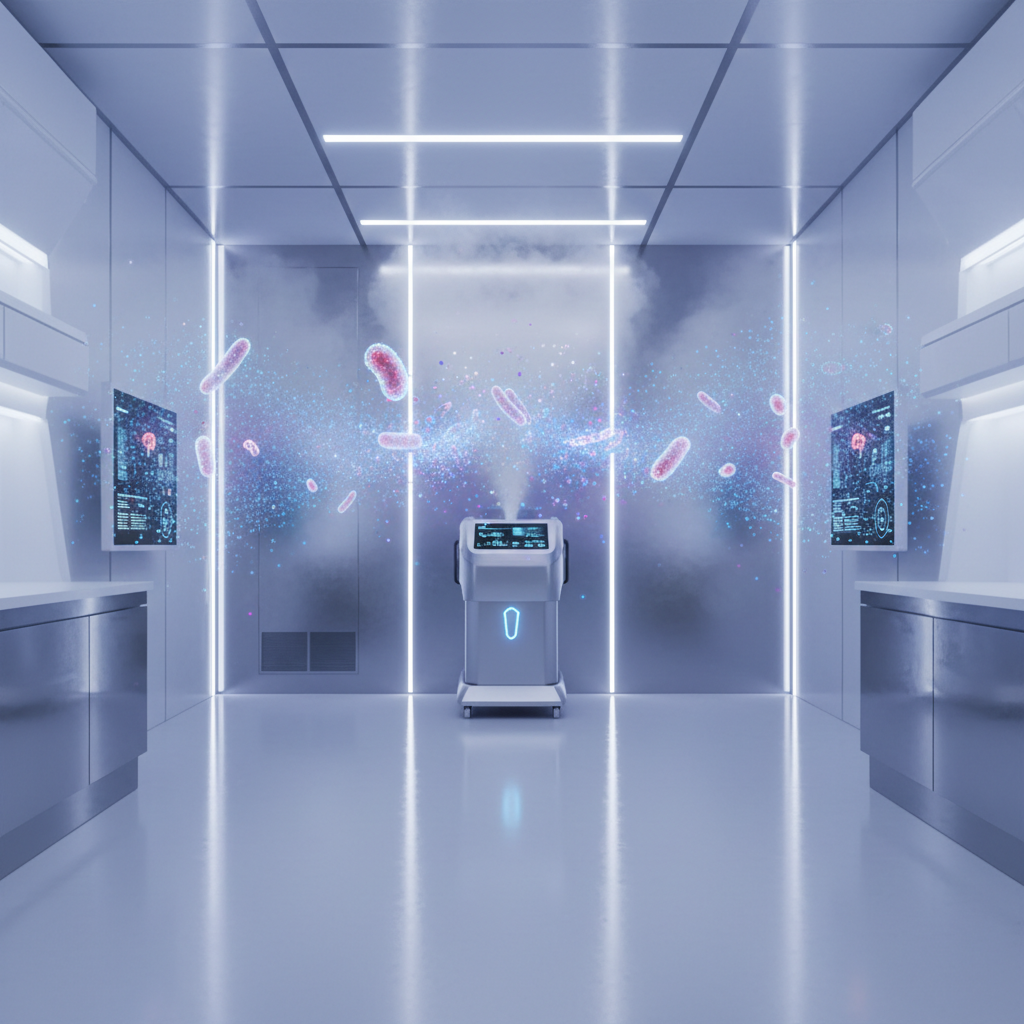
Disinfection services involve the application of chemical agents to surfaces to destroy or inactivate disease-causing microorganisms, such as bacteria, viruses, and fungi. Unlike simple cleaning, which removes dirt and grime, disinfection specifically targets and eliminates pathogens, significantly reducing the risk of infection. Professional providers employ industry-grade disinfectants and specialized equipment to ensure thorough coverage and efficacy.
The typical process begins with a preliminary assessment of the area to identify high-touch surfaces and potential problem zones. Following this, the space is often cleaned to remove organic matter that could hinder the disinfectant’s action. Disinfectants are then applied using various methods, including spraying, wiping, or fogging, depending on the size and nature of the area. These agents are left to dwell for a specified contact time to ensure maximum germicidal effect before the space is ventilated, if necessary. According to the U.S. Centers for Disease Control and Prevention (CDC), proper disinfection protocols can reduce the presence of surface pathogens by over 99.9%.
Targeted Areas for Disinfection: Homes vs. Offices
Disinfection services are vital for both residential and commercial settings, though the specific areas and strategies may differ. Both environments share common high-touch points, but the scale, traffic, and regulatory requirements vary.
Home Disinfection Singapore
Home disinfection Singapore focuses on creating a safe and healthy living space for families, particularly crucial for households with children, the elderly, or immunocompromised individuals. Key areas include:
- Kitchens: Countertops, sinks, refrigerator handles, and appliance surfaces.
- Bathrooms: Toilets, faucets, shower areas, and door handles.
- Living Areas: Light switches, remote controls, doorknobs, and often-touched furniture.
- Bedrooms: Nightstands, lamps, and other personal items.
The goal is to prevent the spread of common household illnesses like colds, flu, and stomach viruses.
Commercial Disinfection Singapore
Commercial disinfection Singapore aims to protect employees, customers, and visitors, ensuring business continuity and compliance with health regulations. The economic impact of illness-related absenteeism can be substantial, estimated at billions globally each year. Key areas in commercial settings include:
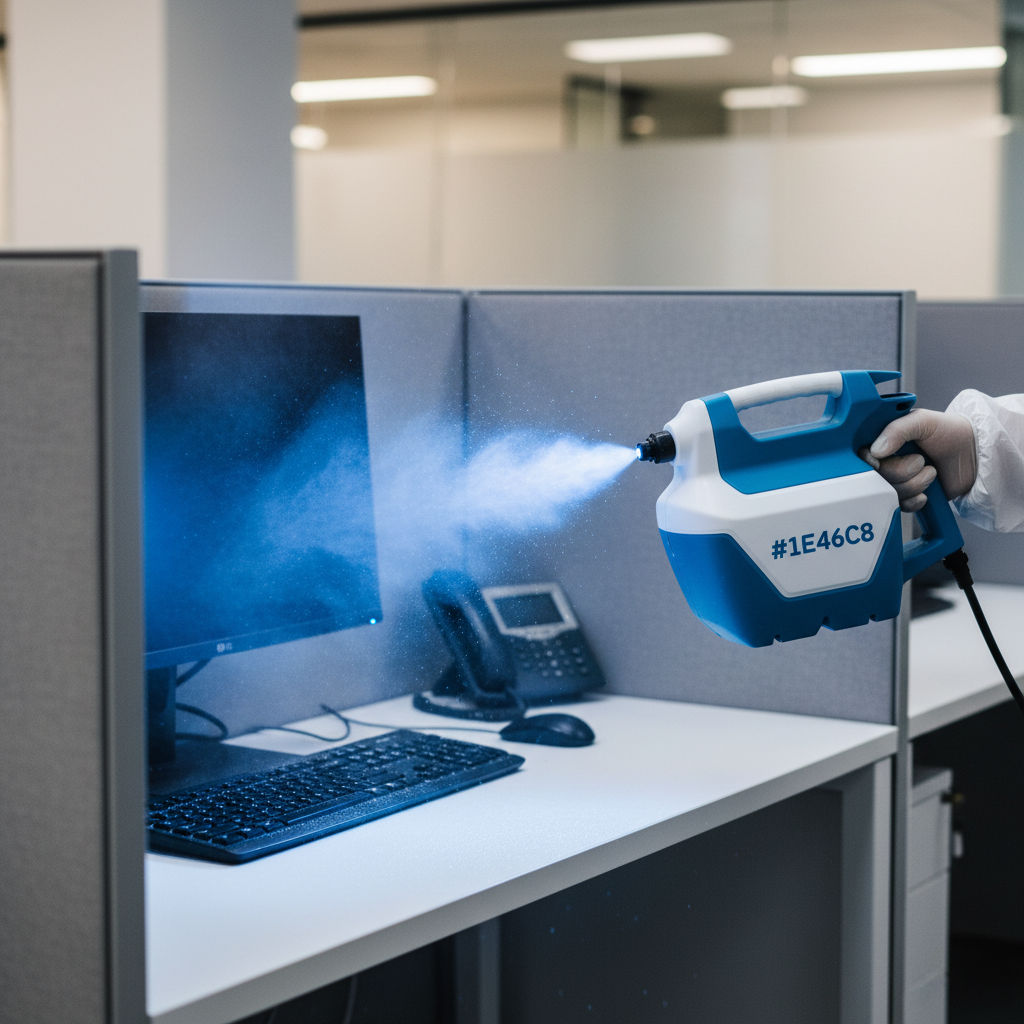
- Workstations: Desks, keyboards, mice, and telephones.
- Common Areas: Break rooms, restrooms, meeting rooms, reception areas, and elevators.
- High-Traffic Zones: Entrances, hallways, stair railings, and shared equipment.
- Specialty Areas: Healthcare facilities, schools, and F&B establishments require even more stringent disinfection protocols.
Professional services reduce the spread of workplace illnesses, improve employee morale, and demonstrate a commitment to public health.
Cleatra’s Advanced Disinfection Techniques and Solutions
Cleatra employs cutting-edge techniques and EPA (Environmental Protection Agency) approved, hospital-grade disinfectants to deliver superior disinfection results. Our approach is designed for maximum effectiveness and safety.
Specialized Disinfection Equipment
- Electrostatic Sprayers: These devices electrically charge disinfectant droplets, causing them to cling to surfaces more effectively and wrap around objects, ensuring comprehensive coverage even on hard-to-reach areas. This method is highly efficient, using less solution while achieving better results.
- ULV (Ultra-Low Volume) Foggers: ULV foggers generate a fine mist of disinfectant particles that can penetrate small cracks and crevices, ideal for large areas and for sterilizing the air as well as surfaces. This technique effectively covers expansive spaces quickly and efficiently.
- Steam Cleaners: For certain surfaces, high-temperature steam can kill germs without chemicals, offering an eco-friendly option. This is particularly useful for upholstery and areas sensitive to chemical residues.
Approved Disinfectant Solutions
We utilize broad-spectrum disinfectants that are effective against a wide range of pathogens, including viruses like SARS-CoV-2 (responsible for COVID-19), bacteria such as E. coli and Salmonella, and various fungi. Our solutions are selected for their efficacy, safety for occupants, and minimal environmental impact. They are non-corrosive and leave no harmful residues when applied correctly.
Key Insight: The efficacy of a disinfection service heavily relies on the appropriate selection of disinfectant agents and application methods. For example, electrostatic spraying is 70% more efficient in coverage compared to traditional spray-and-wipe methods for uneven surfaces.
Benefits of Regular Disinfection for Health and Safety
Regular professional disinfection offers a multitude of benefits that extend beyond simply preventing illness. It contributes to a safer, more productive, and more pleasant environment.
Reduced Risk of Illness Transmission
The most significant benefit is the drastic reduction in the spread of infectious diseases. By eliminating pathogens from surfaces, disinfection breaks the chain of transmission for common illnesses like colds, flu, and gastroenteritis, as well as more serious threats like COVID-19. This is especially critical in public-facing businesses and shared living spaces.
Improved Indoor Air Quality
While primarily surface-focused, professional disinfection can also enhance indoor air quality by reducing airborne pathogens when methods like fogging are employed. It also eliminates odor-causing bacteria and fungi, leading to a fresher-smelling environment.
Enhanced Peace of Mind and Productivity
For businesses, providing a visibly and measurably clean and disinfected environment boosts employee confidence and morale, leading to reduced absenteeism and increased productivity. For homeowners, it offers peace of mind knowing that living spaces are safe for family members. A 2023 study by Deloitte found that companies prioritizing employee well-being, including a healthy workspace, experienced 30% higher productivity.
Comparing Disinfection and Basic Cleaning
Understanding the distinction between disinfection and basic cleaning is crucial. While both are important for hygiene, they serve different primary functions.
| Feature | Basic Cleaning | Disinfection Services |
|---|---|---|
| Primary Goal | Remove visible dirt, dust, and debris | Kill or inactivate pathogens (bacteria, viruses) |
| Methods Used | Wiping, scrubbing, vacuuming, mopping with soap/water | Applying chemical disinfectants, fogging, electrostatic spraying |
| Effectiveness | Reduces some germs but doesn’t eliminate them | Destroys over 99.9% of germs identified on products |
| Key Tools | Rags, sponges, mops, general-purpose cleaners | Specialized sprayers, ULV foggers, hospital-grade disinfectants |
| Safety Impact | Improves appearance, reduces allergens | Prevents spread of infectious diseases |
| Regulatory Need | Not typically regulated for germ efficacy | Often aligned with health and safety guidelines |
Basic cleaning is often a prerequisite for effective disinfection, as organic matter can interfere with the disinfectant’s ability to kill germs. Disinfection takes hygiene to the next level by actively sanitizing surfaces.
When to Schedule Professional Disinfection
Determining the right frequency for sanitization services Singapore depends on several factors, including the type of environment, foot traffic, and recent health concerns.
Regular Scheduled Disinfection
For high-traffic commercial spaces like offices, retail stores, or educational institutions, regular disinfection – perhaps weekly or bi-weekly – is highly recommended. Homes, especially those with pets, young children, or allergy sufferers, might benefit from monthly or quarterly services. This proactive approach helps maintain a consistently high level of hygiene.
After Illness Outbreaks
Immediately after an illness outbreak (e.g., flu, norovirus, or COVID-19 case) in a home or office, professional disinfection is critical. This reactive measure helps contain the spread and prevents further infections. COVID-19 cleaning services became particularly vital during the pandemic, employing specific protocols for viral eradication.
Before and After Special Events
Planning a large gathering at home or in an event space? Disinfecting both before and after ensures a clean slate and minimizes germ transmission among guests. This also applies to businesses hosting conferences or large meetings.
Move-In/Move-Out and Post-Renovation
When moving into a new home or office, a thorough disinfection ensures the space is truly clean and healthy from day one. Similarly, after renovation, disinfection removes construction dust and any accumulated germs, making the space safe for occupancy.
Key Insight: While the World Health Organization (WHO) outlines general guidelines for disinfection, the specific approach for COVID-19 cleaning services often involves a multi-layered strategy focusing on contact time, proper PPE, and waste disposal to ensure complete viral inactivation.
Our Certified Disinfection Specialists
Cleatra’s commitment to delivering top-tier disinfection services Singapore is underpinned by our team of highly trained and certified specialists.
Our technicians undergo rigorous training that covers:
- Pathogen Identification: Understanding common bacteria, viruses, and fungi.
- Disinfectant Chemistry: Knowledge of different types of disinfectants, their active ingredients, and appropriate application.
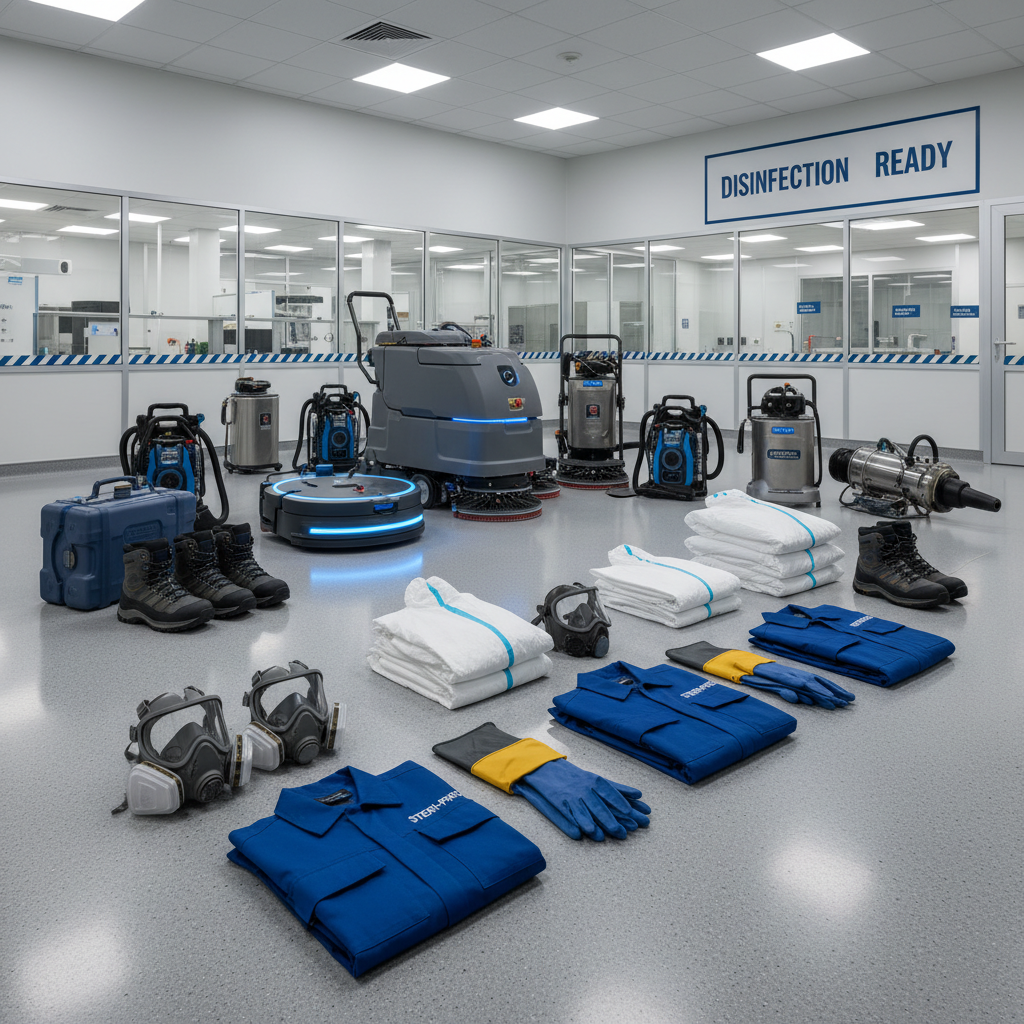
- Equipment Operation: Proficiency in using advanced tools like electrostatic sprayers and ULV foggers.
- Safety Protocols: Adherence to strict Personal Protective Equipment (PPE) guidelines and safety procedures to protect both themselves and clients.
- Waste Management: Proper disposal of contaminated materials.
Each specialist is also regularly updated on the latest industry standards and public health guidelines, ensuring that our services remain at the forefront of cleanliness and safety. This expertise allows us to provide reliable, efficient, and effective disinfection tailored to various needs.
Frequently Asked Questions
What safety precautions do your specialists take during disinfection?
Our specialists wear full Personal Protective Equipment (PPE) including gloves, masks, eye protection, and often coveralls. They also ensure proper ventilation during and after treatment and follow strict safety protocols for handling and applying disinfectants.
How long does disinfection take, and when can I re-enter the space?
The duration depends on the size of the area and the chosen method. Typically, a standard residential disinfection might take 1-2 hours, while commercial spaces can vary. Re-entry times usually range from 30 minutes to a few hours, depending on the disinfectant used and ventilation, which will be communicated clearly by our team.
Are the disinfectants used safe for pets and children?
We primarily use EPA-approved, hospital-grade disinfectants that, once settled and dried, are generally safe for occupants, including children and pets. Our team will advise on specific precautions and re-entry times to ensure complete safety and minimal risk.
How often should I get disinfection services for my office?
For most offices, a monthly or quarterly disinfection is recommended to maintain a high level of hygiene, especially in high-traffic areas. During flu season or in times of increased illness, a bi-weekly service might be beneficial.
Can disinfection services eliminate mold?
While some disinfectants have fungicidal properties, professional mold remediation often requires a more specialized approach to address the root cause of mold growth, such as moisture control. Disinfection can help kill surface mold spores but isn’t a standalone solution for extensive mold issues.
Is there a difference between sanitizing and disinfecting?
Yes, sanitizing reduces the number of bacteria on a surface to a safe level, as judged by public health standards. Disinfecting kills nearly all bacteria and viruses identified on a product label, offering a higher level of germ elimination. Our services primarily focus on disinfection for maximum health protection.
Conclusion
Ensuring a thoroughly disinfected environment is no longer just an option but a necessity in Singapore’s bustling urban landscape. From protecting your family at home to safeguarding your employees and customers in the workplace, professional disinfection services play a critical role in public health and well-being. By choosing Cleatra, you opt for advanced techniques, certified specialists, and a commitment to creating genuinely germ-free spaces. Invest in disinfection services Singapore today and experience the peace of mind that comes with a cleaner, healthier, and safer environment for all.