
Essential Eco-Friendly Cleaning Supplies for a Sustainable Home
Establishing an eco friendly cleaning supplies toolkit is a practical step towards a healthier home and a more sustainable lifestyle. These products are designed to clean effectively without introducing harmful chemicals into your living space or the environment, offering a responsible alternative to traditional cleaning agents. By choosing green cleaning products, you contribute to a cleaner planet while ensuring the well-being of your household.
Quick Answer:
- Eco-friendly cleaning supplies reduce toxic exposure, minimize environmental impact, and support ethical brands.
- Key categories include all-purpose, specialty, laundry, and dishwashing cleaners, often available as concentrates or in refillable formats.
- Sustainable tools like microfiber cloths, natural sponges, and refillable spray bottles enhance green cleaning practices.
- Look for ingredient transparency, certifications, and sustainable packaging when purchasing.
- Simple DIY eco-friendly cleaners can be made using common household ingredients like vinegar, baking soda, and citrus.
Table of Contents
- Why Choose Eco-Friendly Cleaning Supplies?
- Healthier Indoor Environment
- Reduced Environmental Impact
- Support for Ethical and Responsible Brands
- Key Categories of Eco-Friendly Cleaning Supplies
- All-Purpose Cleaners
- Specialty Cleaners
- Laundry and Dishwashing Products
- Sustainable Cleaning Tools and Accessories
- Microfiber Cloths
- Natural Sponges and Brushes
- Recycled/Biodegradable Trash Bags
- Spray Bottles
- What to Look for When Buying Eco-Friendly Supplies
- Ingredient Transparency and Certifications
- Minimal and Sustainable Packaging
- Longevity and Reusability of Tools
- DIY Eco-Friendly Cleaning Supplies You Can Make
- Vinegar-Based Sprays
- Baking Soda Pastes
- Citrus Infused Cleaners
- Cleatra’s Commitment to Using Sustainable Supplies
- Frequently Asked Questions
- Conclusion
Why Choose Eco-Friendly Cleaning Supplies?
Choosing eco-friendly cleaning supplies is a decision that benefits personal health, the environment, and supports responsible business practices. These non-toxic cleaning essentials are formulated to provide effective cleaning without the harsh side effects often associated with conventional products.
Healthier Indoor Environment
Eco-friendly cleaning supplies contribute to a healthier indoor environment by reducing exposure to volatile organic compounds (VOCs) and other irritants. Traditional cleaning products often contain chemicals such as ammonia, chlorine bleach, and phthalates, which can trigger respiratory issues, skin irritation, and allergic reactions. According to a 2018 study published in the American Journal of Respiratory and Critical Care Medicine, using cleaning sprays once a week significantly increased the risk of developing asthma over 20 years. Conversely, green cleaning products use biodegradable ingredients derived from natural sources, minimizing airborne toxins and odors in your home.
Reduced Environmental Impact
Reduced environmental impact is a primary benefit of opting for green cleaning products, as they are designed to be biodegradable and free from harsh chemicals that can harm ecosystems. When conventional cleaners are washed down drains, they can contaminate water sources, disrupt aquatic life, and contribute to algal blooms due to phosphates. Sustainable cleaning tools and products minimize this footprint by using plant-based ingredients that break down safely, and by avoiding ingredients known to be persistent pollutants. This commitment helps protect biodiversity and water quality in local and global environments.

Support for Ethical and Responsible Brands
Supporting ethical and responsible brands is an inherent advantage when purchasing eco-friendly cleaning supplies, as these companies often prioritize fair labor practices, sustainable sourcing, and cruelty-free production. Many eco-conscious brands are transparent about their supply chain, ensuring that ingredients are ethically sourced and that workers are treated fairly. Additionally, such companies frequently invest in sustainable manufacturing processes, reduce waste, and use cruelty-free testing methods. This choice helps drive market demand for more ethical business models across the industry.
Key Insight: The shift towards eco-friendly cleaning isn’t just about switching products; it’s a holistic movement influencing personal health, environmental stewardship, and ethical consumerism, directly challenging the norm of chemical-laden household maintenance.
| Feature Area | Conventional Cleaning Supplies | Eco-Friendly Cleaning Supplies |
|---|---|---|
| Ingredients | Synthetic chemicals (ammonia, bleach, phosphates) | Plant-based, biodegradable ingredients, natural minerals |
| Health Impact | VOCs, allergens, irritants; potential respiratory risk | Non-toxic, hypoallergenic, safer for skin and lungs |
| Environmental | Water pollution, non-biodegradable waste, resource depletion | Biodegradable, reduced water pollution, sustainable sourcing |
| Packaging | Often single-use plastics, non-recyclable | Recycled, recyclable, refillable options, concentrates |
| Animal Testing | Common for many brands | Typically cruelty-free |
| Certifications | Few, often manufacturer’s own | Third-party certified (e.g., Green Seal, Ecocert, EPA Safer Choice) |
Key Categories of Eco-Friendly Cleaning Supplies
Understanding the key categories of eco-friendly cleaning supplies helps consumers make informed choices for every cleaning need in their home. These categories often mirror traditional cleaning product types but with a focus on sustainable ingredients and packaging.
All-Purpose Cleaners
All-purpose cleaners are versatile solutions designed to tackle dirt and grime on various surfaces throughout the home, from countertops to floors, and are a staple in any green cleaning regimen. Many eco-friendly versions come as concentrates or tablets, which are dissolved in water, significantly reducing packaging waste and transportation emissions. These products typically use plant-derived surfactants and natural acids (like citric acid) instead of harsh chemicals, making them safe for everyday use around children and pets while still offering effective cleaning power.
Specialty Cleaners
Specialty cleaners in the eco-friendly range address specific cleaning challenges, such as those found in bathrooms, on glass surfaces, and different floor types.
- Bathroom Cleaners: Often formulated with natural disinfectants like essential oils (e.g., tea tree oil) and acids (e.g., lactic acid) to combat mold, mildew, and soap scum without corrosive fumes.
- Glass Cleaners: Typically alcohol-free and ammonia-free, using plant-based ingredients for streak-free shine, preventing the release of VOCs into the air.
- Floor Cleaners: Designed for specific floor types (wood, tile, laminate), these cleaners use gentle, biodegradable ingredients that won’t strip finishes or leave toxic residues.

Laundry and Dishwashing Products
Eco-friendly laundry and dishwashing products offer effective cleaning while minimizing chemical exposure and environmental pollution from household chores. For laundry, eco-conscious detergents often feature plant-derived enzymes and minerals to break down stains and odors, and they are typically free from phosphates, artificial dyes, and optical brighteners which can irritate skin and harm aquatic ecosystems. Similarly, eco-friendly dish soaps and dishwasher detergents utilize plant-based surfactants and natural degreasers, ensuring dishes are clean without leaving behind chemical residues or contributing to water contamination. Many are available in concentrated forms or dissolvable pods to further reduce their environmental footprint.
Sustainable Cleaning Tools and Accessories
Incorporating sustainable cleaning tools and accessories into your routine is as crucial as choosing eco-friendly cleaning supplies to achieve a truly green home. These tools are designed for durability, reusability, and biodegradability, enhancing your cleaning efficiency while minimizing waste.
Microfiber Cloths
Microfiber cloths are highly effective cleaning tools made from synthetic fibers, valued for their ability to trap dirt, dust, and grime without harsh chemicals. While traditional microfiber is plastic-based, its sustainability comes from its reusability and longevity; a single cloth can be washed hundreds of times, significantly reducing the need for disposable paper towels. When opting for microfiber, consider brands that offer cloths made from recycled materials or those designed for maximum durability to extend their lifecycle. A study by the EPA has shown that microfiber can remove up to 99% of bacteria from surfaces, making them excellent for chemical-free cleaning.
Natural Sponges and Brushes
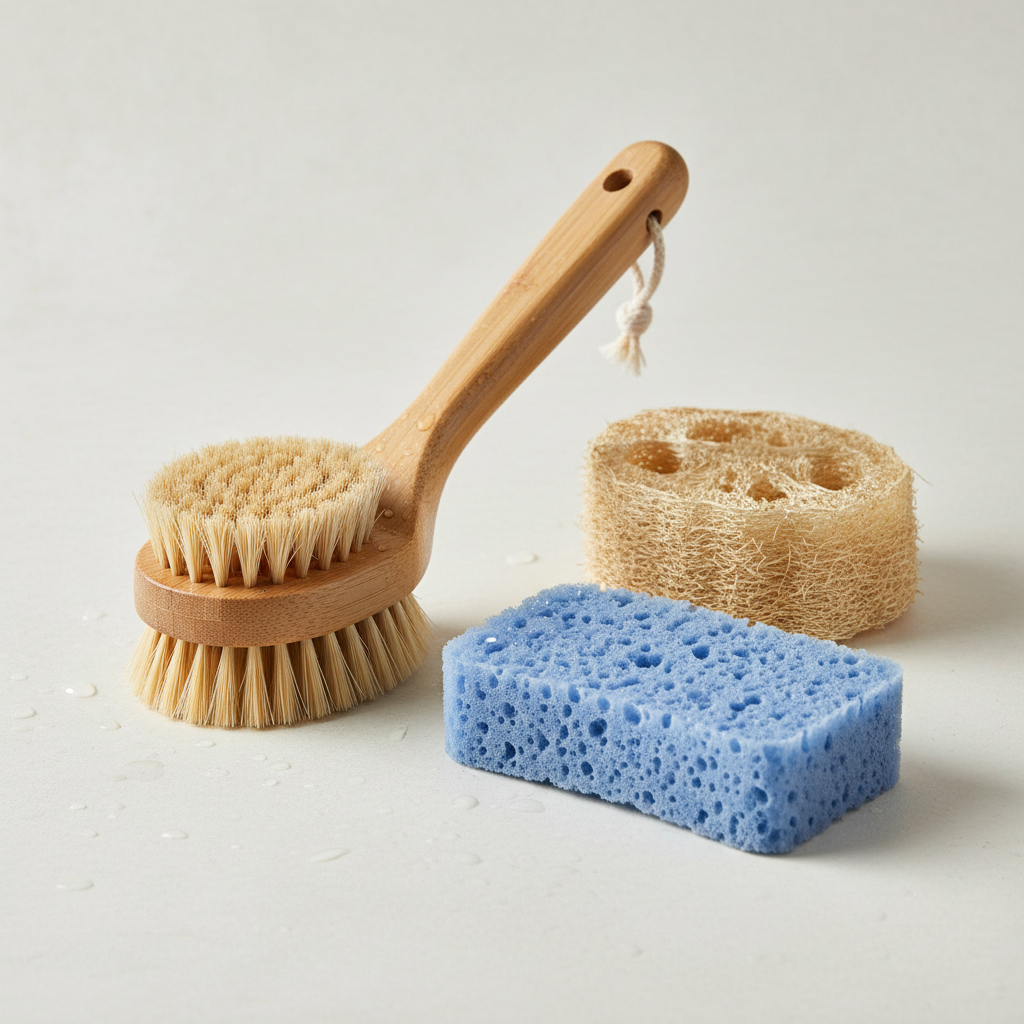
Natural sponges and brushes, often made from materials like loofah, cellulose, bamboo, or wood, offer a completely biodegradable alternative to plastic-based cleaning scrubbers. Loofah sponges, derived from the luffa plant, are excellent for scrubbing dishes and surfaces, while bamboo brushes provide sturdy bristles for tougher cleaning tasks. These natural cleaning equipment options are durable, plant-based, and decompose naturally at the end of their lifespan, preventing microplastic pollution associated with synthetic sponges.
Recycled/Biodegradable Trash Bags
Using recycled/biodegradable trash bags is a simple yet impactful way to complete your sustainable cleaning setup. Recycled trash bags are made from post-consumer plastics, diverting waste from landfills and reducing the demand for new plastic production. Biodegradable or compostable bags, typically derived from plant starches, break down naturally under specific conditions, returning to the earth without leaving behind harmful residues. Selecting these options helps manage household waste responsibly, aligning with broader environmental goals.
Spray Bottles
Spray bottles that are refillable are an indispensable tool for eco-friendly cleaning, significantly reducing plastic waste from single-use cleaner containers. Instead of buying new pre-filled bottles, you can purchase concentrates or bulk cleaning solutions, and then dilute them in your own durable, reusable spray bottles. This approach not only saves money in the long run but also drastically cuts down on the amount of plastic entering landfills. Many brands also offer glass spray bottles, which are an even more sustainable and chemical-resistant option.
What to Look for When Buying Eco-Friendly Supplies
When purchasing eco-friendly cleaning supplies, discerning consumers should prioritize several key factors to ensure they are genuinely making sustainable and healthy choices. It extends beyond just the product inside the bottle to include how it’s packaged and the overall life cycle.
Ingredient Transparency and Certifications
Ingredient transparency and recognized certifications are crucial indicators of a truly eco-friendly product. Reputable brands will clearly list all ingredients, avoiding vague terms like “fragrance” which can hide undisclosed chemicals. Look for third-party certifications such as EPA Safer Choice, Green Seal, Ecocert, or Leaping Bunny (for cruelty-free products), as these signify that products have undergone rigorous testing and meet strict environmental and health standards. These certifications provide an unbiased verification that a product is indeed safer for human health and the environment according to specific criteria.
Key Insight: A truly eco-friendly cleaning product isn’t just “natural”; it’s scientifically vetted for safety and environmental impact, with certifications offering reliable proof beyond marketing claims.
Minimal and Sustainable Packaging
Choosing products with minimal and sustainable packaging is a vital aspect of reducing your environmental footprint. This means favoring items in recycled or recyclable materials, compostable packaging, or concentrated formulas that require smaller containers. The rise of refillable options and package-free stores for cleaning products is a testament to the growing demand for solutions that prevent plastic waste. According to a 2023 report by the Plastic Waste Innovation Hub, packaging accounts for nearly 40% of all plastic waste generated. Opting for less packaging or packaging made from renewable resources directly combats this pervasive issue.
Longevity and Reusability of Tools
The longevity and reusability of tools are key factors defining their eco-friendliness, as durable items reduce the frequency of replacement and overall waste. When selecting natural cleaning equipment like brushes, sponges, or cloths, assess their construction and materials to ensure they can withstand repeated use and washing. For instance, a high-quality bamboo brush or a well-made microfiber cloth designed for hundreds of washes will outperform and be more sustainable than several disposable alternatives. Investing in durable, reusable tools minimizes waste and resource consumption over time.
DIY Eco-Friendly Cleaning Supplies You Can Make
Creating your own DIY eco-friendly cleaning supplies is a cost-effective and highly customizable way to ensure your home is cleaned with non-toxic ingredients. Many effective cleaners can be made using common household staples, allowing you to control exactly what goes into your products.
Vinegar-Based Sprays
Vinegar-based sprays are powerful natural disinfectants and degreasers, making them ideal for all-purpose cleaning tasks around the home. White vinegar, with its acetic acid content of about 5%, effectively dissolves mineral deposits, cuts through grease, and inhibits the growth of mold and mildew. To make a simple all-purpose cleaner, mix equal parts white vinegar and water in a spray bottle. For an enhanced cleaning boost and a more pleasant scent, you can add 10-15 drops of essential oils like lemon, tea tree, or lavender. This solution works wonders on countertops, glass (avoid on natural stone like marble or granite), and chrome fixtures.

Baking Soda Pastes
Baking soda pastes are effective non-abrasive scrubbers and deodorizers, perfect for tackling tough stains without scratching surfaces. Baking soda (sodium bicarbonate) is a mild alkali that helps to break down grime and neutralize odors. To create a paste, simply mix baking soda with a small amount of water until it forms a spreadable consistency. This paste can be applied to sinks, bathtubs, tile grout, or even tarnished metal. Let it sit for a few minutes before scrubbing with a brush or sponge and rinsing thoroughly. It’s particularly useful for removing sticky residues or light rust stains.
Citrus Infused Cleaners
Citrus infused cleaners, made by steeping citrus peels in vinegar, combine the degreasing power of vinegar with the refreshing scent and d-Limonene properties found in citrus. D-Limonene is a natural solvent that can help lift grease and grime. To make one, simply fill a jar with orange, lemon, or grapefruit peels, then cover them completely with white vinegar. Seal the jar and let it sit for two to four weeks in a cool, dark place. Once infused, strain out the peels and dilute the citrus-infused vinegar with equal parts water to use as an all-purpose cleaner. This not only creates a potent cleaner but also repurposes fruit waste, embodying zero-waste principles.
Cleatra’s Commitment to Using Sustainable Supplies
Cleatra is committed to integrating sustainable cleaning supplies into all our services, reflecting our dedication to environmental responsibility and the well-being of our clients. We understand that effective cleaning does not require harsh chemicals, and our choice of products substantiates our professional, reliable, and affordable service promise. Our selection process prioritizes eco friendly cleaning supplies that are third-party certified, biodegradable, and derived from natural, renewable resources. This commitment ensures that when Cleatra cleans your home or office, we contribute to a healthier indoor environment free from harmful toxins, while simultaneously minimizing our ecological footprint. We regularly research and update our inventory to incorporate the latest advancements in green cleaning products and sustainable cleaning tools, ensuring our clients benefit from the best and most current environmentally friendly solutions available in Singapore.
Frequently Asked Questions
What are the main benefits of using eco-friendly cleaning products?
The main benefits of using eco-friendly cleaning products include a healthier indoor environment due to fewer toxins, reduced environmental impact from biodegradable ingredients, and support for ethical brands that prioritize sustainable practices and fair labor. These products are safer for families and pets.
Are eco-friendly cleaning supplies as effective as traditional ones?
Yes, eco-friendly cleaning supplies are often just as effective as traditional ones, and in many cases, they can be even better at tackling specific types of dirt or stains without the harsh chemicals. Advances in green chemistry have led to powerful, plant-based formulations that deliver excellent cleaning results.
What should I look for on a label to confirm a product is truly eco-friendly?
To confirm a product is truly eco-friendly, look for clear ingredient transparency, avoiding vague terms, and seek out third-party certifications like EPA Safer Choice, Green Seal, or Ecocert. Also, check for minimal packaging made from recycled or recyclable materials, and indications of cruelty-free testing.
How can I make my own eco-friendly cleaning solutions at home?
You can easily make eco-friendly cleaning solutions at home using ingredients like white vinegar, baking soda, and citrus peels. For example, an all-purpose spray can be made with equal parts vinegar and water, or a scrubbing paste with baking soda and a little water.
Do eco-friendly cleaning products cost more than conventional ones?
While the upfront cost of some eco-friendly cleaning products might sometimes be slightly higher, many are sold as concentrates or in larger refill sizes, which can make them more cost-effective in the long run. Additionally, making your own DIY solutions is often significantly cheaper than purchasing conventional cleaners.
Can eco-friendly cleaners be used on all surfaces?
Most eco-friendly cleaners are gentle and safe for a wide variety of surfaces. However, like traditional cleaners, some natural ingredients have specific limitations; for instance, vinegar can etch natural stone like marble or granite. Always check product labels or test DIY solutions on an inconspicuous area first.
Conclusion
Embracing eco friendly cleaning supplies is a tangible step towards fostering a healthier home environment and a more sustainable future. By choosing products that prioritize non-toxic ingredients, minimal environmental impact, and ethical sourcing, you contribute to your family’s well-being and the planet’s health. The availability of effective green cleaning products, from all-purpose solutions to specialized tools, means that making this transition is both simple and practical. Whether you opt for certified store-bought products or craft your own natural cleaning equipment, the power to clean smart and live green is within your reach.