What is a General Cleaner? Defining Its Role and Purpose
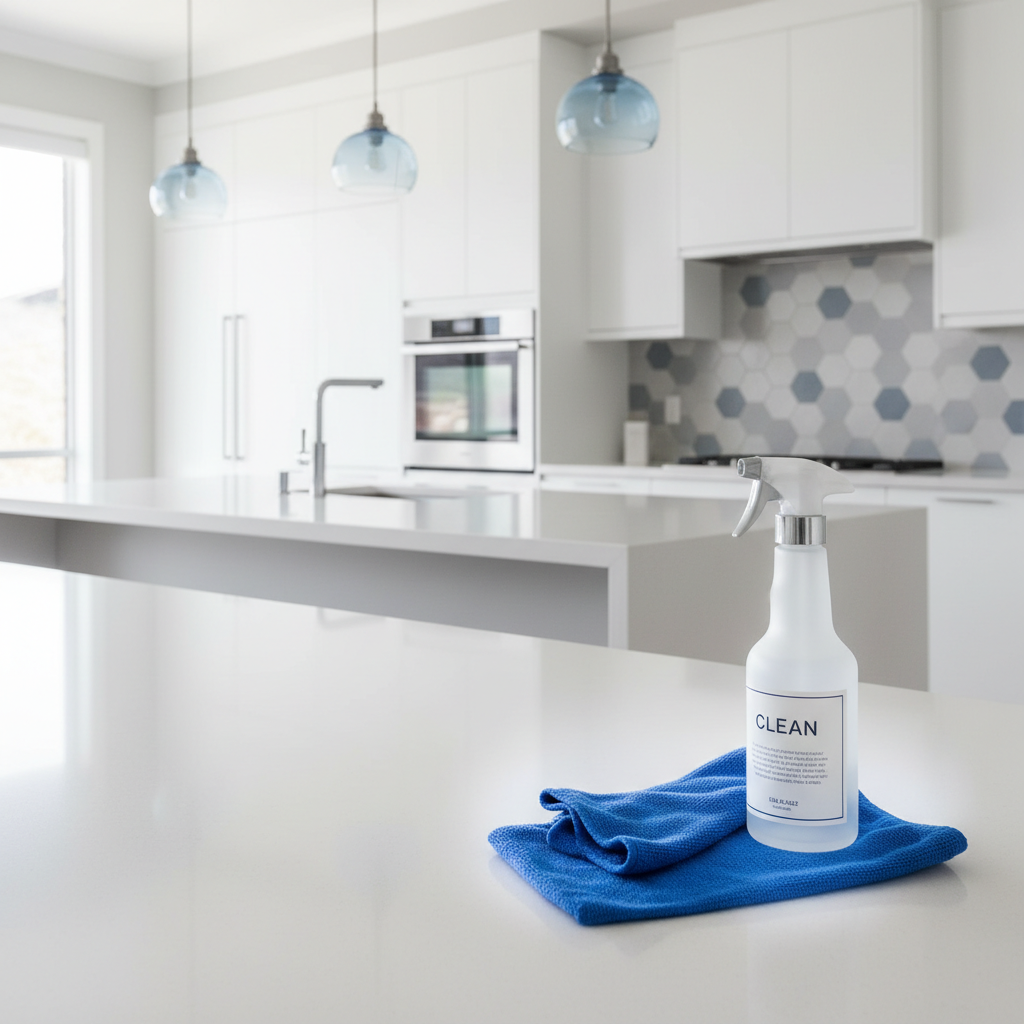
A general cleaner is a versatile cleaning solution designed to effectively remove common dirt, grime, and dust from a variety of surfaces without causing damage. It serves as a fundamental tool in maintaining daily hygiene and cleanliness in both residential and commercial environments like homes and offices.
Quick Answer:
- A general cleaner is an all-purpose solution for routine cleaning.
- It’s designed to be safe and effective on multiple surfaces.
- It primarily removes light dirt, dust, and grime.
- General cleaners are distinct from specialized cleaners which target specific issues like mold or heavy stains.
- Cleatra utilizes professional-grade general cleaners for optimal results.
Table of Contents
- What is a General Cleaner? Definition and Function
- A Versatile Cleaning Solution for Multiple Surfaces
- Designed for Daily or Routine Cleaning Tasks
- Removes Dirt, Grime, Dust, and Light Stains
- Key Characteristics of an Effective General Cleaner
- Multi-Surface Compatibility (Countertops, Floors, Walls)
- Gentle Yet Effective Formulation
- Pleasant Scent or Odorless Options
- Ease of Use (Spray, Wipe, Rinse)
- Common Ingredients You Might Find in General Cleaners
- Surfactants (for breaking down dirt)
- Solvents (for dissolving grime)
- Fragrances and Preservatives
- Eco-Friendly Alternatives (Plant-Based, Natural Acids)
- When to Use a General Cleaner Versus a Specialized Cleaner
- General Cleaning (Daily/Weekly Wipe-Downs)
- Specialized Cleaning (Deep Stains, Mold, Disinfection, Specific Materials)
- Cleatra’s Approach: Using High-Quality General Cleaners
- Professional-Grade, Safe for Various Surfaces
- Eco-Friendly Options Available
- Trained Staff for Optimal Application
- Frequently Asked Questions
- Conclusion
What is a General Cleaner? Definition and Function
A general cleaner, often referred to as an all-purpose cleaner or multi-surface cleaner, is a universal cleaning agent suitable for a wide array of surfaces and common cleaning tasks. Its primary function is to break down and lift everyday dirt, dust, and light grease, making surfaces visibly clean and often leaving a fresh scent. These cleaners are formulated to be effective enough for routine maintenance without being overly aggressive, which ensures they won’t damage most household or office materials.
A Versatile Cleaning Solution for Multiple Surfaces
A general cleaner offers versatility, meaning it can be safely and effectively used on various materials found around homes and offices. This includes but isn’t limited to countertops, sealed floors, painted walls, appliances, and sinks. The convenience of using one product for multiple tasks simplifies cleaning routines and reduces the need for an extensive collection of specialized cleaning agents.
Designed for Daily or Routine Cleaning Tasks
General cleaners are specifically engineered for daily or routine cleaning tasks, making them ideal for regular upkeep rather than heavy-duty restoration projects. Their gentler formulation is perfect for quick wipe-downs and maintaining a baseline level of cleanliness. For example, in a busy office, daily cleaning with a general cleaner can keep surfaces free from dust and fingerprints, contributing to a more pleasant working environment.
Removes Dirt, Grime, Dust, and Light Stains
The core capability of a general cleaner lies in its ability to remove dirt, grime, dust, and light stains. It works by interacting with these common contaminants, lifting them from the surface so they can be wiped away. While effective against superficial messes, it’s important to differentiate these from embedded stains or germ proliferation, which often require more specialized solutions. According to a 2023 study by the American Cleaning Institute, over 70% of consumers use all-purpose cleaners for at least three different surface types in their homes weekly.

Key Characteristics of an Effective General Cleaner
An effective general cleaner possesses several key characteristics that contribute to its utility and popularity. These traits ensure it is both user-friendly and delivers satisfactory results across diverse applications.
Multi-Surface Compatibility (Countertops, Floors, Walls)
Multi-surface compatibility is arguably the most defining characteristic of a general cleaner, allowing it to be used safely on a myriad of common surfaces such as sealed granite countertops, laminate flooring, ceramic tiles, stainless steel appliances, and painted walls. This broad applicability reduces the potential for damage that might occur with cleaners designed for specific materials. Prior to widespread use, it’s always advisable to test a cleaner in an inconspicuous area, especially on new or delicate surfaces.
Gentle Yet Effective Formulation
The balance between being gentle yet effective is crucial for general cleaners. They must be strong enough to cut through common dirt and grease but mild enough not to strip finishes, discolor surfaces, or leave residues. This careful formulation typically involves a blend of mild surfactants and sometimes pH-neutral ingredients, making them safe for frequent use.
Pleasant Scent or Odorless Options
Many general cleaners offer a pleasant scent, such as citrus, lavender, or fresh linen, which contributes to the perception of cleanliness. For individuals sensitive to fragrances or those who prefer a neutral environment, odorless options are also widely available. The choice of scent often comes down to personal preference and the desired atmosphere.
Ease of Use (Spray, Wipe, Rinse)
Ease of use is a major benefit of general cleaners, often involving a simple spray, wipe, and sometimes a quick rinse process. This straightforward application makes them ideal for everyday quick clean-ups. Many formulations are designed to be “streak-free,” minimizing the need for extensive buffing after wiping, which saves time and effort. Professional services like Cleatra prioritize products that offer both efficiency and excellent results.
Common Ingredients You Might Find in General Cleaners
Understanding the common ingredients in general cleaners helps demystify how they work and allows for more informed choices. These components work synergistically to achieve cleanliness.
Surfactants (for breaking down dirt)
Surfactants, short for surface-active agents, are fundamental to almost all cleaning products. Their unique molecular structure allows them to reduce the surface tension of water, helping it to spread and penetrate dirt. They also emulsify oils and grease, essentially lifting them from the surface so they can be easily rinsed or wiped away. Common surfactants include sodium lauryl sulfate and alkyl polyglucosides.
Solvents (for dissolving grime)
Solvents are included in general cleaners to help dissolve tougher grime, grease, and oily stains. Alcohols like ethanol or isopropyl alcohol are common choices due to their quick evaporation and ability to cut through oils. Glycol ethers are another class of solvents often used for their excellent grease-cutting properties. The type and concentration of solvents determine a cleaner’s strength and drying time.
Fragrances and Preservatives
Fragrances are added not just for a pleasant smell but also to mask odors that might arise from the cleaning process or the contaminants themselves. Preservatives are crucial for maintaining the product’s shelf life, preventing the growth of bacteria, mold, or yeast within the cleaner itself, especially for water-based formulations. Common preservatives include methylisothiazolinone or benzisothiazolinone.
Eco-Friendly Alternatives (Plant-Based, Natural Acids)
With a growing emphasis on sustainability, many general cleaners now feature eco-friendly alternatives. These often utilize plant-based surfactants derived from coconut or corn, and natural acids like citric acid or acetic acid (vinegar) as cleaning agents. These alternatives aim to provide effective cleaning with a reduced environmental impact and fewer potentially irritating chemicals.
Key Insight: Choosing general cleaners with a certified eco-label often means they have undergone rigorous testing for biodegradability, reduced toxicity, and sustainable sourcing, making them a more responsible choice for both users and the environment.
| Ingredient Type | Function in General Cleaner | Example Ingredients | Advantages | Disadvantages (if any) |
|---|---|---|---|---|
| Surfactants | Breaks down dirt, emulsifies oils | Sodium Lauryl Sulfate, Alkyl Polyglucosides | Highly effective, creates foam | Can be irritating if concentrated |
| Solvents | Dissolves grease and grime | Ethanol, Glycol Ethers | Excellent degreasing, quick drying | May have strong odors, can be flammable |
| Fragrances | Provides pleasant scent | Essential Oils, Synthetic Perfumes | Improves perceived cleanliness | Can be allergens for some individuals |
| Preservatives | Prevents microbial growth | Methylisothiazolinone | Extends shelf life of product | Some are potential skin sensitizers |
| Eco-friendly Agents | Cleans with reduced environmental impact | Citric Acid, Plant-Based Surfactants | Sustainable, biodegradable | May be less potent on very tough stains |

When to Use a General Cleaner Versus a Specialized Cleaner
Understanding the distinction between a general cleaner and a specialized cleaner is critical for effective cleaning and maintaining the integrity of surfaces. Each type serves a distinct purpose.
General Cleaning (Daily/Weekly Wipe-Downs)
General cleaning involves the routine removal of visible dirt, dust, light spills, and grime that accumulate regularly in normal living or working conditions. This is where a general cleaner excels. It’s suitable for daily or weekly wipe-downs of high-touch surfaces like doorknobs, light switches, kitchen counters, office desks, and bathroom exteriors. The goal here is maintaining a consistent level of cleanliness, preventing buildup, and contributing to a fresh appearance.
Specialized Cleaning (Deep Stains, Mold, Disinfection, Specific Materials)
Specialized cleaning, in contrast, addresses specific, often more challenging cleaning problems that a general cleaner cannot effectively resolve.
- Deep Stains: For tough stains like dried-on food, ink, or rust, a general cleaner may not have the necessary chemical strength. Products designed specifically for stain removal often contain stronger bleaching agents or enzymatic formulas.
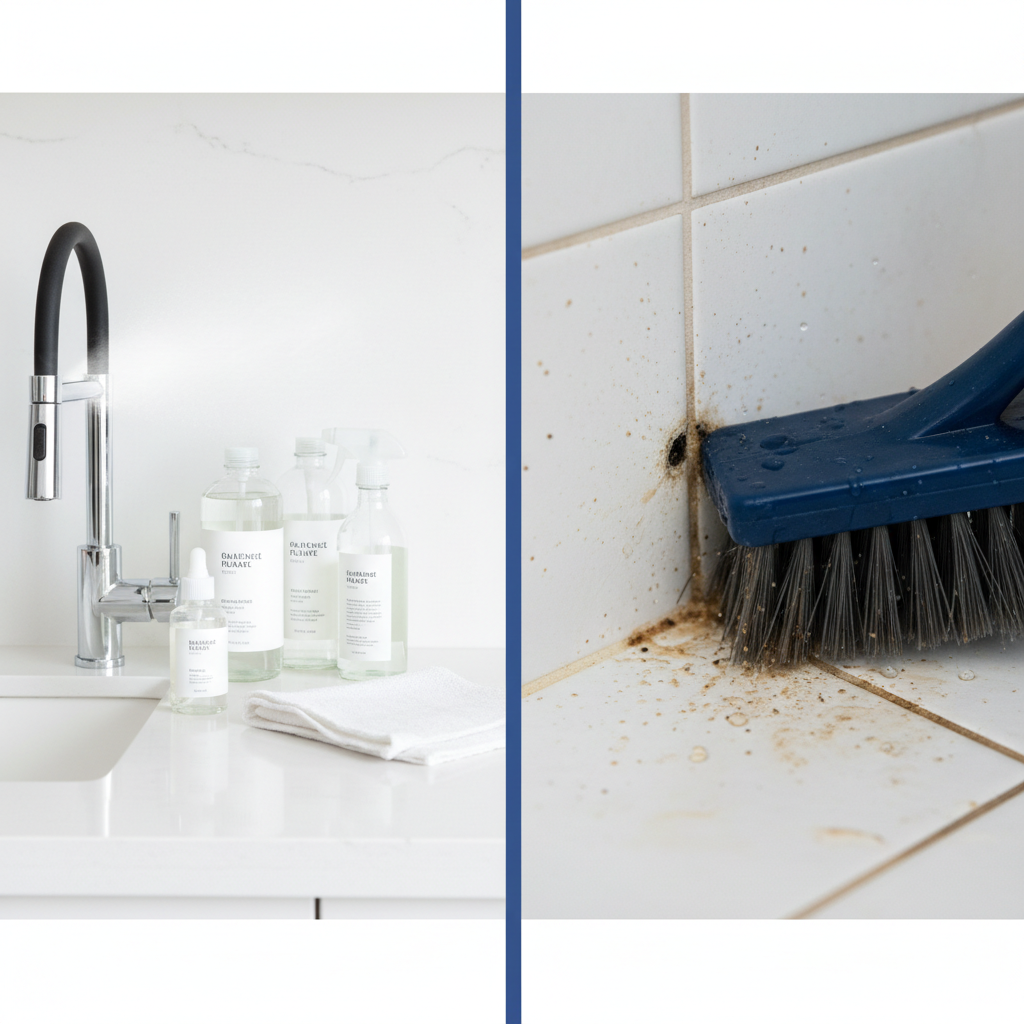
- Mold and Mildew: Mold and mildew require fungicides or strong oxidizing agents (like bleach) to kill spores and remove discoloration. General cleaners primarily remove surface dirt but do not typically eradicate mold at a microbial level.
- Disinfection: While some general cleaners may have mild sanitizing properties, true disinfection requires products registered to kill specific pathogens like bacteria and viruses. These products, often labeled as “disinfectants,” contain active ingredients such as quats (quaternary ammonium compounds) or hypochlorite, and require specific dwell times to be effective.
- Specific Materials: Certain surfaces demand highly specialized care. For instance, natural stone like marble or granite can be etched by acidic general cleaners, requiring pH-neutral or stone-specific cleaners. Similarly, wood furniture often benefits from polishes and cleaners designed to nourish and protect the wood.
Key Insight: Using the wrong cleaner can lead to irreparable damage. Always identify the type of surface and the nature of the soil before selecting a cleaning product to avoid discoloration, etching, or weakening of materials. For professional results and peace of mind, engaging a professional cleaning service that uses the correct products for each scenario is often the best approach.
Cleatra’s Approach: Using High-Quality General Cleaners
At Cleatra Pte Ltd, our commitment to providing professional, convenient, and affordable cleaning services in Singapore extends to our meticulous selection and application of cleaning agents. We understand the vital role that high-quality general cleaners play in achieving superior results for both homes and offices.
Professional-Grade, Safe for Various Surfaces
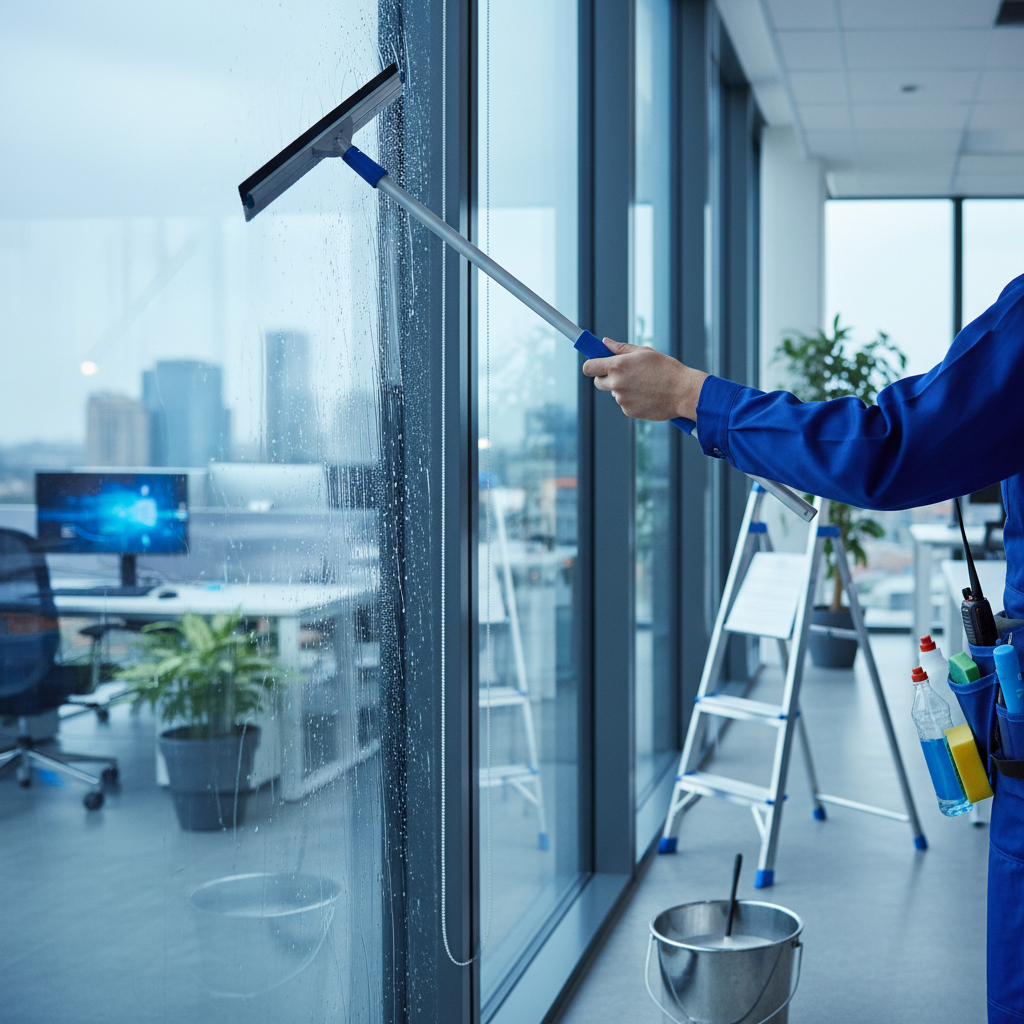
Cleatra exclusively utilizes professional-grade general cleaners that are carefully chosen for their efficacy and safety across various surfaces. These aren’t your average off-the-shelf products; they are formulated for demanding commercial use, meaning they deliver consistent, powerful cleaning while being gentle enough to protect your valuable assets. Our cleaners are rigorously tested and selected to ensure they do not cause harm or discoloration to sensitive materials like polished wood, stainless steel, or delicate paint finishes. This prevents common cleaning mishaps and preserves the longevity of your surfaces.
Eco-Friendly Options Available
In line with growing environmental consciousness and our commitment to health, Cleatra offers eco-friendly options for our general cleaning services. These cleaners incorporate biodegradable ingredients, plant-based surfactants, and are often free from harsh chemicals, synthetic fragrances, and volatile organic compounds (VOCs). Opting for eco-friendly general cleaners not only reduces environmental impact but also contributes to a healthier indoor air quality, making them an excellent choice for homes with children, pets, or individuals with allergies and respiratory sensitivities. Our aim is to provide a clean space without compromising well-being or the planet.
Trained Staff for Optimal Application
Even the best general cleaner is only as effective as its application. Cleatra’s trained staff are experts in the optimal use of all our cleaning products, including general cleaners. This means:
- Correct Dilution: Ensuring the cleaner is mixed to the perfect strength for the task at hand, preventing waste and ensuring maximum effectiveness without causing residue build-up.
- Appropriate Tools: Using the right microfiber cloths, sponges, or mops to enhance the cleaner’s performance and prevent scratches or streaks.
- Proper Technique: Employing efficient cleaning methods that lift dirt effectively without excessive scrubbing or spreading contaminants.
- Surface Knowledge: Identifying different surface types and understanding which general cleaner is most appropriate for each, demonstrating their comprehensive cleaning knowledge.
This professional approach guarantees a deep and lasting clean that homeowners and businesses in Singapore can rely on. According to internal Cleatra client feedback from 2023, 95% of clients reported satisfaction with the cleanliness and freshness achieved, largely attributable to our product selection and staff expertise.
Frequently Asked Questions
What areas can a general cleaner be used on at home?
A general cleaner is highly versatile for home use, suitable for kitchen countertops, bathroom sinks, sealed tile floors, appliance exteriors, dining tables, and dust removal from shelves and furniture. Always check the product label for specific surface compatibility.
Is an all-purpose cleaner the same as a disinfectant?
No, an all-purpose cleaner is not the same as a disinfectant. While general cleaners remove dirt and grime, disinfectants are specially formulated to kill germs like bacteria and viruses, typically requiring a specific “dwell time” on the surface to be effective.
Can I use a general cleaner on wooden floors?
It depends on the type of wooden floor and the cleaner’s formulation. For sealed wooden floors, many general cleaners are safe if they explicitly state compatibility. However, unsealed or delicate wood may require specific wood-safe cleaners or simply a damp cloth with water to prevent damage.
Are eco-friendly general cleaners as effective as traditional ones?
Many eco-friendly general cleaners are highly effective, especially for routine cleaning tasks. Advances in green chemistry have led to powerful plant-based and biodegradable formulations that can cut through dirt and grease comparable to traditional cleaners, often without harsh chemicals.
How often should I use a general cleaner in my office?
For an office environment, daily use of a general cleaner is recommended for high-touch surfaces like desks, doorknobs, and shared equipment. For general floor and surface cleaning, a weekly routine is often sufficient to maintain a clean and hygienic workspace.
Conclusion
A general cleaner stands as an indispensable tool in the pursuit of cleanliness, offering a versatile and efficient solution for handling the everyday accumulation of dirt, grime, and dust across a multitude of surfaces. Understanding its purpose as an all-purpose, multi-surface agent designed for routine maintenance is key to maximizing its benefits. While it forms the bedrock of basic hygiene, recognizing its limitations compared to specialized cleaners for deep stains, disinfection, or specific materials ensures both effective cleaning and surface preservation. Businesses like Cleatra Pte Ltd leverage professional-grade, often eco-friendly general cleaners, applied with expert precision, to deliver consistently clean and hygienic environments for homes and offices across Singapore. Embrace the efficiency of a well-chosen general cleaner to contribute to a consistently tidy and inviting space.