Achieving a Clean Renovation: Tips for a Dust-Free Project
A clean renovation is achievable by implementing proactive dust control measures, meticulous waste management, and professional post-renovation cleaning, ensuring your home or office remains as dust-free as possible throughout and after the project. This approach not only protects your health and belongings but also significantly reduces the time and cost associated with the final cleanup.
Quick Answer:
- Proactively minimize dust and debris from the project’s start.
- Isolate work areas and utilize HEPA filtration to contain particles.
- Work closely with your contractor to establish clean site practices.
- Understand the health and cost benefits of a dust-free renovation.
- Engage professional cleaners like Cleatra for a thorough post-renovation finish.
Table of Contents
- Why Aim for a ‘Clean’ Renovation?
- Minimize Health Hazards (Dust, Fumes)
- Protect Existing Furniture and Belongings
- Reduce Post-Renovation Cleaning Time and Cost
- Tips for Minimizing Dust and Debris During Renovation
- Isolate the Work Area (Plastic Sheeting, Zipper Barriers)
- Use HEPA Filters on Vacuums and Air Purifiers
- Regularly Damp Wipe Surfaces During Construction
- Proper Waste Management from Day One
- Consider Negative Air Pressure Systems
- Working with Your Contractor for a Cleaner Site
- Discuss Clean-Up Expectations Before Starting
- Ensure Proper Protection of Non-Work Areas
- Scheduled Daily/Weekly Tidying by Workers
- The Role of Professional Post-Renovation Cleaning
- Addressing Hidden Dust and Fine Particles
- Removing Stubborn Stains and Residues
- Ensuring a Truly Move-In Ready Finish
- When to Call Cleatra for Your Clean Renovation Finish
- Post-Construction Deep Clean for Every Surface
- Preparing for Handover or Move-In
- Frequently Asked Questions
- Conclusion
Why Aim for a ‘Clean’ Renovation?
Aiming for a clean renovation is crucial because it directly impacts health, preserves existing property, and reduces overall project costs and stress. Many homeowners and businesses underestimate the pervasive nature of construction dust and its long-term effects.
Minimize Health Hazards (Dust, Fumes)
Minimizing health hazards during renovation is vital as construction activities release significant amounts of particulate matter and volatile organic compounds (VOCs). These airborne particles, including silica dust from concrete and paint fumes, can irritate the respiratory system, trigger allergies and asthma, and pose long-term health risks, especially for occupants with pre-existing conditions or young children. According to the Lung Association, indoor air quality can be two to five times worse than outdoor air, a problem often exacerbated during and after renovations.
Protect Existing Furniture and Belongings
Protecting existing furniture and belongings is essential because pervasive construction dust can settle on, infiltrate into, and potentially damage items not adequately covered or removed. Fine dust can scratch surfaces, clog electronics, and become embedded in fabrics, leading to irreversible damage or requiring expensive specialized cleaning to restore them. A proactive approach saves significant repair or replacement costs.
Reduce Post-Renovation Cleaning Time and Cost
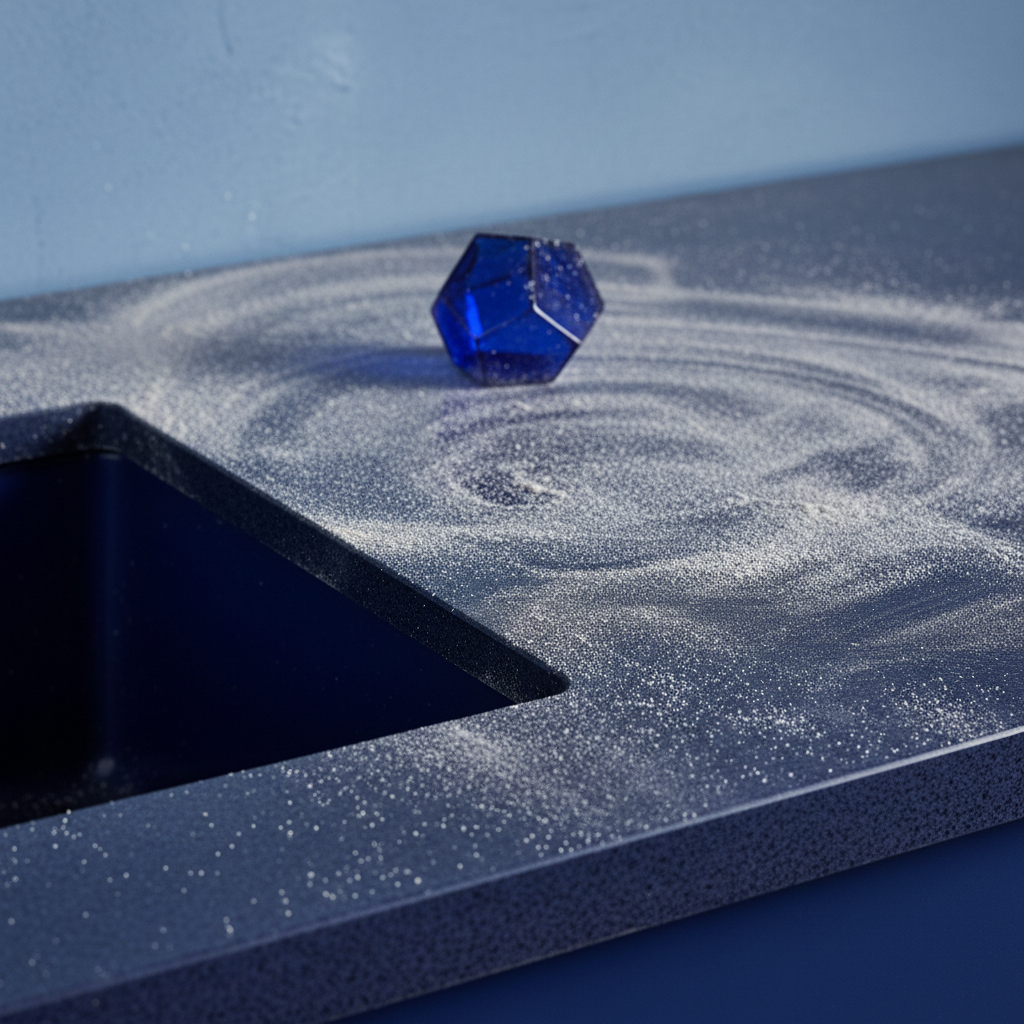
Reducing post-renovation cleaning time and cost is a direct benefit of maintaining a tidy work site, as less accumulated dust and debris means less intensive final cleanup effort. Addressing mess continuously rather than allowing it to build up prevents fine particles from dispersing throughout the property, which can otherwise prolong professional cleaning needs and increase associated expenses. Proactive dust control during renovation can cut final cleaning hours by up to 50%, saving both time and money.
Tips for Minimizing Dust and Debris During Renovation
Minimizing dust and debris during renovation involves implementing strategic barriers, advanced filtration, and consistent cleanup practices throughout the project duration. These steps are crucial for maintaining air quality and protecting untouched areas.
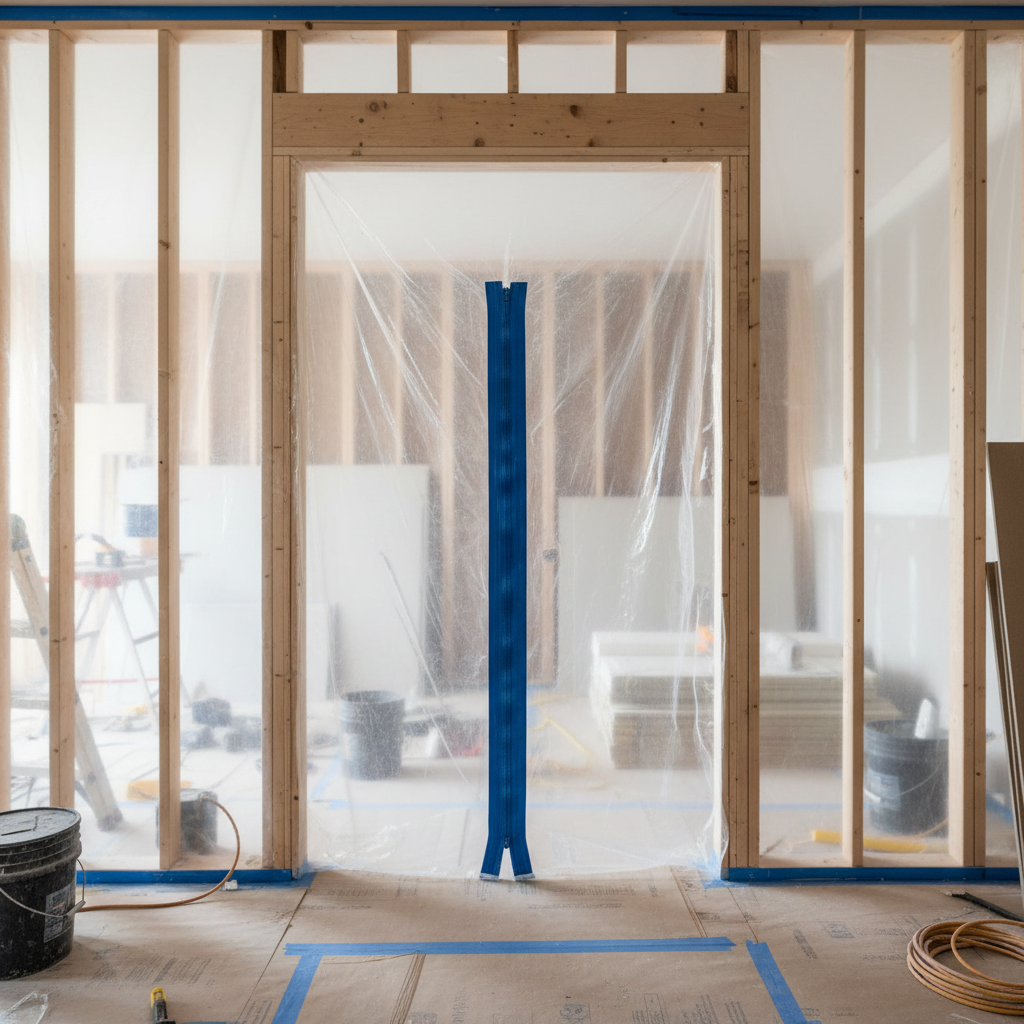
Isolate the Work Area (Plastic Sheeting, Zipper Barriers)
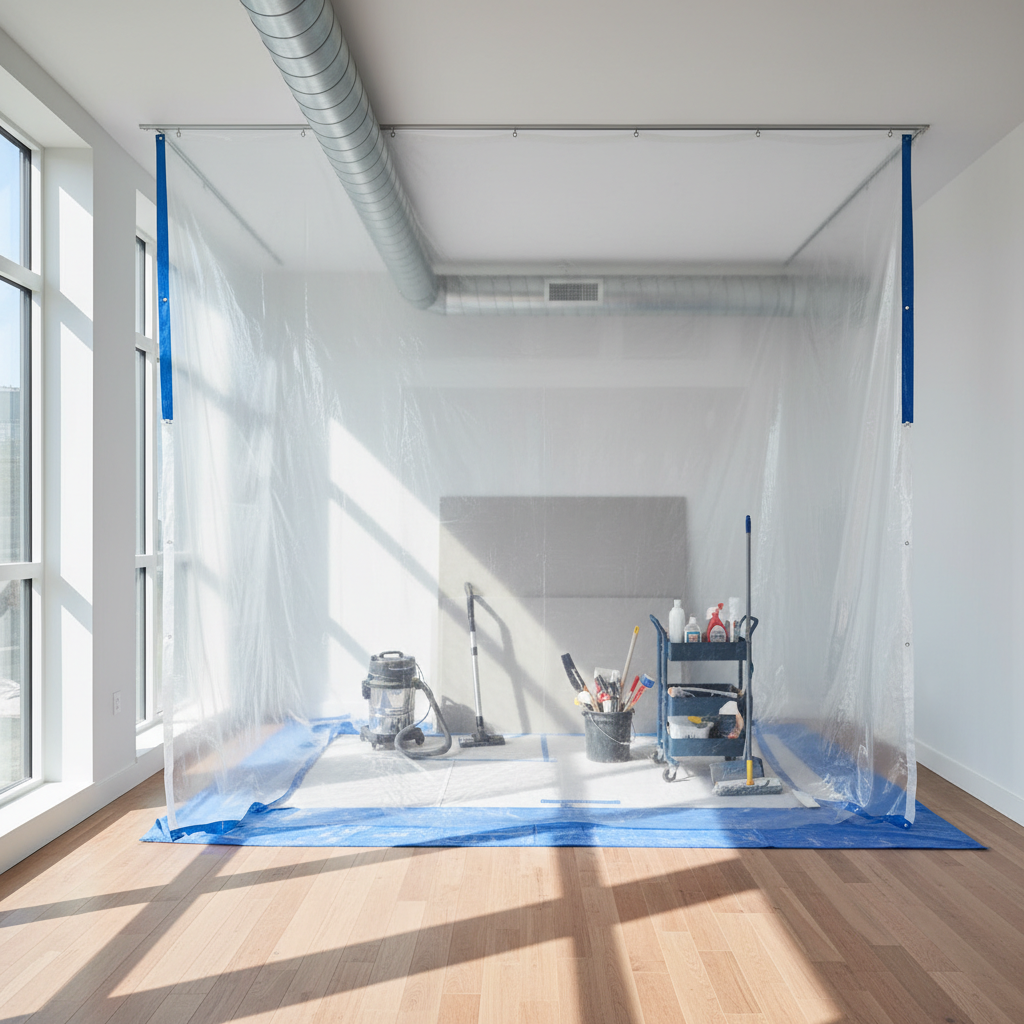
Isolating the work area effectively contains dust and debris to the immediate renovation zone, preventing it from spreading to other parts of the property. This is best achieved by erecting plastic sheeting securely from floor to ceiling around the entire perimeter of the construction space. Utilizing zipper barriers allows for easy entry and exit without compromising the seal, making it a highly effective method for mess-free renovation. Ensure all vents and doorways leading into the work area are also sealed.
Use HEPA Filters on Vacuums and Air Purifiers
Employing HEPA filters on vacuums and air purifiers is critical for capturing microscopic dust particles that standard filters miss, significantly improving indoor air quality. HEPA (High-Efficiency Particulate Air) filters are designed to trap 99.97% of airborne particles 0.3 microns in size, which include fine dust, allergens, and mold spores generated during construction. Running these devices continuously in and around the work area helps to scrub the air clean of harmful contaminants.
Regularly Damp Wipe Surfaces During Construction
Regularly damp wiping surfaces during construction is an effective method for removing settled dust before it becomes airborne again, preventing accumulation and improving air quality. This should be done frequently throughout the day, especially on horizontal surfaces like floors, window sills, and exposed elements within the work zone. Using slightly moistened cloths captures dust rather than scattering it, a far superior method to dry sweeping.
Proper Waste Management from Day One
Proper waste management from day one involves systematically collecting and removing construction debris to prevent hazards and reduce dust spread. This means having clearly designated waste bins for different materials (e.g., wood, drywall, general refuse) and emptying them regularly, preferably multiple times a day. Keeping waste contained reduces unsightly clutter, prevents trip hazards, and minimizes particles from becoming airborne as materials are moved or disturbed.
Key Insight: Many people overlook the cumulative effect of small dust particles. While larger debris is easily visible, it’s the invisible fine dust that penetrates deep into furnishings, air ducts, and even human lungs, necessitating comprehensive containment and filtration strategies.
Consider Negative Air Pressure Systems
Considering negative air pressure systems is an advanced strategy to prevent dust from escaping the work zone by using fans to create lower air pressure inside the renovation area than outside. This causes air to naturally flow into the work zone, pushing dust-laden air through specialized filters and exhausting it safely outdoors, effectively containing contaminants. This method is particularly beneficial for large-scale projects or those involving hazardous materials.
Working with Your Contractor for a Cleaner Site
Collaborating with your contractor for a cleaner site is paramount, as their practices directly influence the amount of dust and debris generated and managed. Clear communication and agreed-upon protocols minimize mess and streamline the entire process.
Discuss Clean-Up Expectations Before Starting
Discussing clean-up expectations before starting the renovation is crucial for setting clear boundaries and ensuring alignment on site tidiness standards. This conversation should cover daily cleanup routines, debris removal frequency, and the protection of non-work areas, explicitly outlining responsibilities for both the contractor and homeowner. Documenting these expectations in the contract provides a clear reference point.
Ensure Proper Protection of Non-Work Areas
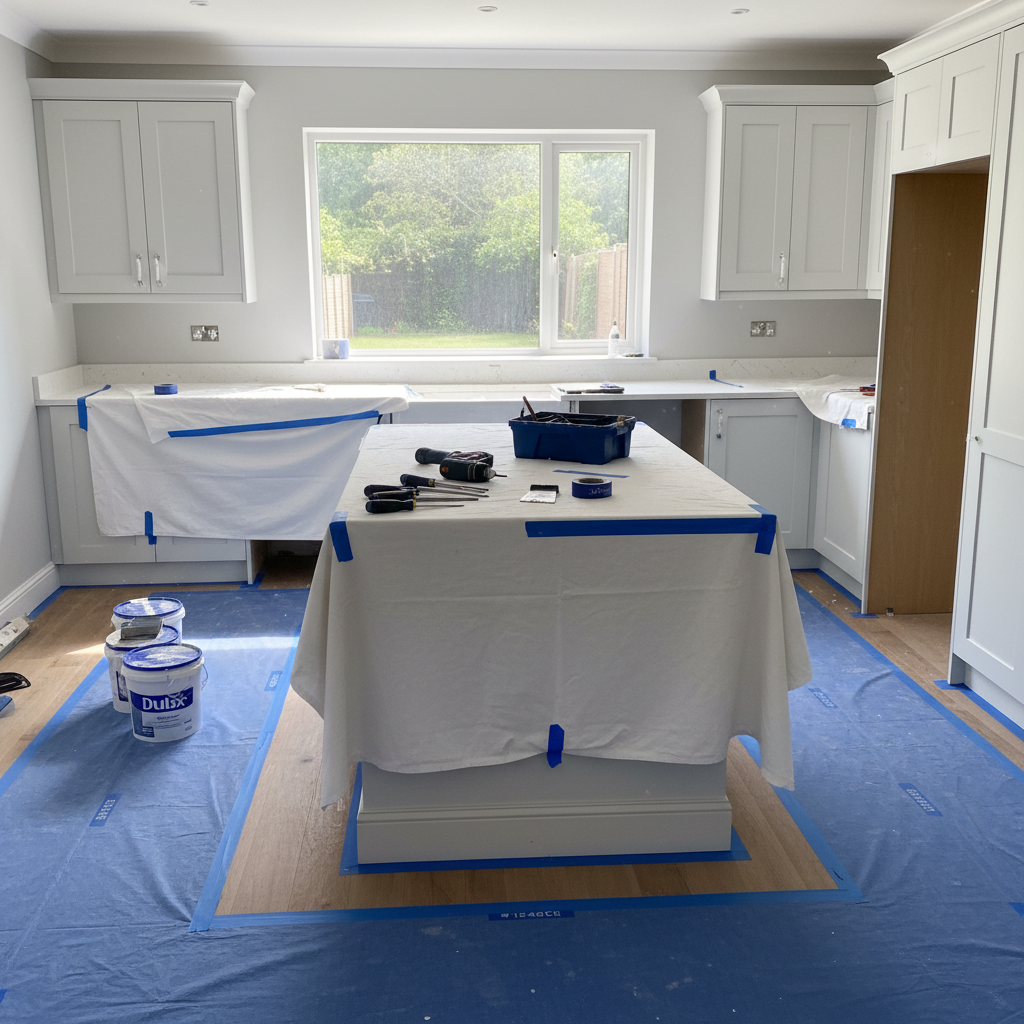
Ensuring proper protection of non-work areas is vital to safeguard your unaffected spaces from dust, paint splatters, and accidental damage. This involves covering floors with heavy-duty tarps or drop cloths, wrapping furniture in plastic, and sealing off doorways and vents leading into adjacent rooms. Contractors should be held responsible for maintaining these protective measures throughout the project.
Scheduled Daily/Weekly Tidying by Workers
Scheduled daily or weekly tidying by workers is essential for preventing the accumulation of debris and maintaining a manageable work environment. This means allocating time for workers to sweep, vacuum with HEPA-filtered devices, and remove accumulated waste at the end of each workday or week. Consistent tidying demonstrates a commitment to a clean renovation and significantly reduces the final deep cleaning effort.
| Aspect of Cleanliness | Proactive Contractor | Reactive Contractor |
|---|---|---|
| Dust Containment | Uses sealed barriers, HEPA filters | Basic sheeting, relies on final clean |
| Debris Removal | Daily or end-of-day | Sporadic, when bins are full |
| Surface Protection | Thoroughly covers floors, furniture | Minimal covering, assumes client will clean |
| Communication | Discusses cleanup at project start | Addresses cleanup only when issues arise |
| Post-Renovation | Preps for professional cleaning | Leaves behind significant residue |
The Role of Professional Post-Renovation Cleaning
The role of professional post construction cleaning is indispensable for achieving a truly spotless and healthy environment after renovation work is complete. These services address the unique challenges posed by construction residue that goes beyond typical household cleaning.
Addressing Hidden Dust and Fine Particles
Addressing hidden dust and fine particles is a primary focus of professional post-renovation cleaning, as these microscopic elements can linger in the air and settle in every crevice. Professional cleaners utilize specialized equipment, such as commercial-grade HEPA vacuums and air scrubbers, to thoroughly remove embedded dust from vents, light fixtures, and behind appliances that might otherwise re-circulate later. This meticulous approach ensures healthy indoor air quality.
Removing Stubborn Stains and Residues
Removing stubborn stains and residues is another critical aspect, as construction often leaves behind materials like paint splatters, grout haze, adhesive residue, and sealant smears. Professional cleaners have the expertise, industrial-strength products, and specific techniques to safely and effectively eliminate these tough marks without damaging new surfaces. Their thoroughness ensures the pristine finish of your newly renovated space.
Ensuring a Truly Move-In Ready Finish
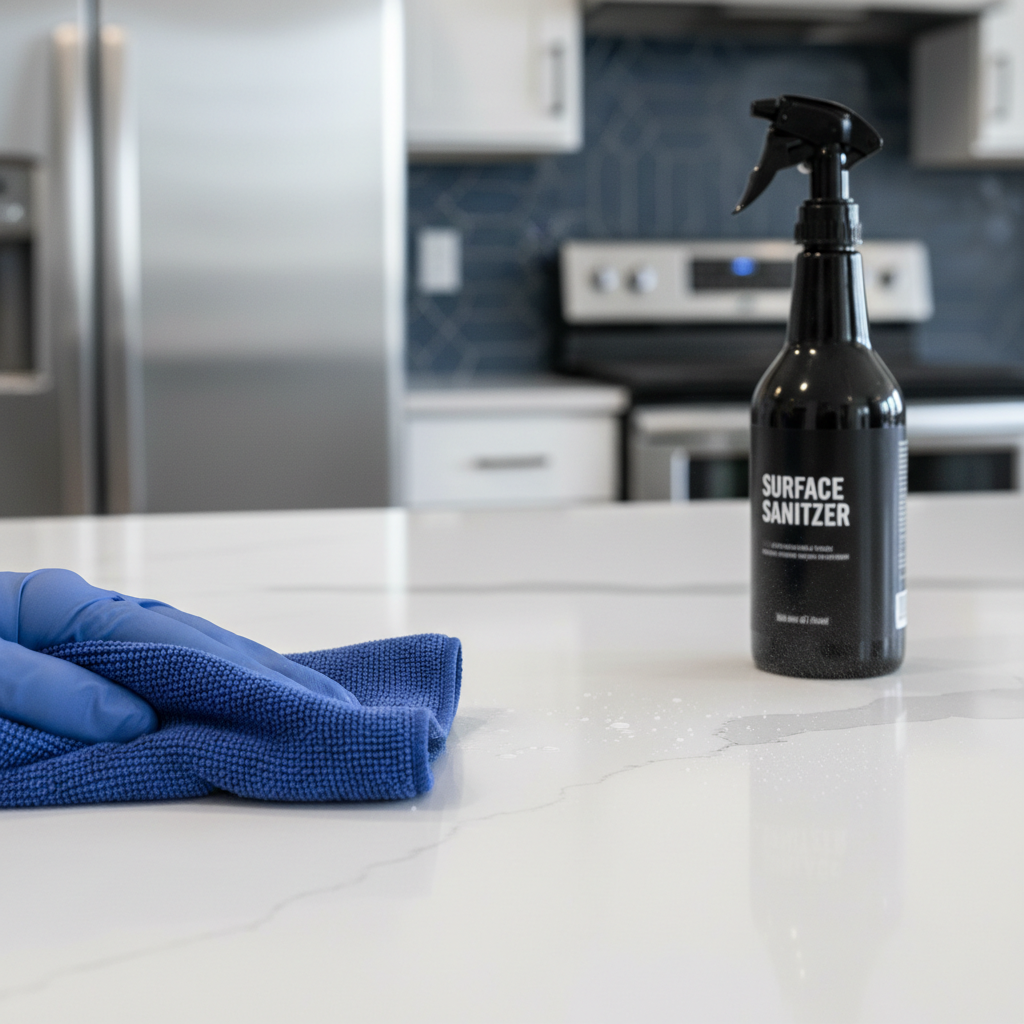
Ensuring a truly move-in ready finish is the ultimate goal of professional post-renovation cleaning, allowing you to enjoy your newly transformed space immediately and without worry. This comprehensive service covers every detail, from shining floors and sanitizing bathrooms to polishing fixtures and cleaning inside cabinets, transforming a construction site into a spotless, welcoming home or office. It saves you days of intensive personal cleaning.
Key Insight: The difference between a general clean and a post-renovation clean lies in the type of dust and contaminants. Construction dust is far finer, more abrasive, and permeates more deeply than household dust, requiring different equipment and techniques to eliminate thoroughly.
When to Call Cleatra for Your Clean Renovation Finish
Calling Cleatra when your renovation project is nearing completion ensures a professional, spotless, and healthy environment tailored for immediate use. Our specialized services are designed to handle the unique demands of post-construction cleanup.
Post-Construction Deep Clean for Every Surface
A post-construction deep clean for every surface is specifically designed to tackle the pervasive dust and debris left behind by renovation work. Cleatra’s teams meticulously clean all surfaces, including walls, ceilings, fixtures, and floors, using industry-grade equipment and eco-friendly solutions. This comprehensive service eliminates paint splatters, grout dust, and fine particles, transforming your space from a construction zone into a pristine environment.
Preparing for Handover or Move-In
Preparing for handover or move-in requires a detailed and thorough cleaning that ensures every corner of your renovated property meets the highest standards of cleanliness and presentation. Cleatra provides an intensive cleaning service that includes window washing, interior cabinet cleaning, sanitization of bathrooms and kitchens, and floor care, leaving the space fresh and ready for immediate occupation or client presentation. This meticulous finish allows you to enjoy your new space without any further cleaning worries.
Frequently Asked Questions
What is the difference between regular cleaning and post-renovation cleaning?
Regular cleaning focuses on daily upkeep and surface dirt, whereas post-renovation cleaning targets fine construction dust, residue, and debris that permeates every surface, requiring specialized equipment and techniques for thorough removal. It addresses abrasive materials and hidden particles that general cleaning often misses.
How soon after renovation should I book a professional cleaning?
It’s best to book a professional cleaning service to commence once all construction work, including minor touch-ups and installations by the contractor, is completely finished. This ensures cleaners have unobstructed access and that no new dust or debris is generated after their service.
Can I do the post-renovation cleaning myself?
While it’s possible to attempt post-renovation cleaning yourself, it’s significantly more challenging than standard cleaning due to the insidious nature of construction dust and the specialized equipment required. Professional services have the tools and expertise to ensure a truly dust-free and healthy environment.
What should I look for in a post-renovation cleaning service?
Look for a service with experience in post-construction specific cleaning, positive reviews, comprehensive insurance, and the use of HEPA-filtered vacuums and professional-grade cleaning solutions. Ensure they offer a detailed checklist of what their service includes.
How long does post-renovation cleaning typically take?
The duration of post-renovation cleaning varies significantly based on the size of the renovated area, the extent of the dust and debris, and the specific services requested. A typical apartment might take a few hours, while a large office or home could require a full day or more.
Does post-renovation cleaning include window cleaning?
Many professional post-renovation cleaning services do include interior and exterior window cleaning as standard, specifically addressing paint splatters, dust, and grime that accumulates during construction. Always confirm this detail with your chosen cleaning provider.
Conclusion
Achieving a truly clean renovation is not an accident but the result of proactive planning, diligent execution, and strategic professional support. By implementing comprehensive dust control measures from the outset, actively collaborating with your contractor on site cleanliness, and entrusting the final deep clean to experts, you can significantly mitigate the mess and health hazards associated with construction. This approach guarantees a pristine, healthy, and immediately enjoyable space, allowing you to fully appreciate your newly transformed home or office from the moment the work is complete.