Choosing Upholstery Cleaning in Singapore: Guide to a Fresh Home
Upholstery cleaning in Singapore revitalizes your furniture, removes hidden allergens, and extends the lifespan of your cherished pieces, ensuring a healthier and more aesthetically pleasing home environment. Over time, upholstery accumulates dust, dirt, spills, and allergens that regular vacuuming simply cannot address. Professional cleaning offers a deep clean that restores freshness and appearance.
Quick Answer:
- Professional upholstery cleaning removes deep-seated dirt, allergens, and stains, improving indoor air quality and furniture appearance.
- Different upholstery materials require specific cleaning methods to prevent damage.
- Key benefits include extended furniture lifespan, better hygiene, and enhanced home aesthetics.
- DIY cleaning often carries risks like fabric damage, water stains, and incomplete dirt removal.
- Regular professional cleaning is recommended every 12-24 months, or more frequently for homes with pets or allergies.
Table of Contents
- Why Professional Upholstery Cleaning is Essential
- Common Types of Upholstery and Their Cleaning Needs
- Understanding the Professional Upholstery Cleaning Process
- Benefits of Regular Upholstery Maintenance
- When Should You Consider Professional Upholstery Cleaning?
- DIY vs. Professional: The Risks of Cleaning Upholstery Yourself
- Extending the Life of Your Furniture with Proper Care
- Frequently Asked Questions
- Conclusion
Why Professional Upholstery Cleaning is Essential
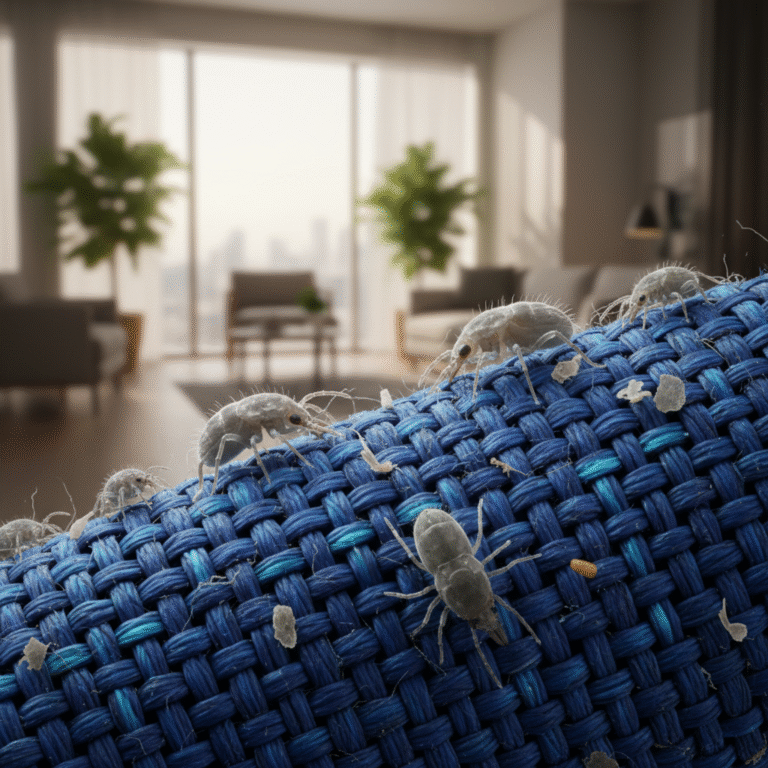
Professional upholstery cleaning is essential because it effectively removes hidden dirt, allergens, and pathogens that ordinary cleaning methods cannot, contributing to a healthier home and preserving your furniture’s appearance. While daily vacuuming can remove surface debris, it does not address the microscopic particles that embed themselves deep within fabric fibers. These include dust mites, pet dander, pollen, mold spores, and bacteria, which can trigger allergies and respiratory issues in household members. A 2023 study by an air quality research firm highlighted that indoor upholstered furniture can harbor up to eight times more dust mites than carpets, making professional cleaning a critical step in maintaining superior indoor air quality.
Beyond health benefits, professional cleaning significantly enhances the aesthetic appeal and extends the lifespan of your furniture. Over time, accumulated dirt and body oils dull fabric colors and can even weaken fibers, leading to premature wear and tear. Professional deep cleaning uses specialized equipment and solutions designed to safely extract grime, revive colors, and restore the fabric’s original texture, postponing the need for costly replacements.
Common Types of Upholstery and Their Cleaning Needs
Different upholstery materials, from natural fabrics like cotton and linen to synthetics such as polyester and microfiber, each have unique characteristics that dictate specific cleaning approaches to prevent damage and ensure effective results. Understanding these variations is crucial for proper fabric furniture cleaning. For instance, natural fibers tend to absorb moisture more readily and can be prone to shrinking or color bleeding if treated incorrectly, while some synthetics might be sensitive to high heat.
Here’s a breakdown of common upholstery types and their general cleaning considerations:
- Cotton and Linen: These natural fibers are durable but highly absorbent. They are susceptible to water rings and can shrink or wrinkle if overwetted. Cleaning often involves careful pre-treatment, gentle agitation, and controlled extraction methods to prevent saturation.
- Wool: Known for its resilience and natural stain resistance, wool requires cautious cleaning. Harsh chemicals or high temperatures can damage its delicate protein fibers. Professional cleaners use pH-neutral solutions and specific low-moisture techniques.
- Silk and Rayon: These delicate materials are highly prone to water spotting, shrinking, and color loss. They generally require specialized dry cleaning or very low-moisture cleaning processes to avoid irreversible damage.
- Polyester and Microfiber: Synthetic and highly durable, these materials are often tightly woven and resistant to many stains. They can typically withstand deeper cleaning and stronger solutions but still require professional assessment to avoid residue buildup or fiber damage. Microfiber, particularly, needs specialized tools to agitate and clean its fine, densely packed fibers effectively.
- Leather: While not a fabric, leather upholstery also requires professional cleaning and conditioning. It needs specific leather cleaners that won’t strip its natural oils, followed by conditioning to maintain its suppleness and prevent cracking.
Key Insight: Identifying the exact fabric composition of your upholstery is the first and most critical step before any cleaning is attempted. Most furniture pieces have a care tag with a cleaning code (W, S, W/S, or X) that guides professional cleaners on the appropriate methods. Disregarding these codes can lead to permanent damage.
| Upholstery Type | Absorption | Durability | Key Cleaning Consideration | Risk of DIY Damage |
|---|---|---|---|---|
| Cotton/Linen | High | Medium | Water ringing, shrinking | High |
| Wool | Medium | High | pH sensitivity, high heat | Medium |
| Silk/Rayon | High | Low | Water spots, shrinking | Very High |
| Polyester | Low | High | Residue buildup | Low-Medium |
| Microfiber | Low | High | Proper agitation | Low-Medium |
| Leather | Very Low | High | Drying, cracking | High |
Understanding the Professional Upholstery Cleaning Process
A professional upholstery cleaning process involves several strategic steps to ensure a thorough, safe, and effective deep clean without damaging the fabric. While methods may vary slightly depending on the fabric type and the specific cleaning company, a typical process emphasizes meticulous preparation, targeted treatment, and efficient extraction.
Here’s a general overview of a comprehensive professional cleaning approach:
- Pre-Inspection and Fabric Identification: Before any cleaning begins, technicians carefully inspect the upholstery. This involves identifying the fabric type (e.g., cotton, silk, synthetic) using the care tag or through material tests. They also note any existing stains, heavy soiling, or areas of concern. This step determines the most appropriate and safest cleaning method and solutions.
- Vacuuming and Dry Soil Removal: The first physical step is a thorough vacuuming of the entire upholstered piece. This removes loose dirt, dust, pet hair, and crumbs from the surface and crevices, preventing them from turning into mud during the wet cleaning process.
- Pre-Treatment and Spot Treatment: A specialized pre-conditioning solution is applied to break down stubborn dirt, body oils, and grime. For specific stains, like food spills or ink, targeted stain removal upholstery products are used, allowing them to dwell for a short period to loosen the contaminants without harming the fabric.
- Agitation (if necessary): Depending on the fabric’s durability and the degree of soiling, a soft brush or specialized tool may be used to gently agitate the pre-treatment solution into the fibers. This helps to further loosen embedded dirt.
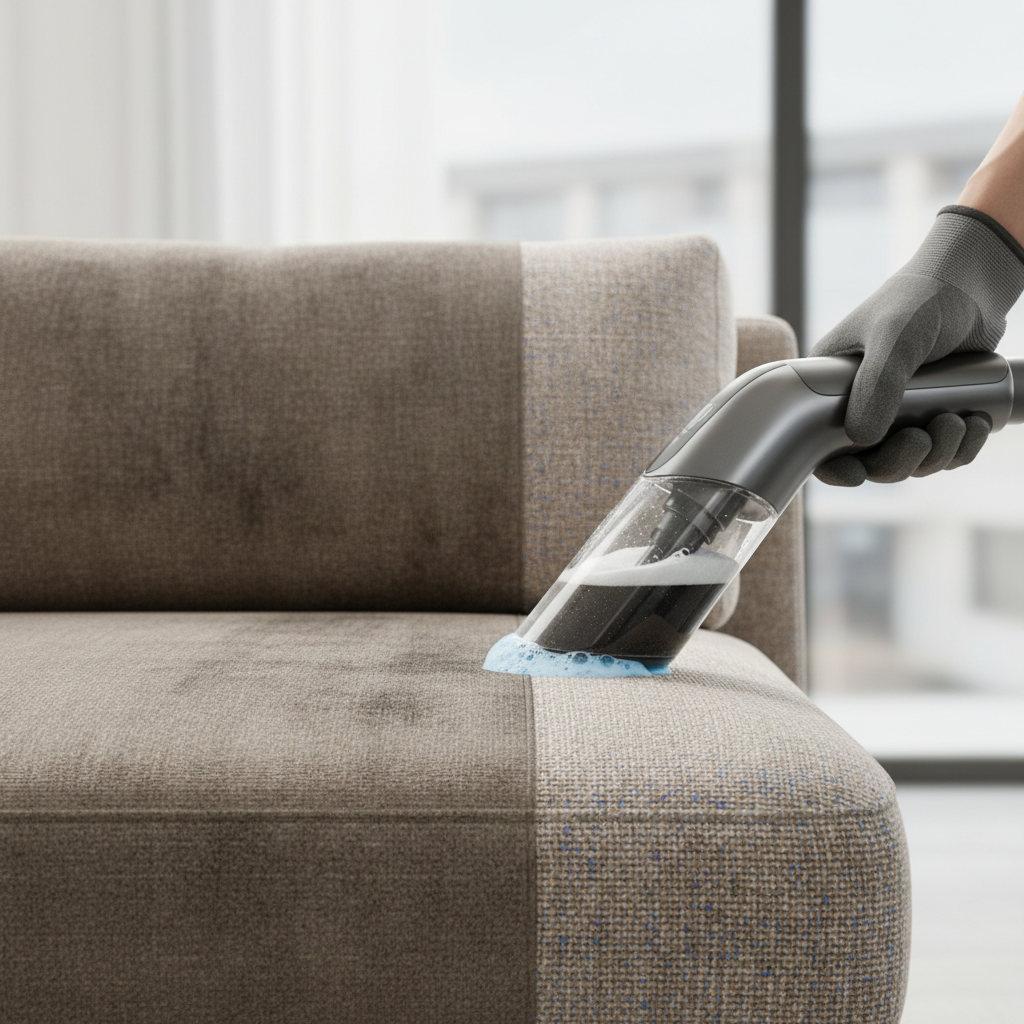
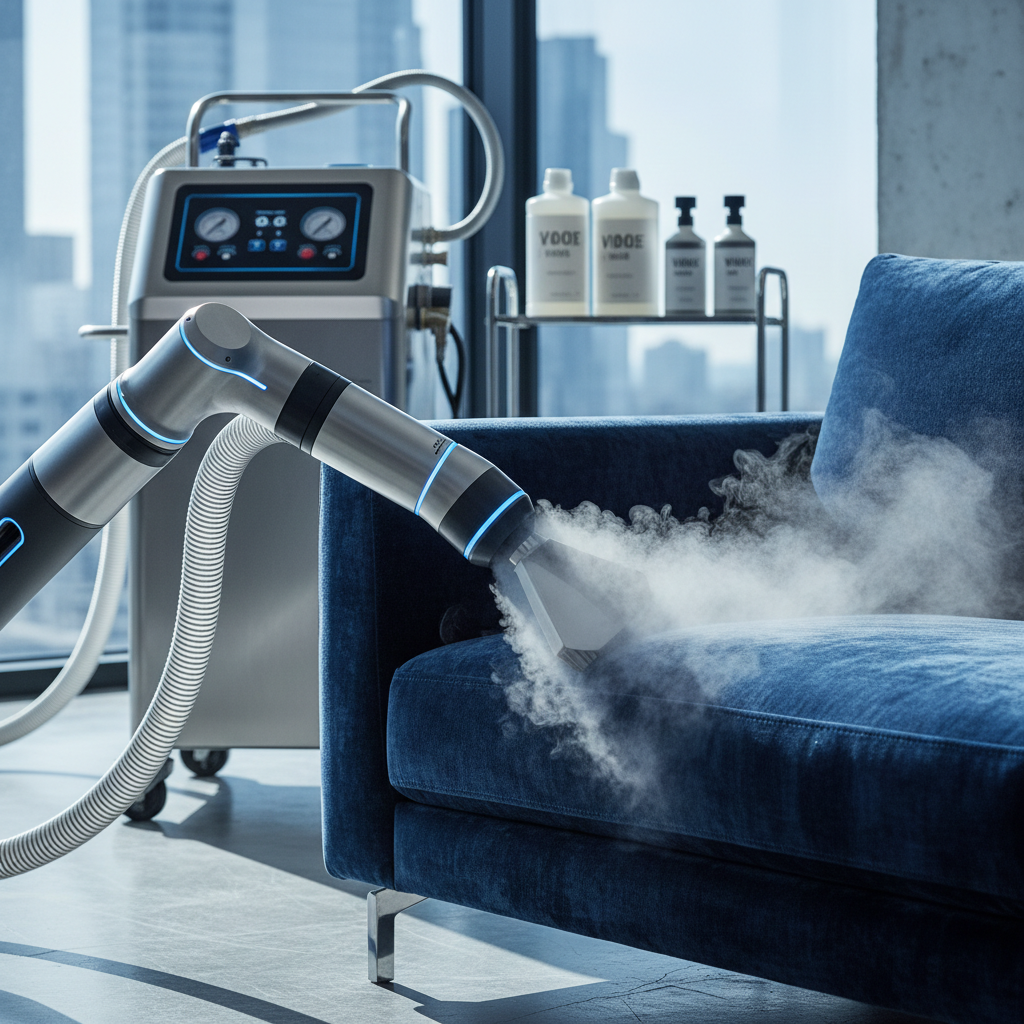
- Hot Water Extraction (Steam Cleaning): This is a highly effective method for most durable fabrics. Hot water, combined with a cleaning solution, is injected into the upholstery fibers under pressure and immediately extracted using a powerful vacuum. This process lifts away dirt, allergens, and cleaning solution residue, leaving the fabric fresh and deeply cleaned. For delicate fabrics, low-moisture or dry cleaning methods might be employed. This is particularly effective for large pieces of sectional cleaning Singapore residents often have.
- Rinsing: A clear water rinse might be performed to ensure all cleaning agents are completely removed from the fabric, preventing sticky residues that can attract dirt faster.
- Post-Cleaning Inspection: After cleaning, the technician conducts a final inspection to ensure satisfaction. They might use specialized drying equipment or strategies to accelerate the drying process, reducing moisture-related issues.
Benefits of Regular Upholstery Maintenance
Regular upholstery maintenance goes beyond just aesthetics; it significantly contributes to a healthier living environment and extends the functional life of your furniture, ultimately saving you money. Neglecting your upholstery allows dirt, allergens, and even mold to accumulate, which can have detrimental effects on both your home and its inhabitants.
Here are the key benefits of consistent professional upholstery cleaning:
- Improved Indoor Air Quality: Upholstery acts as a giant filter, trapping airborne particles like dust, pet dander, pollen, and dust mites. A Cornell University study in 2022 showed that professionally cleaned upholstery can reduce airborne allergens by up to 85%, leading to noticeable improvements for those with allergies or asthma.
- Enhanced Appearance and Feel: Deep cleaning removes embedded dirt and body oils that dull fabric colors and flatten fibers. Professional cleaning restores the vibrancy of your furniture’s original color and rejuvenates its texture, making it look and feel new again. This is especially true for sofa cleaning Singapore, where high humidity can exacerbate grimy build-up.
- Elimination of Odors: Over time, upholstery absorbs odors from pets, food spills, and general indoor activity. Professional cleaning treatments neutralize these odors at their source, rather than just masking them, leaving your home smelling fresher.
- Extended Furniture Lifespan: Dirt and gritty particles act as abrasives, wearing down fabric fibers every time someone sits on the furniture. By removing these particles, professional cleaning lessens wear and tear, significantly prolonging the life of your expensive upholstered pieces and postponing the need for costly replacements.
- Hygienic Environment: Beyond allergens, upholstery can harbor bacteria and viruses. Many professional cleaning solutions have antimicrobial properties that sanitize surfaces, contributing to a more hygienic home environment, especially important in homes with children or pets.
- Effective Stain Removal: Professionals have access to specialized cleaning agents and techniques for stain removal upholstery that are far more effective than DIY methods for tackling stubborn spots and spills without damaging the fabric.
When Should You Consider Professional Upholstery Cleaning?
You should consider professional upholstery cleaning at least once every 12 to 24 months, or more frequently depending on usage, lifestyle, and specific household factors. While cleaning frequency can vary, certain signs and situations clearly indicate that it’s time to call in the experts for professional furniture cleaning.
Here are common scenarios and recommended intervals:
- General Household Use (Every 12-24 Months): For an average household with moderate furniture use, cleaning every one to two years is typically sufficient to maintain cleanliness, remove accumulated dirt, and prevent premature wear.
- Homes with Children or Pets (Every 6-12 Months): Children and pets significantly increase the accumulation of dirt, stains, odors, pet dander, and allergens. More frequent cleaning is essential to maintain hygiene and air quality.
- Allergy Sufferers (Every 6 Months): Individuals with allergies or asthma benefit greatly from more frequent upholstery cleaning to drastically reduce the presence of dust mites, pollen, and other airborne allergens trapped in furniture fabric.
- Visible Stains or Heavy Soiling: If you notice obvious stains from spills, food, or general grimy build-up, it’s best to address them promptly rather than letting them set into the fabric.
- Noticeable Odors: Lingering unpleasant odors emanating from your furniture, especially after pets have been on it or from general prolonged use, are a strong indicator that deep cleaning is needed.
- Dull Appearance: When your upholstery looks dull, dingy, or its colors appear faded compared to when it was new, professional cleaning can restore its brightness and vibrancy.
- After Moving Into a New Home (Especially with Used Furniture): If you’ve moved into a new place and inherited or purchased used upholstered furniture, a professional cleaning is highly recommended to ensure it’s hygienically clean.
- Post-Renovation or Major Cleaning Project: Dust and debris from renovations can settle deeply into upholstery. A professional cleaning will remove these particles.
Key Insight: Proactive cleaning is always more effective and less damaging than reactive cleaning. Waiting until upholstery is heavily soiled can make stain removal more challenging and sometimes impossible, potentially requiring harsher treatments that risk fabric damage.
DIY vs. Professional: The Risks of Cleaning Upholstery Yourself
Attempting to clean upholstery yourself often carries significant risks, including potential damage to your furniture, ineffective cleaning, and even health hazards, whereas professional services offer expertise and specialized equipment for safe and thorough results. Many DIY cleaning methods, while seemingly simple, can lead to irreversible problems, making the initial saving far more costly in the long run.
Here’s why professional cleaning is generally preferred over DIY:
- Fabric Damage: Applying the wrong cleaning solution or excessive moisture to a specific fabric type (like silk, rayon, or certain natural fibers) can cause shrinkage, permanent water spots, color bleeding, or degradation of the fibers. Professionals identify fabric types and use appropriate, gentle solutions.
- Incomplete Dirt Removal: Household carpet cleaners or steam cleaners often lack the suction power of professional-grade extraction machines. This means they may only clean the surface, pushing dirt deeper into the fabric and leaving behind sticky residues that attract new dirt faster.
- Oversaturation and Slow Drying: Overwetting upholstery is a common DIY mistake. This can lead to mold and mildew growth within the cushions and fabric, producing unpleasant odors and damaging the internal structure of the furniture. In Singapore’s humid climate, slow drying is a significant concern.
- Stain Setting: Using improper chemicals or scrubbing a stain incorrectly can permanently set it into the fabric, making professional removal much harder or impossible. Some fabric types require specific pH-neutral treatments for effective stain removal upholstery.
- Residue Buildup: Many commercial cleaning products can leave behind a sticky residue that acts as a magnet for new dirt, causing your furniture to get dirty again much faster than before. Professional cleaners use appropriate rinsing agents to prevent this.
- Lack of Specialized Tools: Professionals use industrial-strength vacuums, hot water extractors with varied nozzles, specialized brushes, and drying equipment tailored for different fabrics and levels of soiling, ensuring a deeper, more even clean.
- Health and Safety Risks: Some commercial cleaning products contain harsh chemicals that can be harmful if not used correctly, causing skin irritation or respiratory issues. Professionals are trained in safe handling and ventilation.
Choosing professional upholstery cleaning Singapore services eliminates these risks by leveraging trained technicians who understand fabric chemistry, possess advanced equipment, and guarantee effective results without compromising your furniture’s integrity or your family’s health.
Extending the Life of Your Furniture with Proper Care
Beyond professional cleaning, adopting daily habits and implementing preventative measures are crucial for extending the life of your upholstered furniture, maintaining its appearance, and minimizing the need for intensive interventions. Integrating these practices into your routine can significantly slow down wear and tear, keeping your furniture looking new for longer.
Here are practical tips for proper upholstery care:
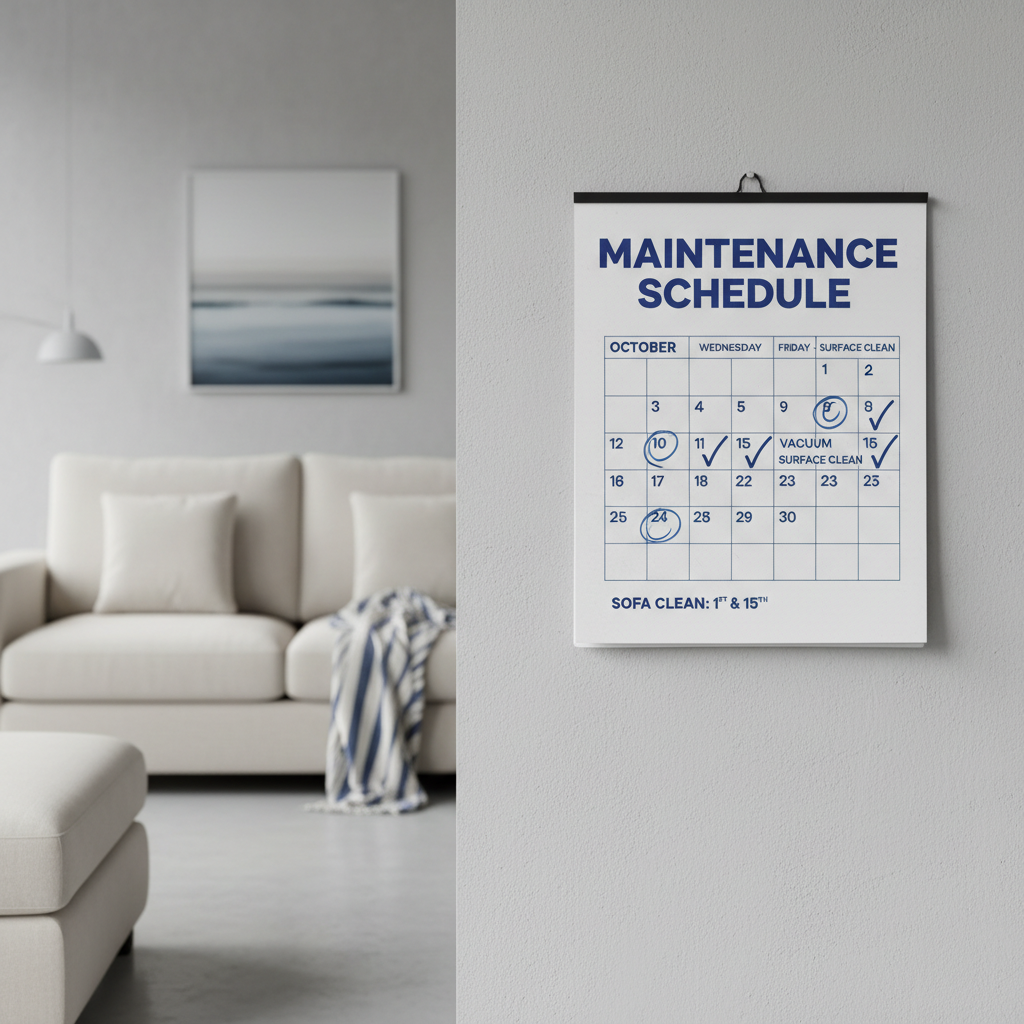
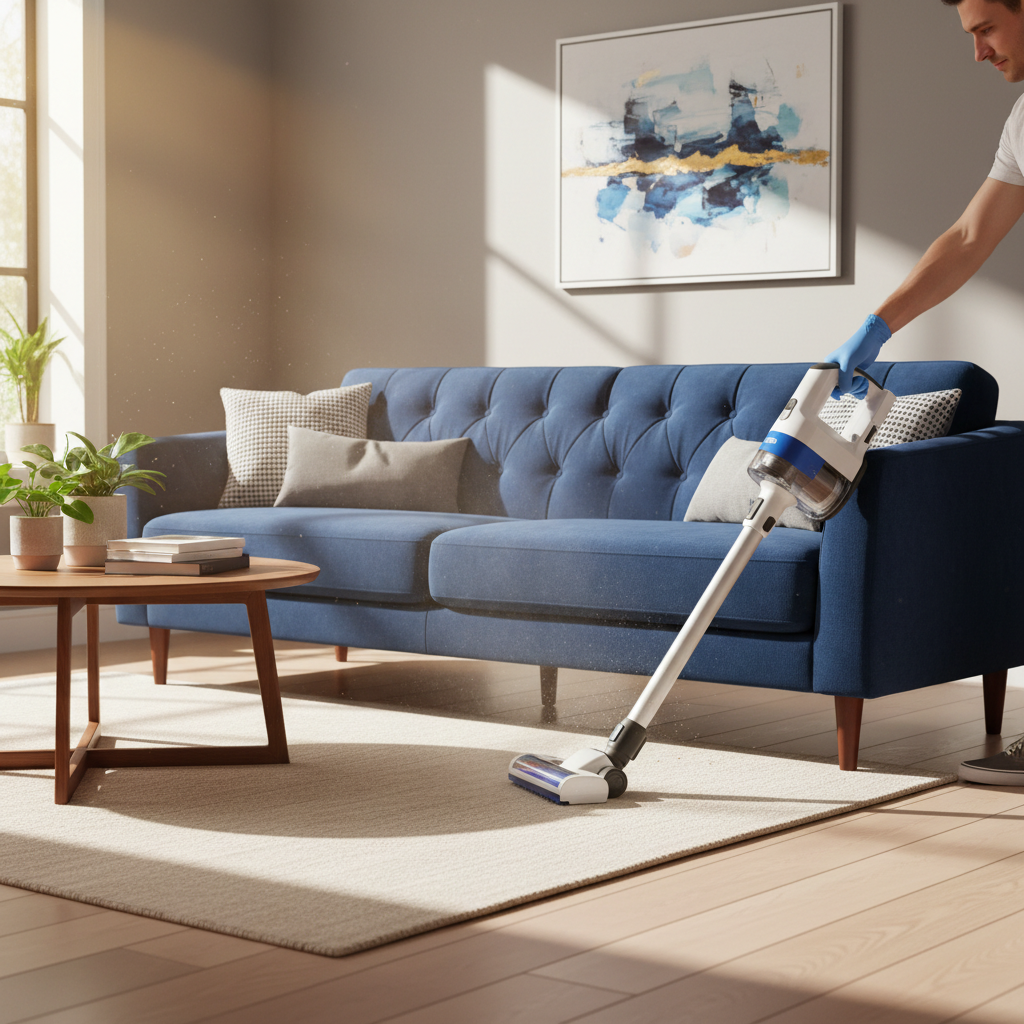
- Regular Vacuuming: Use your vacuum cleaner’s upholstery attachment to vacuum your furniture weekly. This removes surface dirt, dust, and pet hair before they can embed themselves deep into the fabric fibers, thus reducing abrasion. Remember to get into crevices as well.
- Rotate Cushions: If possible, flip and rotate seat and back cushions regularly (monthly or bi-monthly) to ensure even wear and prevent excessive compression in one area. This helps the cushions retain their shape and extends their lifespan.
- Address Spills Immediately: The faster you act on a spill, the better your chances of preventing a permanent stain. Blot spills gently with a clean, white cloth (never rub, as this can spread the stain and push it deeper). Avoid using harsh chemicals; plain water or a mild soap solution is often sufficient for immediate clean-up. Always test any cleaning solution on an inconspicuous area first.
- Protect from Direct Sunlight: Prolonged exposure to direct sunlight can fade fabric colors and weaken fibers. Position furniture away from direct sunlight or use curtains/blinds to block harsh rays, especially during peak sun hours.
- Avoid Sitting on Arms/Backs: While convenient, sitting on the arms or backs of upholstered furniture can strain the frame and compromise the fabric and stitching over time, leading to premature damage.
- Use Proper Cleaning Products for Spot Cleaning: For minor spots, use cleaning products specifically designed for upholstery, matching them to your fabric type. A fabric protector can provide an invisible barrier against spills and stains.
- Consider Furniture Covers: In high-traffic areas or homes with pets and children, removable, washable furniture covers or throws can offer an extra layer of protection against daily wear, spills, and pet dander.
By combining these diligent care practices with professional upholstery cleaning Singapore services every 12-24 months, you can significantly prolong the beauty, comfort, and structural integrity of your furniture.
Frequently Asked Questions
How often should upholstery be professionally cleaned in Singapore?
Upholstery should be professionally cleaned every 12-24 months for general use. For homes with children, pets, or allergy sufferers, a frequency of every 6-12 months is recommended to maintain optimal hygiene and air quality.
Can all types of upholstery be steam cleaned?
No, not all types of upholstery can be steam cleaned. While hot water extraction (often referred to as steam cleaning) is effective for many durable synthetic and some natural fabrics, delicate materials like silk, rayon, or certain velvet types require specialized low-moisture or dry cleaning methods to prevent damage like shrinkage or water spots.
What is the typical drying time after professional upholstery cleaning?
The typical drying time after professional upholstery cleaning usually ranges from 4 to 8 hours, though it can vary based on fabric type, humidity levels in Singapore, and the efficiency of the extraction and drying equipment used. Professional cleaners use high-powered equipment to minimize moisture.
Can professional cleaning remove all stains from upholstery?
Professional cleaning can remove a high percentage of stains, especially if they are addressed promptly. However, some deep-set, old, or acidic stains (like bleach, rust, or specific dyes) may have permanently altered the fabric fibers, making complete removal impossible without damaging the material.
Is professional upholstery cleaning safe for pets and children?
Yes, reputable professional upholstery cleaning services prioritize safety. They use eco-friendly and non-toxic cleaning solutions that are safe for households with pets and children. Technicians also ensure thorough rinsing to remove residues.
What’s the difference between sofa cleaning and upholstery cleaning?
Sofa cleaning is a specific type of upholstery cleaning that focuses on sofas. Upholstery cleaning is a broader term that encompasses cleaning all types of upholstered furniture, including sofas, armchairs, dining chairs, ottomans, and even headboards.
Conclusion
Investing in upholstery cleaning in Singapore is a proactive step towards a healthier, cleaner, and more comfortable home environment. Beyond enhancing aesthetic appeal and eliminating unpleasant odors, professional cleaning significantly reduces allergens and bacteria, contributing to improved indoor air quality. By entrusting your furniture to experts who understand fabric nuances and employ advanced techniques, you not only preserve your upholstery’s beauty but also extend its lifespan, ensuring your cherished pieces remain a source of comfort and pride for years to come. Ultimately, professional upholstery maintenance is an investment in the longevity of your furniture and the well-being of your household.