Top Green Home Cleaning Products for a Sparking, Safe Home
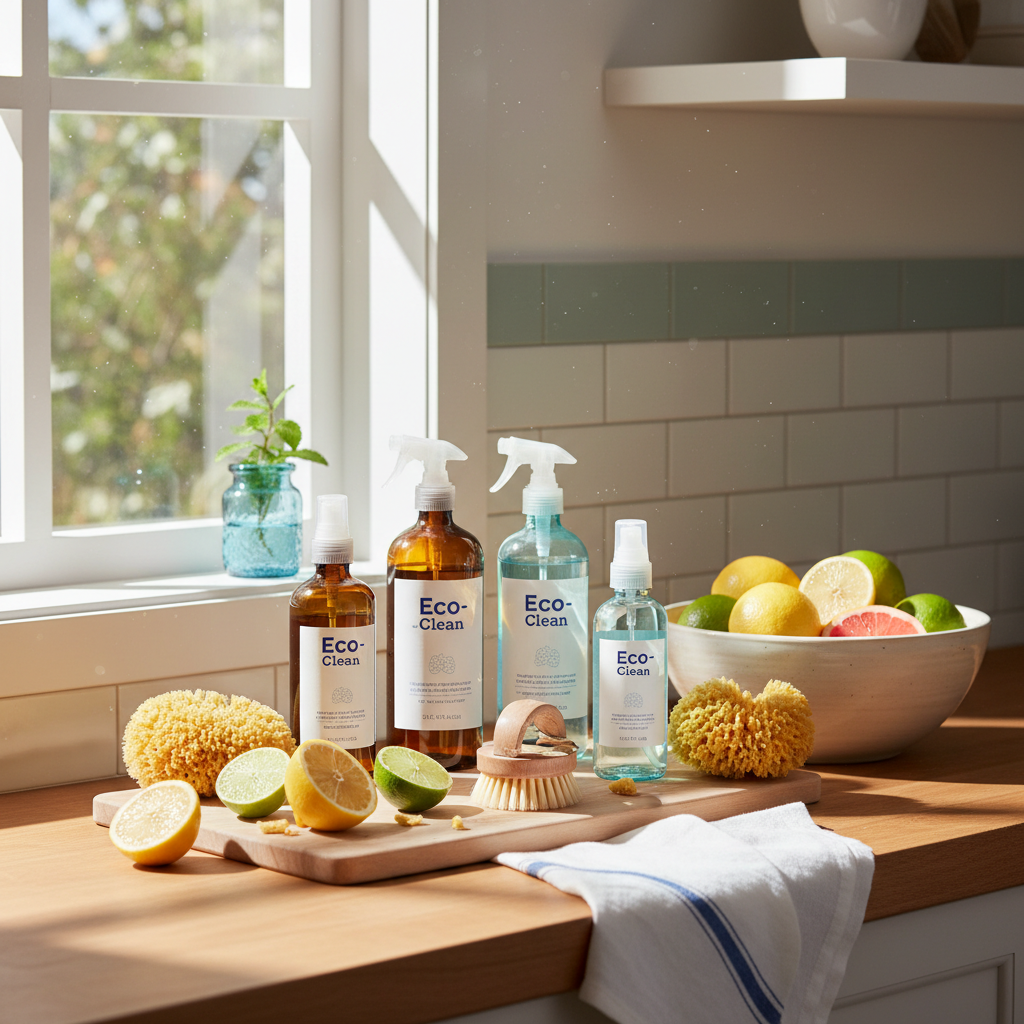
Choosing green home cleaning products is a simple yet impactful way to maintain a sparkling clean home while protecting your family’s health and the environment. These products offer effective alternatives to conventional cleaners, utilizing naturally derived ingredients that are less likely to cause irritation or pollute waterways. By opting for eco-friendly options, you contribute to a safer indoor environment and reduce your ecological footprint.
Quick Answer:
- Green cleaning products use natural, plant-based, and biodegradable ingredients.
- They are free from harsh chemicals like ammonia, bleach, and phthalates.
- Benefits include improved indoor air quality, reduced allergy risks, and safety for pets and children.
- Key ingredients to look for are baking soda, vinegar, citric acid, and plant-derived surfactants.
- Avoid products containing synthetic fragrances, phosphates, chlorine, and formaldehyde.
Table of Contents
- What Defines a ‘Green’ Cleaning Product?
- Natural, Plant-Based Ingredients
- Free from Harmful Chemicals
- Biodegradable and Environmentally Safe
- Benefits of Using Green Products in Your Home
- Safer for Family and Pets
- Improved Indoor Air Quality
- Reduces Allergic Reactions and Irritations
- Key Ingredients to Look For in Green Products
- Baking Soda, Vinegar, Citric Acid
- Essential Oils for Fragrance
- Plant-Derived Surfactants
- Ingredients to Avoid: What’s Hiding in Conventional Cleaners?
- Synthetic Fragrances
- Phosphates and Chlorine
- Formaldehyde
- Where to Buy Green Home Cleaning Products
- Specialty Eco-Stores
- Supermarket Eco-Sections
- Reputable Online Retailers
- Cleatra’s Commitment to Using and Recommending Green Solutions
- Frequently Asked Questions
- Conclusion
What Defines a ‘Green’ Cleaning Product?
A “green” cleaning product is a cleaning solution formulated to minimize its adverse impact on human health and the environment, both during its use and after disposal. These products are developed with sustainability in mind, focusing on ingredient sourcing, manufacturing processes, and biodegradability. The core idea is to achieve cleanliness without compromising health or ecological balance.
Natural, Plant-Based Ingredients
Natural, plant-based ingredients are derived from renewable resources like vegetables, fruits, and minerals, forming the foundation of green cleaning formulations. Examples include coconut oil-derived surfactants, citrus extracts for degreasing, and essential oils for fragrance. These ingredients are inherently less toxic and often break down more easily in the environment compared to petroleum-based chemicals. According to a 2023 report by the Environmental Working Group (EWG), plant-derived ingredients are significantly less likely to trigger respiratory issues than synthetic alternatives.
Free from Harmful Chemicals
Green cleaning products are specifically formulated to be free from harmful chemicals commonly found in conventional cleaners, such as ammonia, bleach, and phthalates. These substances are known irritants or toxins that can cause a range of health problems. The absence of these harsh chemicals makes green products gentler on surfaces, skin, and respiratory systems. For instance, avoiding ammonia helps prevent the corrosion of certain surfaces and the inhalation of irritating fumes, which is particularly beneficial in enclosed spaces.
Biodegradable and Environmentally Safe
A key characteristic of green cleaning products is that they are biodegradable and environmentally safe, meaning their components can naturally decompose without leaving behind persistent toxins. This includes the breakdown of surfactants, solvents, and other active ingredients into harmless substances in water and soil. When products biodegrade, they prevent the accumulation of pollutants in ecosystems, protecting aquatic life and reducing the burden on waste treatment facilities. This ensures that the cleaning process doesn’t simply shift the pollution problem elsewhere.
Benefits of Using Green Products in Your Home
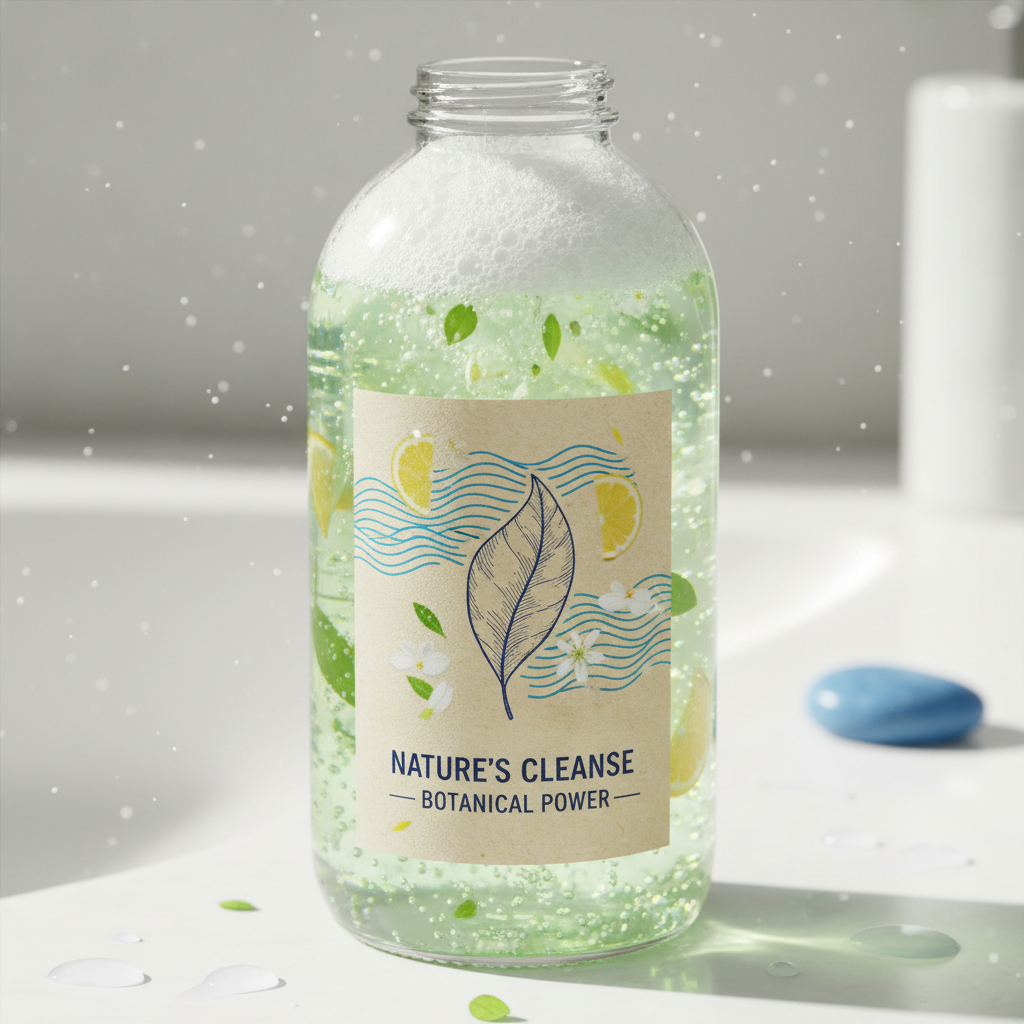
Utilizing green cleaning products in your home offers a multitude of advantages that extend beyond just surface cleanliness, contributing significantly to a healthier living environment. These benefits impact everything from personal health to the longevity of household materials.
Safer for Family and Pets
Green cleaning products are significantly safer for family and pets because they are designed to be non-toxic and free from harsh chemicals. Unlike conventional cleaners that can leave behind toxic residues, green alternatives minimize exposure to substances known to cause skin irritation, respiratory problems, or even internal harm if accidentally ingested. For households with young children who often explore by touching surfaces and putting hands in their mouths, or pets that walk on floors and routinely groom themselves, this reduced chemical exposure is crucial. A 2022 study published in Environmental Health Perspectives noted that children exposed to conventional cleaning products had a higher incidence of asthma-like symptoms compared to those in homes using natural cleaners.
Improved Indoor Air Quality
One of the most immediate benefits of switching to green cleaners is improved indoor air quality. Many conventional cleaning products release Volatile Organic Compounds (VOCs) into the air, which can be inhaled and cause headaches, dizziness, and respiratory issues. Green cleaning products, by contrast, are formulated with low or no VOCs, resulting in fewer airborne pollutants. This reduction in chemical fumes ensures that the air inside your home remains fresher and cleaner, creating a more comfortable and healthier breathing environment for everyone. Data from the U.S. Environmental Protection Agency (EPA) indicates that indoor air pollution can be 2 to 5 times higher than outdoor air, largely due to products like conventional cleaners.
Reduces Allergic Reactions and Irritations
The use of green cleaning products significantly reduces allergic reactions and irritations due to their gentle, hypoallergenic formulations. Common allergens and irritants found in traditional cleaners, such as synthetic fragrances, dyes, and strong acids or bases, are largely absent from green options. This makes them ideal for individuals with sensitive skin, asthma, allergies, or chemical sensitivities. By removing these triggers from your cleaning routine, you can experience fewer skin rashes, watery eyes, sneezing, and breathing difficulties, leading to a more comfortable living experience. Studies show that up to 30% of adults and 40% of children suffer from allergies, with environmental triggers playing a significant role.
Key Insight: Choosing green cleaning products isn’t just a trend; it’s a proactive health measure. The cumulative effect of reducing daily exposure to airborne and surface chemicals can lead to tangible long-term health improvements, particularly for vulnerable populations within a household.
Key Ingredients to Look For in Green Products
Understanding the ingredients in green cleaning products empowers consumers to make informed choices. The most effective green cleaners leverage the natural cleaning power of common, safe substances.
Baking Soda, Vinegar, Citric Acid
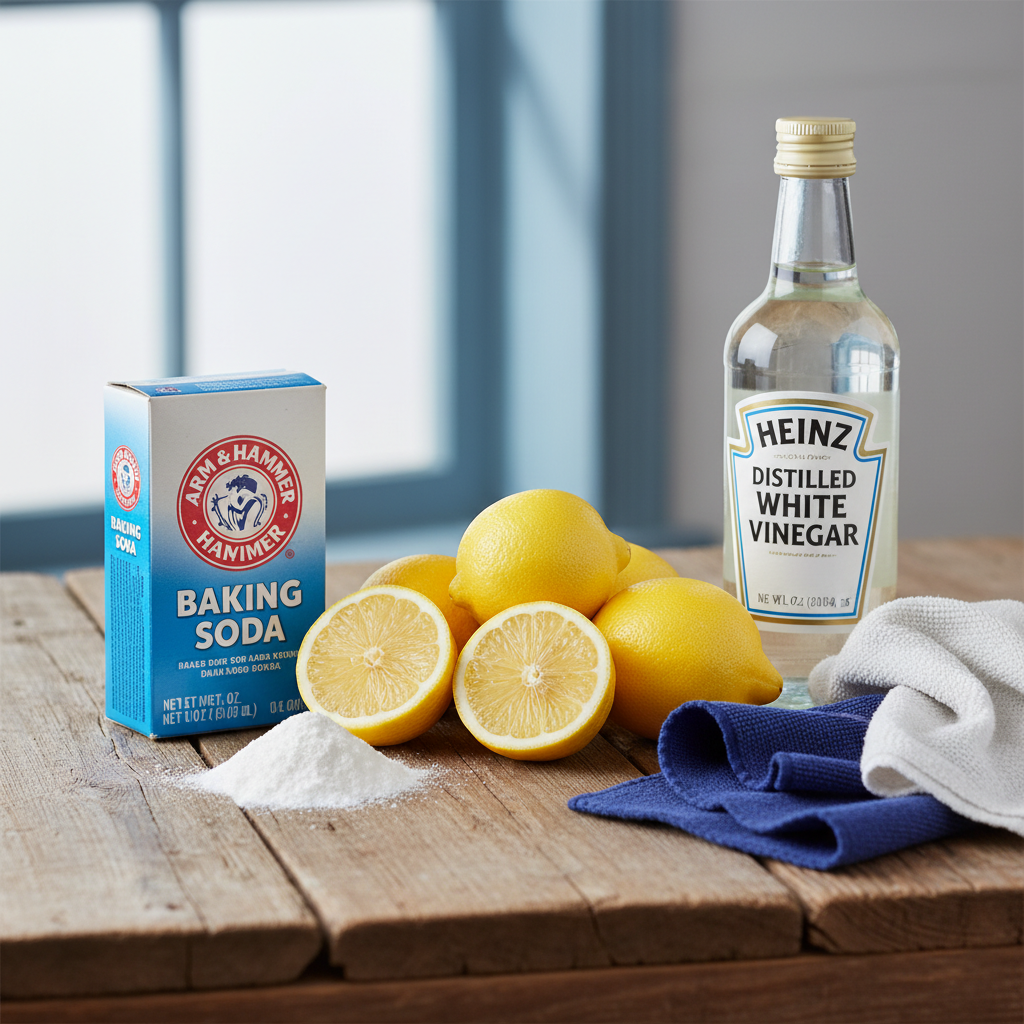
Baking soda, vinegar, and citric acid are three powerhouses found in many effective green cleaning formulations, renowned for their natural cleaning properties. Baking soda (sodium bicarbonate) is a mild abrasive that excels at scrubbing grime, deodorizing, and absorbing odors, making it perfect for sinks, ovens, and refrigerators. Vinegar (acetic acid) is a natural disinfectant, degreaser, and deodorizer that effectively cuts through soap scum, hard water stains, and works as a glass cleaner. Citric acid, derived from citrus fruits, is an excellent descaler and brightener, tackling mold, mildew, and tough stains with its acidic properties. These ingredients are safe, inexpensive, and highly biodegradable.
Essential Oils for Fragrance
Essential oils for fragrance are natural extracts from plants that provide refreshing scents in green cleaning products, replacing artificial perfumes. Common essential oils like lemon, lavender, tea tree, and eucalyptus not only offer pleasant aromas but often possess inherent antimicrobial and antiviral properties. For example, tea tree oil is known for its disinfectant qualities, while lemon oil is a natural degreaser. Unlike synthetic fragrances, which can be complex mixtures of chemicals tied to allergic reactions and respiratory issues, essential oils are generally safer and derived directly from natural sources, enhancing the cleaning experience without harmful side effects.
Plant-Derived Surfactants
Plant-derived surfactants are cleaning agents sourced from plants, typically coconuts or corn, which enable water to mix with oil and dirt, lifting grime from surfaces. Surfactants (surface active agents) reduce the surface tension of water, allowing it to penetrate and dislodge dirt more effectively. In green products, these are often labeled as “coco-glucoside,” “decyl glucoside,” or “lauryl glucoside.” Unlike their petroleum-based counterparts, plant-derived surfactants are biodegradable, less irritating to skin, and typically produced through more sustainable processes, minimizing their environmental impact upon release into wastewater.
Ingredients to Avoid: What’s Hiding in Conventional Cleaners?
Identifying harmful ingredients in conventional cleaners is crucial for making the informed switch to green alternatives. Many common household products contain substances that can negatively impact health and the environment.
Synthetic Fragrances
Synthetic fragrances are complex mixtures of chemicals, often petroleum-derived, used to give cleaning products a pleasant scent. They are one of the most common causes of allergic reactions, asthma attacks, headaches, and skin irritations. Many fragrance components are not disclosed on product labels due to trade secret laws, making it difficult for consumers to know what they are really exposed to. Some synthetic musks have also been linked to hormone disruption. A report by Women’s Voices for the Earth revealed that a single “fragrance” in a cleaning product can contain dozens of undisclosed chemicals, many of which are known irritants or toxins.
Phosphates and Chlorine
Phosphates and chlorine are two highly problematic ingredients commonly found in traditional cleaning products, despite their effective cleaning capabilities. Phosphates are often used in detergents and dishwashing products to soften water and boost cleaning power, but when released into waterways, they act as a super-fertilizer for algae, leading to algal blooms. These blooms deplete oxygen, harming aquatic life and disrupting ecosystems, a process known as eutrophication. Chlorine, typically found in bleach, is a strong disinfectant and whitener. While effective, it produces harsh fumes that can irritate the respiratory system and eyes. When mixed with other household cleaners, chlorine can react to form highly toxic gases like chloramine gas, posing severe health risks.
Formaldehyde
Formaldehyde is a known carcinogen, yet it can be found in some conventional cleaning products, either as a direct ingredient or as a preservative that releases formaldehyde over time (e.g., quaternium-15, DMDM hydantoin). Exposure to formaldehyde can cause respiratory problems, skin irritation, headaches, and has been linked to an increased risk of cancer, particularly nasopharyngeal cancer. Its insidious presence in cleaning products underscores the importance of choosing products with transparent ingredient lists and credible third-party certifications. According to the International Agency for Research on Cancer (IARC), formaldehyde is classified as a Group 1 carcinogen, meaning it is carcinogenic to humans.
| Feature | Green Cleaning Products | Conventional Cleaning Products |
|---|---|---|
| Ingredients | Plant-based, natural minerals, essential oils | Petroleum-based chemicals, synthetic compounds |
| Toxicity | Low to non-toxic, biodegradable | Often highly toxic, non-biodegradable components |
| Fumes/VOCs | Low or no VOCs, natural aromas | High VOCs, strong chemical odors, respiratory irritants |
| Environmental Impact | Minimal water pollution, eco-friendly | Eutrophication, aquatic toxicity, persistent pollutants |
| Health Impact | Reduced allergies/irritations, safer for kids/pets | Increased risk of allergies, respiratory issues, skin burns |
| Scent | From essential oils | From synthetic fragrances |
Where to Buy Green Home Cleaning Products
Accessing green home cleaning products is becoming increasingly easy as consumer demand drives wider availability. Knowing where to look can streamline your shopping experience.
Specialty Eco-Stores
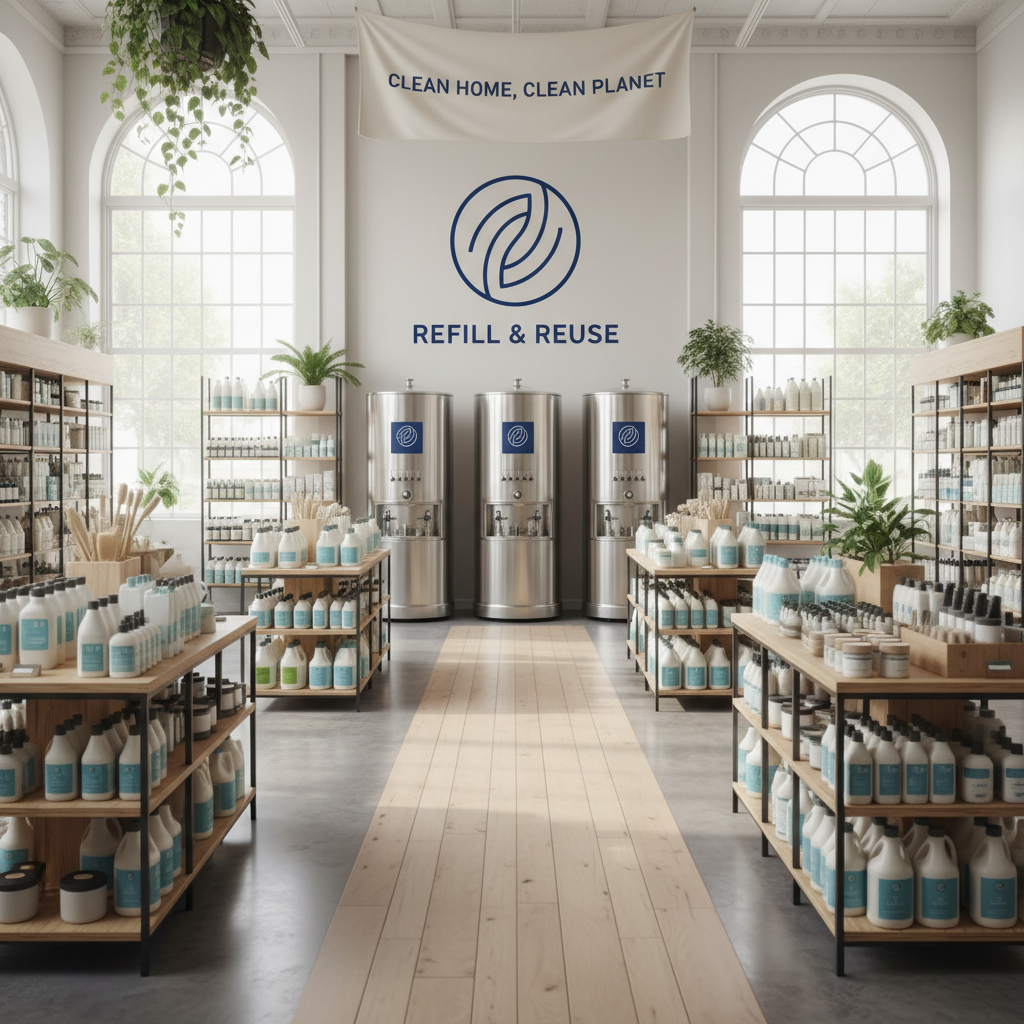
Specialty eco-stores are dedicated retailers that exclusively stock environmentally friendly and sustainable products, including a wide range of green cleaning supplies. These stores often offer a curated selection of brands that adhere to strict environmental and health standards, sometimes even providing bulk refill options to reduce plastic waste. Shopping at a specialty eco-store ensures that products are genuinely green and often provides access to knowledgeable staff who can offer advice and recommendations. Examples include local zero-waste shops, health food stores with eco-sections, and boutiques focusing on sustainable living.
Supermarket Eco-Sections
Many mainstream supermarkets now feature dedicated eco-sections, making green cleaning products more accessible to the average consumer. These sections typically group together brands that market themselves as natural, organic, or environmentally friendly. While the selection might not be as extensive or specialized as in an eco-store, it offers a convenient entry point for those looking to make the switch without traveling to a separate store. Always scrutinize labels in these sections for certifications to ensure products meet genuine green criteria rather than just “greenwashing.”
Reputable Online Retailers
Reputable online retailers offer an extensive selection of green home cleaning products, often at competitive prices and delivered directly to your door. Websites specializing in organic, natural, or sustainable goods, as well as major online marketplaces, carry a vast array of brands and product types. Shopping online allows for easy comparison of ingredients, certifications, and customer reviews, helping you make an informed decision. Look for retailers that prioritize ethical sourcing and transparent ingredient disclosure. Some online platforms even offer subscription services for regular delivery of your favorite green products.
Key Insight: When purchasing green cleaning products, always look for third-party certifications like EPA Safer Choice, Ecocert, or Green Seal. These certifications verify that products meet rigorous standards for human health and environmental safety, cutting through potential “greenwashing” claims.
Cleatra’s Commitment to Using and Recommending Green Solutions
At Cleatra, we are deeply committed to harnessing and recommending green solutions for all our cleaning services, ensuring both exceptional cleanliness and environmental responsibility. We understand that a truly clean home is one that is free from dirt, grime, and harmful chemicals. This commitment guides our choice of products, our training protocols, and our client recommendations.
Our team at Cleatra exclusively uses professional-grade green cleaning products that are effective, non-toxic, and biodegradable. We carefully vet each product to ensure it meets stringent standards for environmental safety and human health, prioritizing plant-derived ingredients and avoiding harsh chemicals like phosphates, chlorine, and synthetic fragrances. This not only protects our cleaning specialists from chemical exposure but also safeguards the health of our clients, their children, and their pets. We believe in providing a cleaning service that leaves your home feeling fresh and healthy, with no lingering chemical odors or residues.
Beyond our own service delivery, Cleatra actively educates clients on the benefits of switching to green cleaning products for their everyday maintenance. We provide tips on identifying truly eco-friendly products, understanding ingredient labels, and even simple DIY green cleaning recipes using household staples like vinegar and baking soda. Our goal is to empower homeowners to make sustainable choices that contribute to better indoor air quality and a reduced environmental footprint, extending our commitment to green living far beyond the duration of our cleaning appointments. We are dedicated to delivering not just a clean space, but a healthier, more sustainable environment for everyone in Singapore.
Frequently Asked Questions
What are the main differences between green and conventional cleaning products?
Green cleaning products use naturally derived, biodegradable ingredients and avoid harsh chemicals like ammonia, bleach, and synthetic fragrances, making them safer for health and the environment. Conventional products often contain petroleum-based chemicals and VOCs that can cause irritation and pollution.
Are green cleaning products as effective as traditional ones?
Yes, modern green cleaning products are highly effective. Advancements in formulations using natural degreasers, abrasives, and disinfectants like citric acid and plant-derived surfactants allow them to tackle dirt, grime, and germs comprehensively without harsh chemicals.
How can I tell if a cleaning product is genuinely “green”?
Look for third-party certifications such as EPA Safer Choice, Green Seal, or Ecocert, and always check the ingredient list for transparency. Genuine green products will clearly list natural ingredients and explicitly state the absence of harmful chemicals like phosphates, phthalates, and synthetic dyes.
Can I make my own green cleaning products at home?
Absolutely. Many effective green cleaning solutions can be made with common household ingredients like white vinegar, baking soda, lemon juice, and essential oils. These DIY options are cost-effective, reduce waste, and allow full control over ingredients.
Are green home cleaning products more expensive?
While some specialty green products might have a slightly higher upfront cost, many are similarly priced to conventional options, especially as demand increases. Considering the health benefits and reduced environmental impact, the long-term value often outweighs any minor price difference.
Do green cleaners have a strong smell?
Green cleaners typically use essential oils or natural extracts for fragrance, resulting in a milder, more natural scent compared to the strong chemical smells of conventional cleaners. Many are also available completely fragrance-free for those with sensitivities.
Conclusion
Embracing green home cleaning products is a vital step toward creating a healthier, safer, and more sustainable living environment for everyone. By understanding what defines these products, recognizing their numerous benefits for both your family and the planet, and knowing which ingredients to seek out and avoid, you can make informed choices that align with your values. Making the switch isn’t just about cleaning; it’s about investing in well-being and environmental stewardship.