Tackling Tough Stains: A Singaporean’s Guide to Stain Removal Services
Dealing with stubborn stain removal services Singapore can be a persistent challenge for homeowners and businesses alike, often leaving behind unsightly marks that diminish the appearance of carpets, upholstery, and other surfaces. Professional services offer effective and safe solutions to tackle these issues, restoring the cleanliness and aesthetic appeal of your living or working spaces. This guide will explore the nuances of stain removal, from common culprits to advanced professional techniques available in Singapore.
Quick Answer:
- Professional stain removal effectively tackles stubborn marks on carpets, upholstery, and other surfaces.
- DIY methods often fall short or can worsen stains due to incorrect product application or technique.
- Specialised services in Singapore, like Cleatra’s, use advanced equipment and eco-friendly solutions for deep cleaning.
- Benefits include extended fabric life, improved hygiene, and restoration of your property’s aesthetic value.
- Identifying the stain type and surface material is crucial for successful and safe removal.
Table of Contents
- The Frustration of Tough Stains
- Common Types of Stains in Singaporean Homes
- Why DIY Stain Removal Often Fails (or Worsens)
- The Science Behind Professional Stain Removal
- Cleatra’s Advanced Stain Removal Techniques
- Services Offered: Carpets, Upholstery & More
- Benefits of Professional Stain Removal
- When to Call the Experts: Signs Your Stain Needs Pro Help
- Frequently Asked Questions
- Conclusion
The Frustration of Tough Stains
Tough stains are discolored marks embedded within materials that resist typical cleaning efforts, causing frustration for property owners. They detract from the aesthetic appeal of a space and can often be a source of embarrassment, especially when guests visit. From spilled coffee on a plush carpet to a mysterious mark on a beloved sofa, these blemishes can make even the cleanest home feel untidy.
The challenge intensifies in Singapore’s humid climate, where spills can quickly set and become more difficult to remove if not addressed promptly. Many people attempt DIY solutions out of convenience or to save costs, but this approach often yields unsatisfactory results or, worse, irreversible damage. Understanding when to seek professional help can save time, effort, and ultimately, your valuable furnishings.
Common Types of Stains in Singaporean Homes
Singaporean homes often contend with a variety of stubborn stains, primarily due to daily activities, climate, and common household items. Identifying the type of stain is the first crucial step in effective removal. These classifications help professionals choose the most appropriate cleaning agents and techniques, ensuring the best possible outcome without damaging the underlying material.
- Organic Stains: These include food spills like coffee, tea, red wine, sauces, and condiments. Pet accidents, blood, and vomit also fall into this category. Organic stains are common in areas with high foot traffic or where meals are frequently consumed, such as dining rooms and living rooms.
- Ink and Dye Stains: Accidental marks from pens, markers, or even dye transfer from clothing can be particularly challenging. These stains penetrate fabric fibers deeply and require specific solvents for effective removal. Children’s play areas and home offices are frequent targets for these types of stains.
- Grease and Oil Stains: Cooking oils, lotions, cosmetics, and lubricant spills create oily residues that attract dirt and darken over time. These hydrophobic stains resist water-based cleaning and often require specialized degreasing agents. Kitchens and bedrooms are common locations for these spills.
- Mud and Dirt Stains: With Singapore’s frequent rains, mud and dirt tracked in from outside can easily soil carpets and rugs. While seemingly straightforward, these stains often contain fine particulate matter that can become trapped within fabric fibers, making thorough removal difficult without professional equipment.
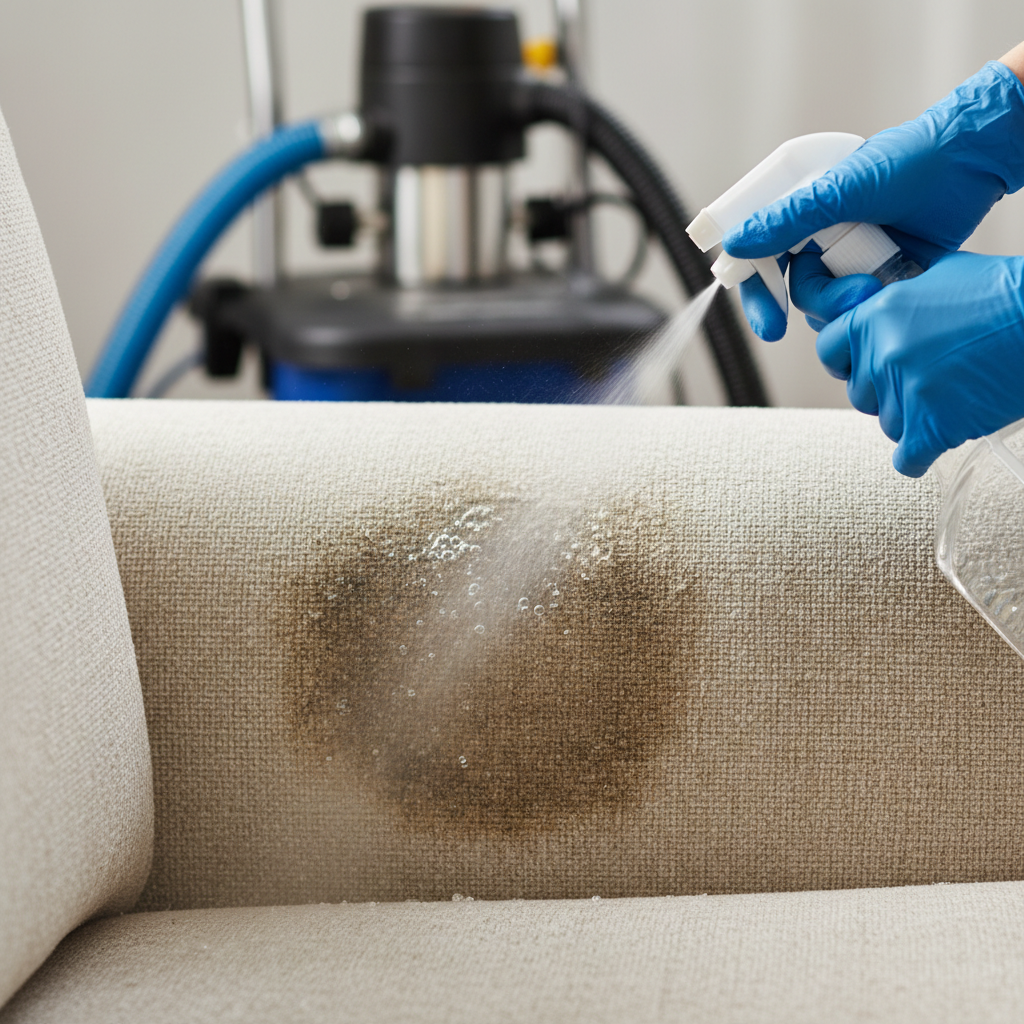
- Mildew and Mold Stains: High humidity in Singapore makes fabrics susceptible to mold and mildew growth, especially in poorly ventilated areas or if items remain damp. These stains not only look unsightly but can also pose health risks. They often leave dark, patchy marks and a musty odor.
Understanding the specific nature of these stains is critical for successful fabric stain cleaning. For instance, a protein-based stain like blood requires a different approach than an oil-based stain. Using the wrong product can set the stain permanently or damage the fabric.
Why DIY Stain Removal Often Fails (or Worsens)
DIY stain removal frequently fails or exacerbates the problem because home remedies and general-purpose cleaners lack the specific chemical properties and professional application techniques required for deep-seated stains. Many homeowners respond to stains with immediate panic, often reaching for common household products like dish soap, vinegar, or baking soda without understanding the stain’s composition or the fabric’s reaction. This can lead to a host of negative outcomes, from spreading the stain to permanently damaging the material.
One common mistake is over-wetting the stained area, especially on carpets and upholstery. Excessive moisture can lead to several issues:
- Wicking: The liquid can seep into the padding beneath the carpet or upholstery fabric, dissolving dirt and bringing it back to the surface as it dries. This can make the stain reappear or even enlarge it, a phenomenon known as wicking.
- Mold and Mildew Growth: In Singapore’s humid climate, damp fabrics create an ideal breeding ground for mold and mildew within hours. This introduces new stains, unpleasant odors, and potential health hazards.
- Fabric Damage: Over-wetting can weaken fabric fibers, cause shrinkage, or lead to discoloration, especially with delicate materials.
Another significant issue is using the wrong cleaning agent. Different stains have different chemical compositions:
- Acidic stains (like red wine or coffee) often react poorly with alkaline cleaners, and vice-versa.
- Protein-based stains (like blood or food) can set permanently if exposed to hot water or inappropriate chemicals, “cooking” the protein into the fibers.
- Dye-based stains (like ink) require specific solvents that general cleaners do not contain. Incorrect application can spread the dye, making the stain larger and more difficult to remove.
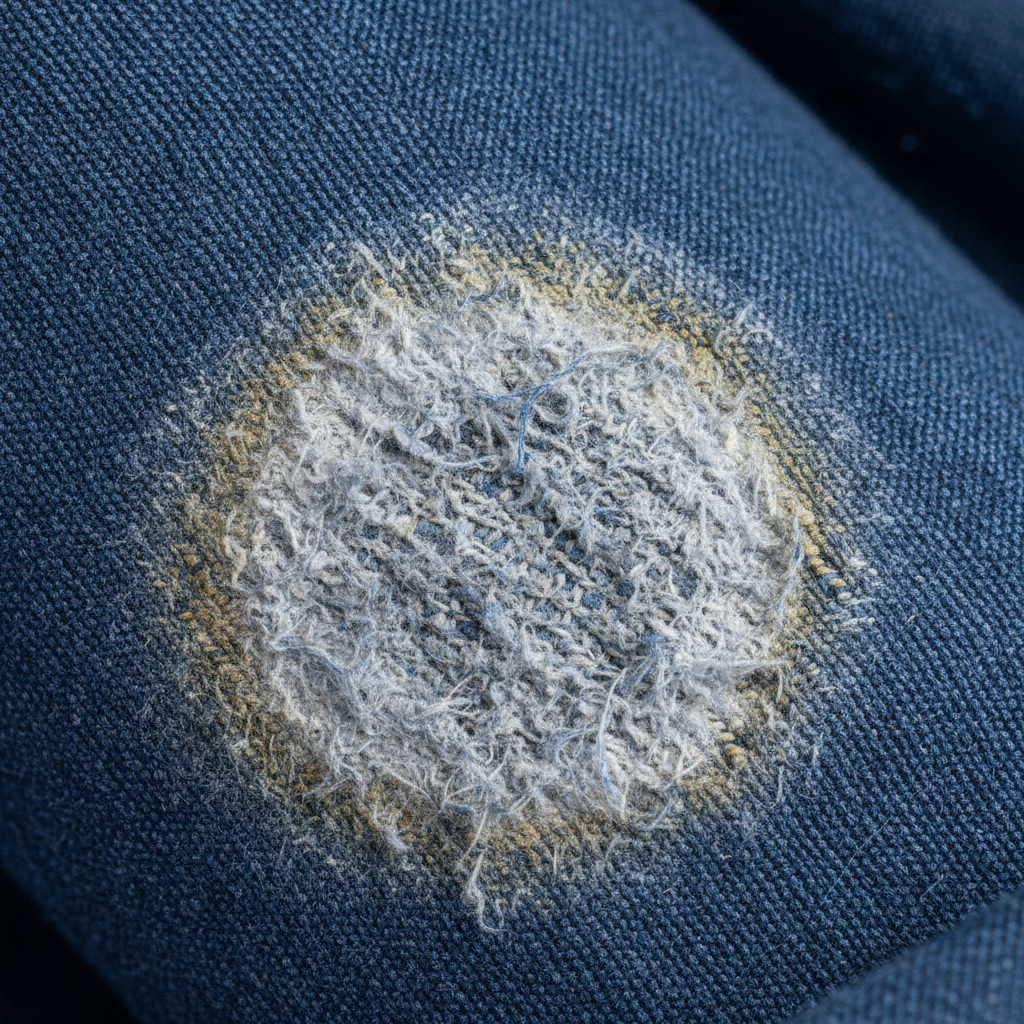
Aggressive scrubbing is another common DIY pitfall. While intuitive, harsh scrubbing can damage fabric fibers, abrade the surface, or spread the stain further into the material. This is particularly true for delicate woven fabrics or plush carpets, where fibers can become matted or frayed. The friction can also generate heat, which can set certain types of stains. Approximately 70% of DIY stain removal attempts result in either partial removal, no observable change, or outright worsening of the stain, according to anecdotal reports from professional cleaning companies. This underscores the complexity of stain chemistry and fabric care, highlighting why a professional approach is often the most effective.
The Science Behind Professional Stain Removal
Professional stain removal is not just about applying cleaning solutions; it involves a meticulous, scientific approach to identify, treat, and extract stains without damaging the underlying material. This process combines chemistry, knowledge of fabric science, and advanced equipment to achieve superior results. Trained technicians understand that effective stain removal relies on breaking down the molecular bonds of the stain, rather than just masking it.
The process typically begins with stain identification. Experts analyze the color, texture, and origin of the stain to determine its chemical composition (e.g., protein, oil, dye, tannin). This crucial step dictates the choice of cleaning agents, as different stain types react variably to different pH levels and chemical compounds. For instance, an enzymatic cleaner is ideal for protein-based stains, while a solvent-based solution is needed for oil and grease.
Next, technicians perform a fabric test on an inconspicuous area to assess the material’s colorfastness and potential reactivity to the chosen cleaning solution. This prevents irreversible damage such as bleaching, shrinkage, or texture alteration. This step is particularly vital for delicate or mixed-fiber upholstery and carpets, which can be highly sensitive.
The direct removal involves several techniques, often in combination:
- Chemical Action: Specialized spot treatments are applied directly to the stain. These solutions are formulated to encapsulate, dissolve, or break down the stain at a molecular level. For example, oxidizers are used for organic dyes, reducing agents for synthetic dyes, and surfactants for lifting dirt particles.
- Agitation: Gentle agitation, using specialized brushes or tools, helps the cleaning solution penetrate the fibers and loosen the stain particles. This is done carefully to avoid damaging the fabric.
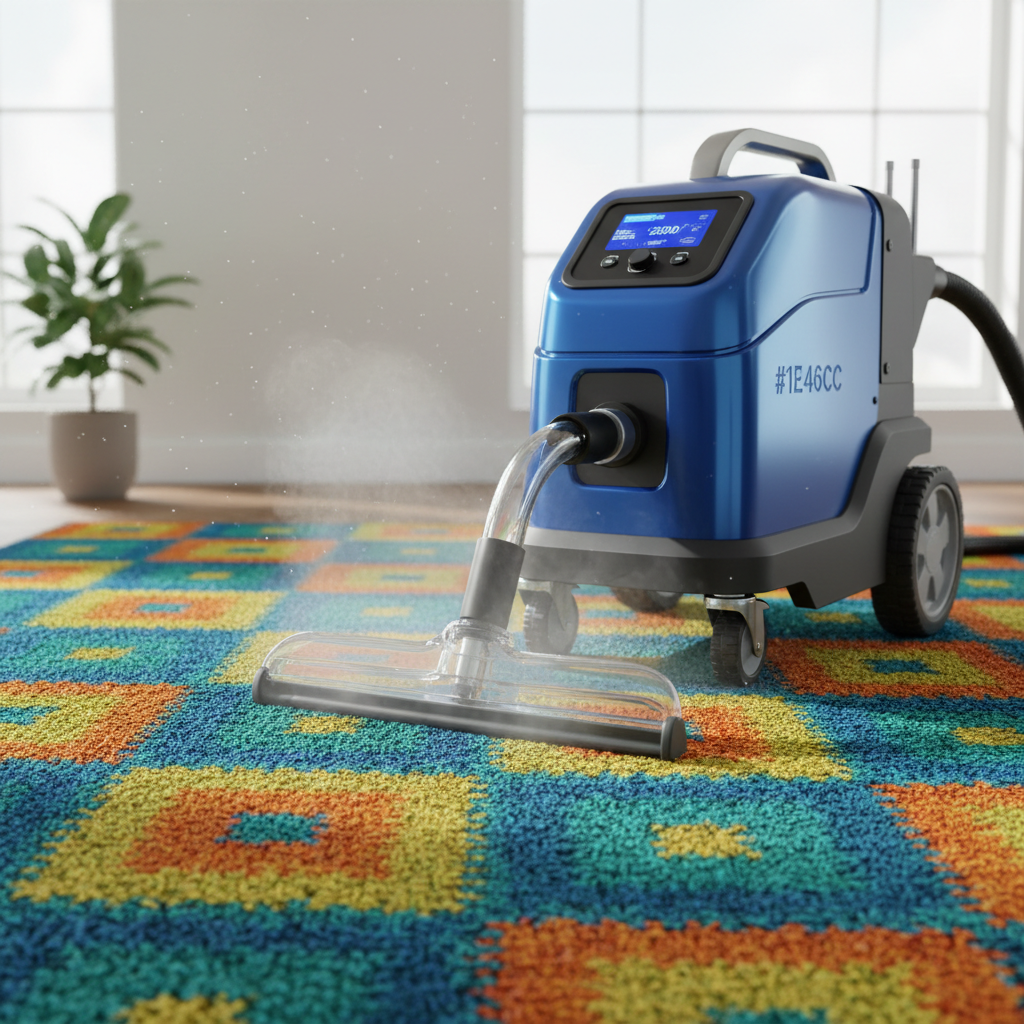
- Extraction: High-powered carpet stain remover and upholstery cleaning machines, such as hot water extraction (steam cleaning) units, are used to flush out the loosened stain particles and cleaning solution. These machines inject a solution (water and mild cleaning agents) deep into the fabric and simultaneously vacuum it out, removing dirt, allergens, and moisture. This process prevents residue buildup that could re-attract dirt or contribute to wicking.
- Rinsing and Drying: After extraction, the area is thoroughly rinsed to remove all chemical residues. Powerful drying equipment, like air movers, is often used to accelerate the drying process, preventing mold growth and ensuring the fabric returns to its original condition quickly.
Key Insight: The effectiveness of professional stain removal lies in the precise application of chemistry, tailoring the cleaning agent and method to the specific stain and fabric, coupled with powerful extraction to remove all residues. This methodical approach ensures not only stain removal but also the preservation of the material’s integrity and appearance.
| Factor | DIY Stain Removal | Professional Stain Removal |
|---|---|---|
| Identification | Guesswork, often leads to wrong treatment | Expert analysis of stain composition and fabric type |
| Solutions | General household cleaners, often inappropriate | Specialized, high-grade, pH-balanced solutions |
| Equipment | Basic sponges, cloths, small home machines | Industrial-grade extractors, specific brushes, drying tools |
| Technique | Scrubbing, dabbing; risks spreading or damaging | Controlled application, gentle agitation, powerful extraction |
| Results | Mixed; often partial removal, spreading, or damage | High success rate; complete removal with fabric preservation |
| Drying | Air drying, prone to mold and re-soiling | Accelerated drying with air movers to prevent issues |
Cleatra’s Advanced Stain Removal Techniques
Cleatra employs a multi-faceted approach to professional stain removal in Singapore, leveraging cutting-edge technology and expertly formulated solutions to tackle even the most stubborn marks. Our methods are designed to be highly effective while remaining safe for various fabric types and environmentally friendly. This commitment ensures that your property not only looks clean but is also healthy and well-maintained.
Our process begins with a meticulous pre-inspection to identify the stain type, its age, and the underlying material. This allows our trained technicians to select the most appropriate treatment plan. For instance, an enzymatic cleaner might be used for protein-based organic stains, while a solvent-based solution is reserved for oil and grease marks. This targeted approach significantly increases the success rate and minimizes the risk of damage.
Key techniques and tools include:
- Hot Water Extraction (HWE): Also known as steam cleaning, this is our primary method for deep cleaning carpets and durable upholstery. HWE involves injecting a mixture of hot water and eco-friendly cleaning detergents deep into the fibers under high pressure, then immediately extracting it along with the dissolved dirt and stain particles. This powerful process ensures thorough cleaning and efficient stain removal without over-wetting, which is critical in preventing mold and mildew in Singapore’s climate.
- Specialised Spot Treatments: For specific, stubborn marks that require intensive care, we use a range of professional-grade spot treatments. These include:
- Oxidizers: For brightening and removing colored dyes.
- Reducing Agents: To neutralize certain organic stains.
- Enzyme Digesters: To break down biological matter like pet urine or food spills.
- Solvents: For dissolving oil, grease, ink, and paint.
- Encapsulation Cleaning: For carpets and rugs that require lighter cleaning or have less severe staining, we utilize encapsulation. This method involves applying a polymeric solution that crystallizes around dirt and stain particles. Once dry, these encapsulated particles are easily vacuumed away, providing a fresh, clean surface with minimal drying time. This is particularly effective for maintenance cleaning and preventing future re-soiling.
- Low-Moisture Upholstery Cleaning: Delicates like silk, velvet, or certain natural fabrics can be damaged by excessive moisture. For these, we employ low-moisture cleaning techniques, which use specially formulated dry solvents or minimal-moisture foams. This method gently lifts stains and dirt without saturating the fabric, ensuring quick drying and preserving the material’s integrity.
- Odor Removal: Stains, especially those from pets or food, can leave lingering odors. Cleatra incorporates professional-grade deodorizers and odor neutralizers that chemically break down odor-causing molecules, rather than just masking them. This leaves your space smelling truly fresh and clean.
Services Offered: Carpets, Upholstery & More
Cleatra provides comprehensive stain removal services Singapore, designed to address a wide array of stains across various surfaces in homes and offices. Our specialized techniques and equipment cater to the unique needs of different materials, ensuring effective cleaning without compromising fabric integrity. We understand that each surface type requires a specific approach to achieve optimal results.
Our core services include:
- Carpet Stain Removal: We tackle everything from everyday spills to deeply embedded grime on all types of carpets, including wool, synthetic, and delicate blends. Our methods ensure complete extraction of stains, dirt, and allergens, extending the life of your carpet and improving indoor air quality. We use powerful hot water extraction units for thorough cleaning, combined with targeted stain treatments for specific marks.
- Upholstery Stain Removal: Your sofas, chairs, and other upholstered furniture are prone to stains from daily use. Our upholstery stain removal service carefully cleans and revitalizes your furniture. We assess the fabric type (e.g., cotton, linen, silk, synthetic blends) to select the safest and most effective cleaning agents and techniques, preventing shrinkage, discoloration, or damage. Low-moisture and dry cleaning options are available for sensitive materials.
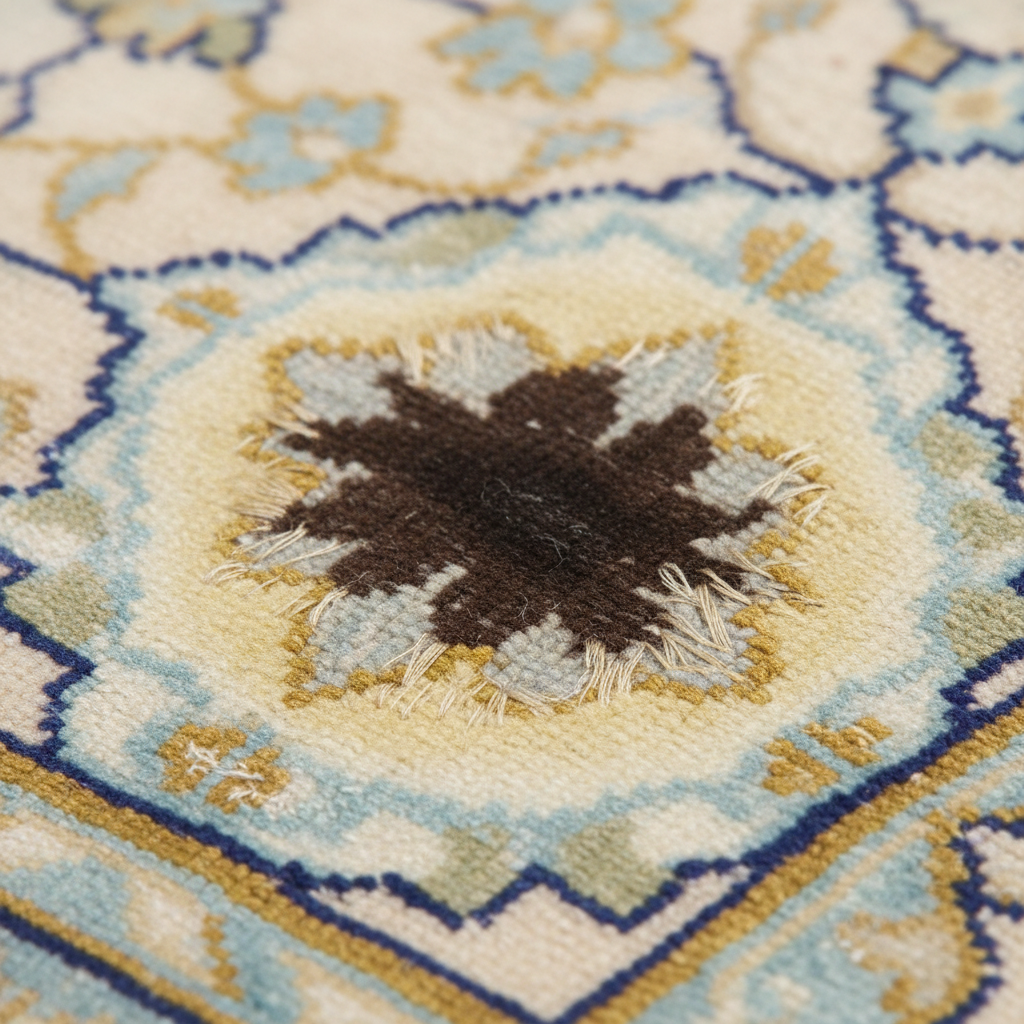
- Rug Cleaning: From antique Persian rugs to modern area rugs, we handle all types with meticulous care. Rugs often present unique challenges due to their varied constructions and dye stability. Our technicians are trained to identify these nuances, apply appropriate cleaning agents, and use specialized hand-cleaning or gentle machine methods to preserve their beauty and integrity.
- Mattress Cleaning: Mattresses can accumulate sweat, body oils, dust mites, and accidental spills over time, leading to stains and allergens. Our deep cleaning process for mattresses targets these issues, removing stains and significantly reducing dust mite populations, which is crucial for a healthy sleeping environment, especially for allergy sufferers.
- Curtain Cleaning: Curtains collect dust, allergens, and can develop stains from environmental factors. We offer on-site curtain cleaning or removal for off-site specialist treatment, depending on the fabric and severity of the stains. This restores their fresh appearance and contributes to a cleaner home atmosphere.
Key Insight: Professional services excel by offering tailored stain removal solutions for each specific material and stain type, avoiding the one-size-fits-all approach often associated with DIY methods. This customization is crucial for effective and safe cleaning of delicate and valuable household items.
Benefits of Professional Stain Removal
Professional stain removal offers numerous advantages over DIY methods, significantly enhancing the appearance, hygiene, and longevity of your home furnishings. Investing in expert services translates into both immediate and long-term benefits for your property in Singapore.
- Effective and Complete Stain Eradication: Professionals possess the knowledge, specialized chemicals, and powerful equipment to effectively break down and extract stubborn stains that DIY efforts often cannot. This means a higher success rate in completely removing unsightly marks, rather than just lightening them.
- Preservation of Fabric and Material Integrity: Trained technicians understand different fabric types and their sensitivities. They use appropriate pH-balanced solutions and gentle techniques, preventing damage such as fabric shrinkage, discoloration, fading, or texture alteration that can occur with incorrect DIY methods. This extends the lifespan of your valuable carpets, upholstery, and rugs.
- Improved Indoor Air Quality and Hygiene: Stains, especially those from organic sources like pet accidents, food, or mold, can harbor bacteria, allergens, and odors. Professional cleaning deeply penetrates fibers, removing these contaminants along with the stain itself. This results in a healthier living environment by reducing allergens, mold spores, and unpleasant smells. A 2024 study by the Institute of Inspection, Cleaning and Restoration Certification (IICRC) indicated that professional carpet cleaning can remove up to 90% of bacteria and allergens.
- Time and Effort Savings: Tackling tough stains can be a time-consuming and labor-intensive process, often requiring multiple attempts with uncertain outcomes. Hiring professionals frees up your time and eliminates the physical effort of scrubbing and cleaning, allowing you to focus on other priorities.
- Restoration of Aesthetic Appeal: Clean, stain-free carpets and upholstery instantly uplift the appearance of any room. Professional stain removal restores the original beauty and freshness of your furnishings, making your home or office more inviting and pleasant. This can also increase the perceived value of your property.
- Prevention of Future Stains: Many professional cleaning services apply protective treatments (e.g., fabric protectors) after stain removal. These treatments create a barrier that repels spills and dirt, making subsequent cleaning easier and helping to prevent future permanent stains.
When to Call the Experts: Signs Your Stain Needs Pro Help
Knowing when to call in the experts for your stain problems can save you time, money, and the anguish of irreversible damage. While minor, fresh spills might be manageable with quick action, certain indicators clearly signal that your stain requires professional stain removal attention. Ignoring these signs can lead to deeper penetration, setting of the stain, or damage to the fabric.
Here are the key signs that it’s time to call the professionals:
- The Stain is Old and Set: Once a stain has dried or been left untreated for a significant period (e.g., several days or weeks), its molecules bond more firmly with the fabric fibers, making DIY removal extremely difficult. These set stains often require specific chemical treatments and hot water extraction techniques that only professionals possess.
- You Don’t Know the Source of the Stain: If you can’t identify what caused the stain, it’s safer to call a professional. Different stains (e.g., oil-based, protein-based, dye-based) require different cleaning agents. Guessing the source and using the wrong product can chemically “set” the stain, making it impossible to remove later, or even damage the fabric.
- The Fabric is Delicate or Expensive: Materials like silk, velvet, antique rugs, or high-end upholstery require delicate handling. Using harsh chemicals or aggressive scrubbing on these fabrics can lead to irreparable damage like shrinkage, color bleeding, or fiber distortion. Professionals have the expertise and specialized low-moisture or dry-cleaning methods for sensitive materials.
- Previous DIY Attempts Failed or Worsened the Stain: If you’ve tried to remove the stain yourself and it hasn’t budged, has spread, or has left a ring, it’s time to stop and call for help. Further DIY attempts will likely compound the problem, potentially driving the stain deeper or causing permanent fabric damage.
- Large Area Stains or Multiple Stains: While a small spot might be manageable, large area stains or multiple smaller stains over a significant surface area indicate a need for professional equipment and thorough cleaning processes, such as hot water extraction, for comprehensive removal and even drying.
- Presence of Strong Odors: Stains, particularly those from pet urine, vomit, or spills of perishable food, often embed unpleasant odors deep within the fabric and padding. DIY cleaners might mask the smell temporarily, but professional services use enzyme-based treatments and powerful extraction to chemically neutralize and remove the odor-causing bacteria at its source.
- Stains Affecting Health (Mold/Mildew): If you notice dark, fuzzy spots or a persistent musty smell, especially in Singapore’s humid climate, it’s likely a mold or mildew stain. These can pose health risks (respiratory issues, allergies). Professionals have the expertise and protective gear to safely and effectively remove mold without spreading spores.
Frequently Asked Questions
How quickly should I address a stain for the best removal results?
For the best chances of complete stain removal services Singapore, you should address a stain as quickly as possible, ideally within the first few minutes or hours of the spill. Fresh stains are much easier to extract before they have a chance to dry, set, and bond with the fabric fibers.
Are professional stain removal services safe for pets and children?
Yes, reputable professional stain removal services use eco-friendly, non-toxic, and biodegradable cleaning solutions that are safe for households with pets and children. Always confirm with your chosen service provider about the products they use.
Can all types of stains be completely removed?
While professional services have a very high success rate, not all stains can be completely removed, particularly if they are very old, have been treated incorrectly multiple times, or involve permanent dyes that have altered the fabric’s color. However, professionals can significantly lighten or minimize the appearance of even the toughest marks.
How long does it take for carpets or upholstery to dry after professional stain removal?
Drying times generally range from 4 to 12 hours, depending on the fabric type, the severity of the stain, the cleaning method used (e.g., hot water extraction vs. low-moisture), and the ambient humidity levels. Professionals often use high-velocity air movers to accelerate the drying process.
Does professional stain removal help with odors?
Yes, professional stain removal often includes specialized odor neutralizers and enzymatic cleaners that chemically break down and eliminate odor-causing bacteria at their source, rather than just masking them. This is particularly effective for pet urine or organic spill odors.
How often should I get professional stain removal or carpet cleaning?
For general maintenance and to prevent the buildup of tough stains, it is recommended to have your carpets and upholstery professionally cleaned every 6 to 18 months, depending on foot traffic, presence of pets, children, or allergy sufferers. Spot treatment for specific stains can be done as needed.
Conclusion
Tackling tough stains demands a strategic and informed approach, often extending beyond the capabilities of household remedies. For residents and businesses in Singapore, understanding the nuances of stain types and the science behind their removal is crucial. Stain removal services Singapore offer a professional, efficient, and ultimately more effective solution than DIY attempts, safeguarding your valuable furnishings and restoring their original beauty. By opting for expert assistance, you not only eliminate unsightly marks but also benefit from enhanced hygiene, extended material lifespan, and improved indoor air quality.