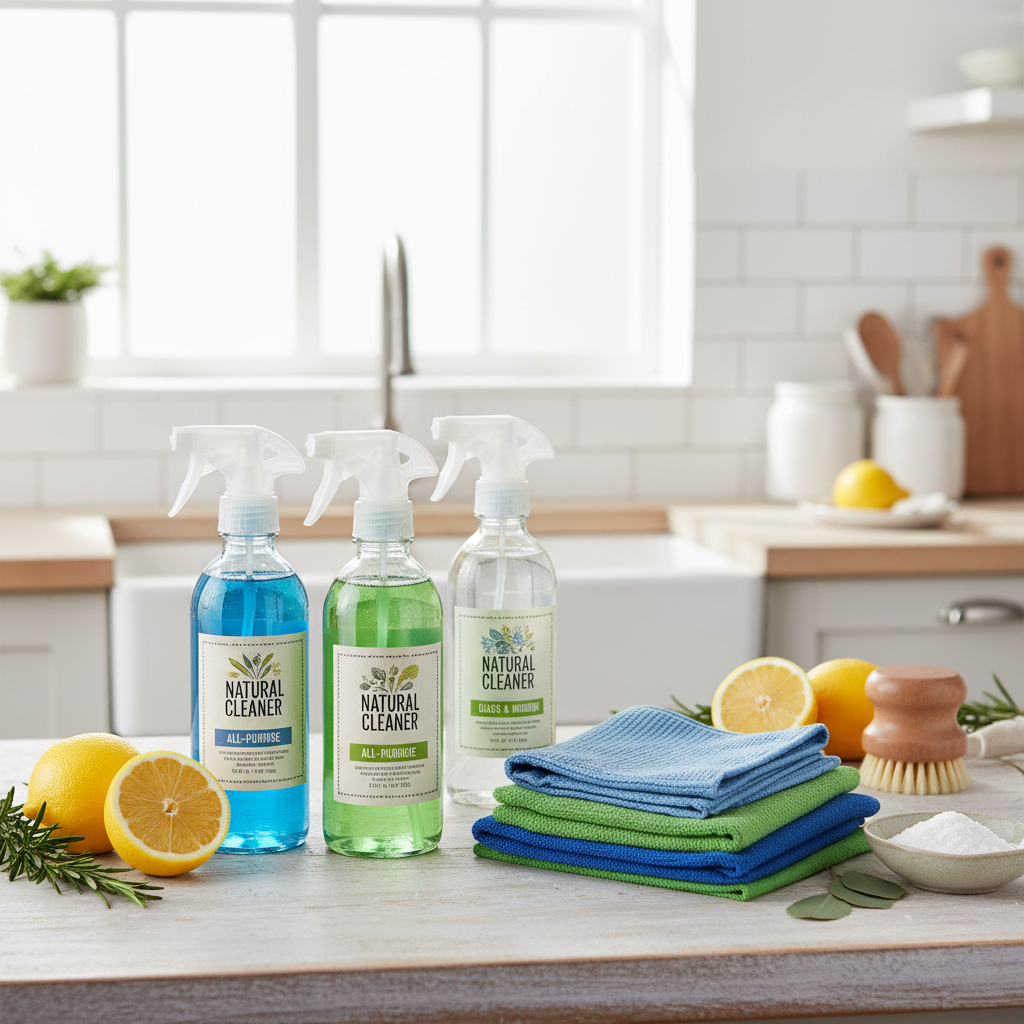
Your Guide to a Comprehensive Green Cleaning Products List
Building a comprehensive green cleaning products list helps you make informed choices for a healthier home and planet. This guide presents essential eco-friendly cleaning options for every area of your home, ensuring a sparkling clean without harsh chemicals.
Quick Answer:
- A green cleaning products list helps simplify sustainable choices and create a chemical-free home.
- Key kitchen essentials include concentrated dish soap, all-purpose cleaner, and baking soda-based oven cleaner.
- For bathrooms, opt for natural toilet bowl cleaners, vinegar-based tile cleaners, and mold removers.
- In the laundry room, choose eco-friendly detergents, natural stain removers, and wool dryer balls.
- DIY basics like vinegar and baking soda, along with reusable tools, form the foundation of green cleaning.
Table of Contents
- Why Create a Green Cleaning Products List?
- Simplifying Your Sustainable Choices
- Ensuring a Chemical-Free Home
- Saving Time and Money
- Essential Green Cleaning Products for the Kitchen
- Dish Soap (Concentrates, Bars)
- All-Purpose Cleaner (Spray, Concentrate)
- Oven Cleaner (Baking Soda & Vinegar Based)
- Dishwasher Detergent
- Green Solutions for a Spotless Bathroom
- Toilet Bowl Cleaner
- Shower/Tile Cleaner
- Glass & Mirror Cleaner
- Mold & Mildew Remover
- Laundry Room Green Essentials
- Laundry Detergent (Pods, Liquid, Strips)
- Stain Removers
- Fabric Softeners/Dryer Balls
- All-Purpose Green Cleaners and Tools
- Vinegar and Baking Soda (DIY Basics)
- Microfiber Cloths and Reusable Sponges
- Essential Oils for Scent
- Where to Shop for Your Green Cleaning Products in Singapore
- Local Eco-Stores and Marketplaces
- Reputable Online Retailers
- Cleatra’s Preferred Green Products
- Frequently Asked Questions
- Conclusion
Why Create a Green Cleaning Products List?
Creating a green cleaning products list serves as a strategic approach to maintaining a healthy home environment and supporting environmental sustainability. It empowers consumers to make informed decisions that avoid harmful chemicals often found in conventional cleaning supplies.
Simplifying Your Sustainable Choices
A curated green cleaning products list streamlines your shopping process by clearly outlining specific products that meet your eco-friendly criteria. This reduces decision fatigue and prevents impulse purchases of less sustainable alternatives. For instance, knowing you need a plant-based all-purpose cleaner with minimal packaging helps you filter options quickly.
Ensuring a Chemical-Free Home
Using products from a green cleaning products list significantly reduces the presence of volatile organic compounds (VOCs), phthalates, and ammonia in your home, which are common in traditional cleaners. According to a 2018 study published in Environmental Science & Technology, indoor air pollution levels can be two to five times higher than outdoor levels, partly due to chemical cleaning products. By opting for non-toxic product recommendations, you minimize exposure to irritants and allergens, creating a safer space for everyone, especially children and pets.
Saving Time and Money
While some green products might have a slightly higher upfront cost, many are concentrated or offer refillable options, leading to long-term savings. Furthermore, embracing simpler, multi-purpose ingredients like vinegar and baking soda from your natural cleaners guide can replace numerous specialized products. For example, a single bottle of concentrated all-purpose cleaner can last as long as several bottles of conventional cleaners, reducing both expenditure and trips to the store.
Key Insight: Transitioning to green cleaning isn’t just about product alternatives; it’s a holistic shift that improves indoor air quality, reduces waste, and fosters a healthier living space, often with financial benefits over time.
Essential Green Cleaning Products for the Kitchen
The kitchen, a hub for food preparation, benefits immensely from eco-friendly cleaning checklist items to ensure food safety and minimize chemical residues. It’s crucial to select products that are effective against grease and grime but gentle enough for surfaces where food is handled.
Dish Soap (Concentrates, Bars)
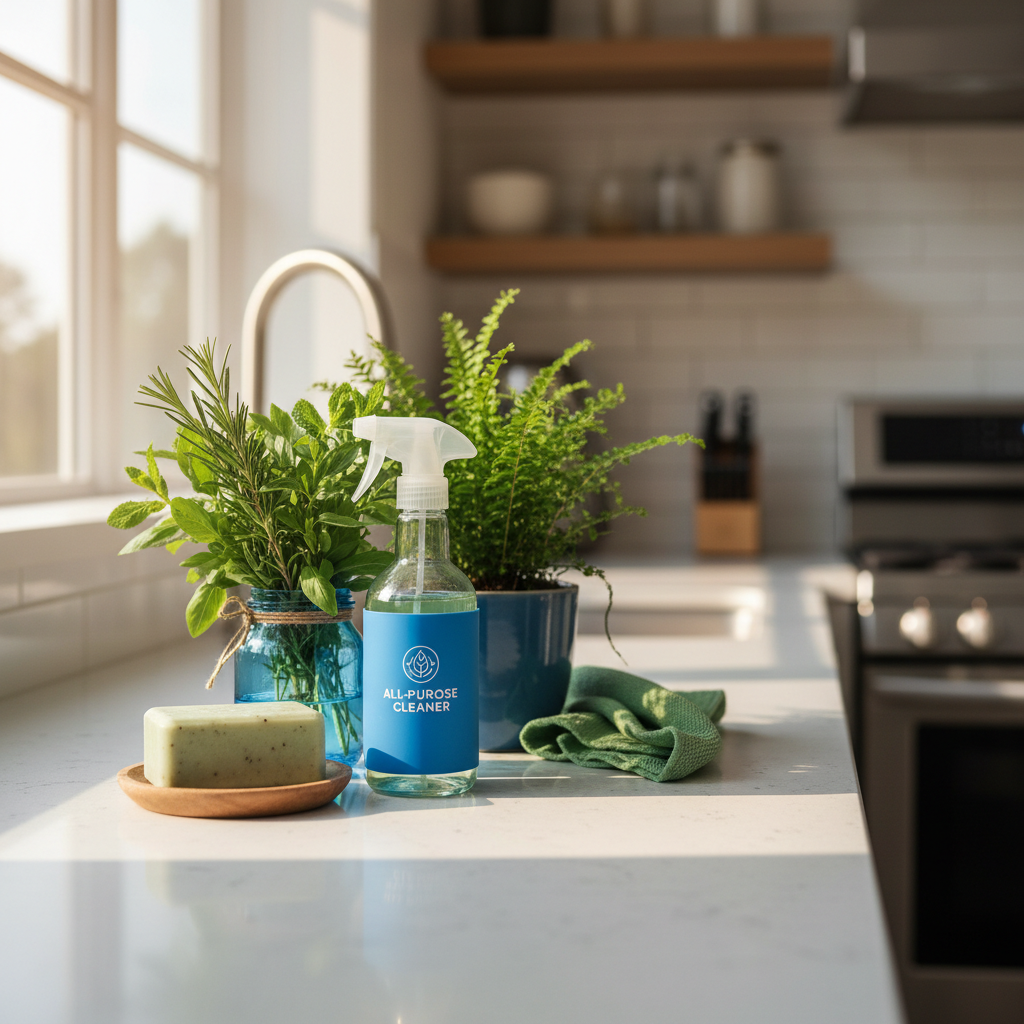
Eco-friendly dish soap effectively cuts through grease while being gentle on hands and the environment. Many brands offer concentrated liquid formulas packaged in recycled materials, requiring less product per wash and reducing overall plastic waste. Alternatively, solid dish soap bars are rapidly gaining popularity for their zero-waste packaging and powerful cleaning capabilities, often lasting much longer than liquid counterparts. Look for ingredients like plant-derived surfactants and essential oils, avoiding phosphates and synthetic fragrances.
All-Purpose Cleaner (Spray, Concentrate)
A natural all-purpose cleaner is versatile enough for countertops, sinks, stovetops, and even floors. These often come in spray bottles that can be refilled with concentrated solutions, further reducing plastic use. Ingredients typically include plant-based cleaning agents, citrus extracts, and sometimes mild acids like citric acid. When choosing, ensure it’s safe for various kitchen surfaces, including natural stone if applicable, and free from ammonia or chlorine bleach.
Oven Cleaner (Baking Soda & Vinegar Based)
Conventional oven cleaners are among the most toxic products in a household, containing strong lye and fumes. A green oven cleaner alternative often relies on the abrasive power of baking soda combined with the degreasing action of vinegar. A simple paste of baking soda and water left overnight can loosen baked-on grime, which can then be scrubbed away and wiped clean with vinegar, eliminating the need for harsh chemicals.
Dishwasher Detergent
Eco-friendly dishwasher detergents ensure your dishes are spotless without leaving behind harmful residues. These are typically available in enzyme-based powders, gels, or pods, designed to break down food particles and grease effectively. Key features to look for include phosphate-free, chlorine-free formulas that are biodegradable and come in minimal or recyclable packaging. Using the correct amount is also crucial for optimal performance and reducing environmental impact.
Green Solutions for a Spotless Bathroom
Bathrooms present unique cleaning challenges, including soap scum, hard water stains, and mildew, all of which can be tackled with items from a comprehensive eco-friendly cleaning checklist. Focusing on natural acids and mold inhibitors helps maintain hygiene without harsh fumes.
Toilet Bowl Cleaner
A natural toilet bowl cleaner effectively removes stains and odors using ingredients like citric acid, baking soda, and essential oils. Instead of bleach, which can be irritating, these cleaners rely on natural disinfectants and scrubbing agents. Many green options come in liquid or powder form, sometimes with a mild abrasive for tough rings, leaving a fresh, clean scent from natural botanicals.
Shower/Tile Cleaner
Sustainable cleaning essentials for showers and tiles often feature vinegar or citric acid as their primary active ingredients to dissolve soap scum and hard water deposits. These cleaners are formulated to be safe for ceramic, porcelain, and most natural stone tiles, though it’s always wise to patch-test. Some formulations also include plant-based surfactants to help lift grime, leaving surfaces sparkling without toxic residues or strong chemical scents.

Glass & Mirror Cleaner
Achieving streak-free glass and mirrors without ammonia is straightforward with non-toxic product recommendations for cleaners. Many green glass cleaners are vinegar-based or use corn-derived alcohol, ensuring a crystal-clear finish. The key often lies in using a good quality microfiber cloth in conjunction with the spray for optimal, streak-free results.
Mold & Mildew Remover
For effective mold and mildew removal, green solutions typically employ tea tree oil, hydrogen peroxide, or strong vinegar solutions. These ingredients can kill mold spores and prevent regrowth without the harshness of bleach. For instance, a 3% hydrogen peroxide solution can be sprayed on affected areas and left to sit before scrubbing. Always ensure proper ventilation when tackling mold, even with natural solutions.
Laundry Room Green Essentials
The laundry room is another area where a green cleaning products list can significantly impact both personal health and environmental footprint. Traditional detergents often contain synthetic dyes, fragrances, and phosphates, which can irritate skin and pollute waterways.
Laundry Detergent (Pods, Liquid, Strips)
Eco-friendly laundry detergents are designed to clean clothes effectively using plant-derived ingredients and biodegradable formulas.
- Pods: Convenient pre-measured pods, often encased in a water-soluble film, minimize waste and guesswork. They typically contain enzymes to break down stains.
- Liquid: Concentrated liquid detergents reduce packaging and shipping weight, lasting for many loads. They are usually free from dyes and synthetic fragrances.
- Strips: Laundry strips are ultra-concentrated, dissolve quickly, and come in compact, zero-waste packaging, making them an excellent choice for a reduced carbon footprint.
| Feature | Conventional Detergent | Green Laundry Detergent |
|---|---|---|
| Ingredients | Phosphates, synthetic dyes, fragrances, optical brighteners | Plant-derived, enzymes, natural scents |
| Environmental Impact | Water pollution, non-biodegradable, plastic waste | Biodegradable, reduced packaging, less water pollution |
| Health Impact | Skin irritation, respiratory issues | Hypoallergenic, safer for sensitive skin |
| Packaging | Large plastic jugs | Recycled paper, concentrated formulas, strips |
Stain Removers
Natural stain removers harness the power of enzymes, oxygen brighteners, or even simple ingredients like hydrogen peroxide or lemon juice. These products are effective on common stains like grass, blood, and food without resorting to chlorine bleach or harsh solvents. Pre-treating stains with an enzyme-based spray or a paste of baking soda and hydrogen peroxide can significantly improve removal.
Fabric Softeners/Dryer Balls
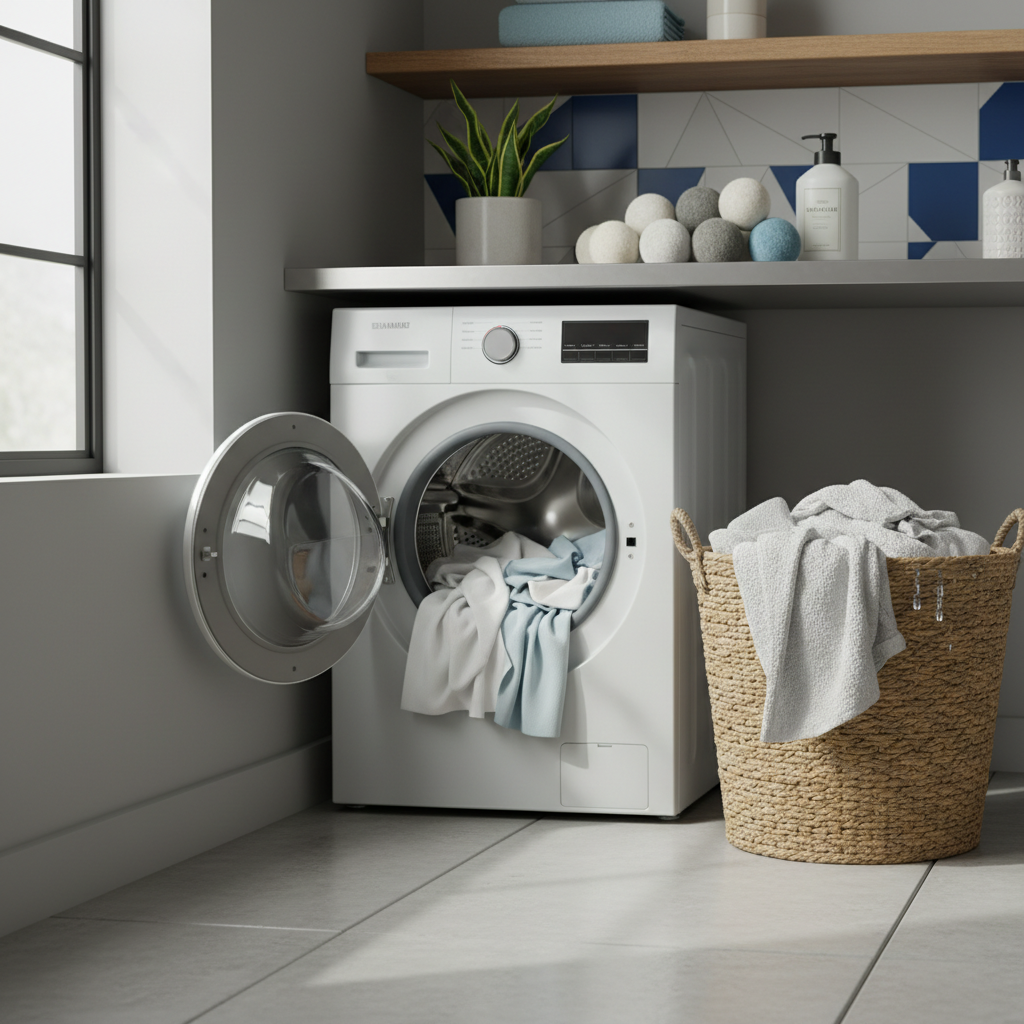
Instead of liquid fabric softeners, which often contain synthetic fragrances and quaternary ammonium compounds, consider eco-friendly alternatives. Wool dryer balls are a popular and effective choice. They soften clothes naturally, reduce drying time by tumbling and separating laundry, and can be scented with a few drops of essential oils instead of artificial perfumes. They are reusable for hundreds of loads, offering substantial savings and waste reduction.
All-Purpose Green Cleaners and Tools
Beyond specific cleaning agents, having versatile, basic ingredients and reusable tools as part of your sustainable cleaning essentials simplifies your routine and minimizes waste. These form the backbone of many DIY green cleaning solutions.
Vinegar and Baking Soda (DIY Basics)
Vinegar (white distilled) and baking soda (sodium bicarbonate) are the ultimate dynamic duo in natural cleaners guide.
- Vinegar: A mild acid, it’s excellent for cutting grease, dissolving mineral deposits (hard water stains), disinfecting surfaces, and shining glass. It can be diluted with water for an all-purpose spray.
- Baking soda: A gentle abrasive and deodorizer, it’s perfect for scrubbing, absorbing odors, and neutralizing acids. A paste can tackle tough grime in sinks or ovens.
Together, they can address many cleaning needs, often replacing several specialized commercial products.
Microfiber Cloths and Reusable Sponges
Investing in high-quality, reusable cleaning tools is as important as choosing green products.
- Microfiber cloths: These synthetic cloths are incredibly effective at trapping dust, dirt, and grime, often with just water. They can be washed and reused hundreds of times, reducing the need for disposable paper towels.
- Reusable sponges: Look for sponges made from natural cellulose, recycled materials, or loofah. These are more durable, often compostable at the end of their life, and reduce the continuous purchase of disposable synthetic sponges.
Essential Oils for Scent
While many green cleaners offer natural scents from citrus or botanicals, you can also infuse your DIY solutions with essential oils. Lemon, tea tree, lavender, and eucalyptus oils not only provide pleasant aromas but also possess natural antibacterial and antifungal properties. Add a few drops to your homemade sprays, rinse water, or directly to wool dryer balls for a refreshing, natural fragrance.
Key Insight: Embracing multi-purpose ingredients like vinegar and baking soda, combined with reusable tools, significantly reduces chemical exposure and waste, positioning them as cornerstones of an effective and affordable green cleaning regimen.
Where to Shop for Your Green Cleaning Products in Singapore
Locating sustainable cleaning essentials in Singapore has become increasingly easier, with a growing number of retailers catering to eco-conscious consumers. Knowing where to look can help you efficiently build your green cleaning products list.
Local Eco-Stores and Marketplaces
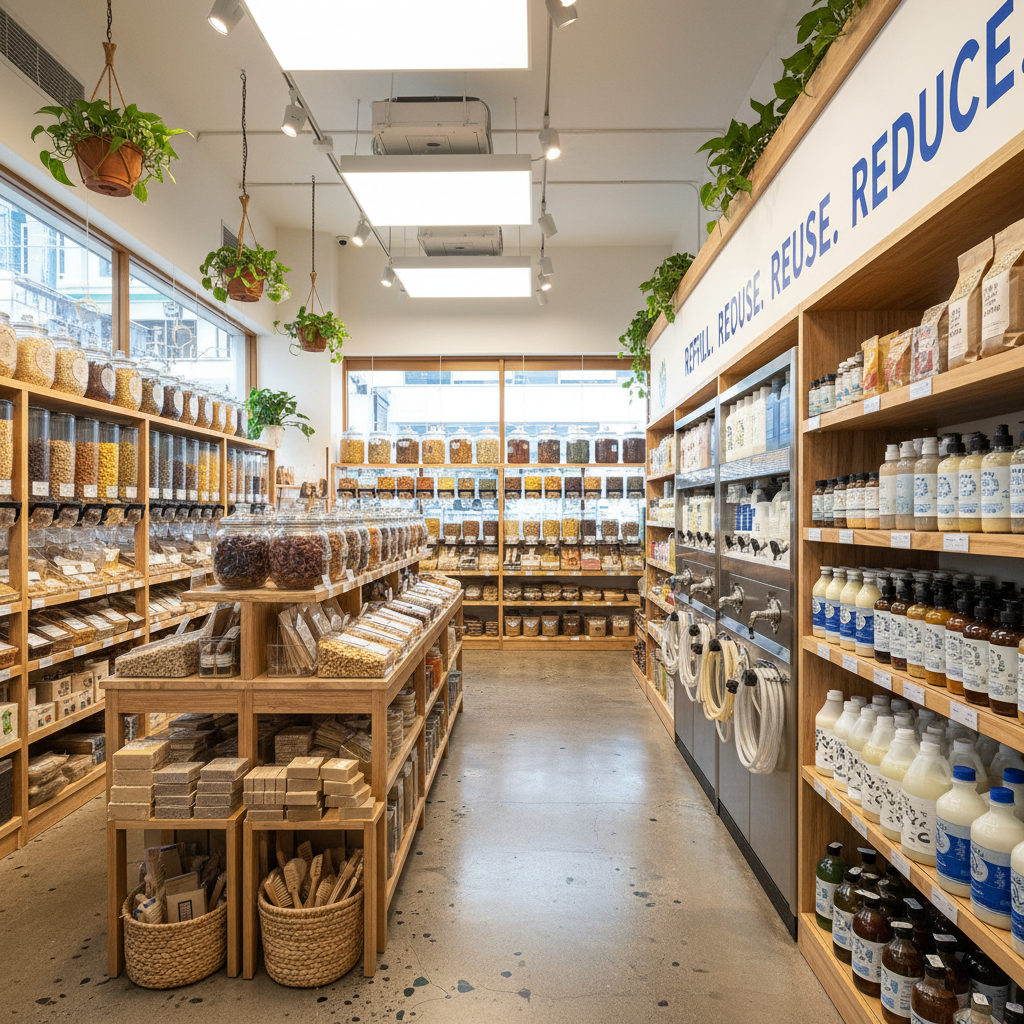
Singapore has seen a rise in dedicated eco-friendly stores and zero-waste shops. These establishments typically curate a selection of brands that align with strict environmental standards, offering products with biodegradable formulas, minimal packaging, and ethical sourcing. Examples might include stores that provide bulk refills for detergents and soaps, further reducing plastic waste. These stores also often stock DIY ingredients like bulk baking soda and essential oils, key components for a natural cleaners guide.
Reputable Online Retailers
For convenience and a broader selection, numerous online platforms in Singapore specialize in sustainable living. These retailers often carry international and local green cleaning brands, providing detailed product descriptions, ingredient lists, and customer reviews. Shopping online can also be a good way to compare prices and find specific non-toxic product recommendations that might not be available in physical stores. Many offer delivery services, making it easy to restock your eco-friendly cleaning checklist.
Cleatra’s Preferred Green Products
As a professional cleaning service committed to providing healthy environments, Cleatra Pte Ltd prioritizes the use of effective eco-friendly cleaning products. We carefully select reputable brands known for their plant-based, biodegradable, and non-toxic formulations. Our preferred products are chosen for their proven efficacy in delivering a deep clean without compromising indoor air quality or environmental health. We often opt for concentrated solutions to minimize waste and ensure maximum cleaning power for our clients’ homes and offices in Singapore.
Frequently Asked Questions
What makes a cleaning product “green”?
A cleaning product is considered “green” if it causes minimal or no negative impact on human health or the environment. This typically means it uses plant-derived ingredients, is biodegradable, comes in sustainable packaging, and is free from harsh chemicals like phosphates, chlorine bleach, and synthetic fragrances.
Are green cleaning products as effective as traditional ones?
Yes, modern green cleaning products are highly effective. Advances in formulation have allowed eco-friendly cleaners, particularly those from a well-researched green cleaning products list, to perform as well as, or even better than, conventional products without the associated health and environmental risks.
Can I make my own green cleaning products at home?
Absolutely. Many effective green cleaning solutions can be made at home using common household ingredients like vinegar, baking soda, lemon juice, and essential oils. These DIY solutions are often very cost-effective and allow for complete control over ingredients, making them core to any natural cleaners guide.
Are green cleaning products safe for pets and children?
Generally, yes. Green cleaning products are formulated to be non-toxic and free from harsh chemicals, making them a safer choice for households with children and pets compared to conventional cleaners. However, it’s always good practice to store all cleaning products out of reach, regardless of their eco-credentials.
How do I identify truly green products versus “greenwashed” ones?
Look for reputable third-party certifications (e.g., Green Seal, EcoCert, USDA Organic for ingredients) and transparent ingredient lists. Avoid products with vague terms like “non-toxic” without further explanation or those that lack clear environmental claims, which might indicate “greenwashing.” A solid eco-friendly cleaning checklist will help you discern genuine options.
Conclusion
Building and adhering to a green cleaning products list is a practical and impactful step towards creating a healthier, more sustainable home environment. From the kitchen to the laundry room, numerous effective eco-friendly cleaning checklist items are available that deliver sparkling results without harsh chemicals. By choosing non-toxic product recommendations and embracing natural cleaners guide staples like vinegar and baking soda, you can significantly reduce your household’s environmental footprint and improve indoor air quality. Making this shift is not just an investment in a cleaner home, but also in the well-being of your family and the planet.