
Eco-Friendly Cleaning Products for the Home: A Comprehensive Guide
Choosing eco-friendly cleaning products for the home is a proactive step towards creating a healthier living environment for your family and reducing your environmental impact. These products often replace harsh chemicals with naturally derived ingredients, offering effective cleaning solutions without compromising safety or sustainability. This comprehensive guide will explore the benefits, effective products, and DIY options for greener home cleaning.
Quick Answer:
- Eco-friendly products use natural or plant-derived ingredients, minimizing harmful chemicals.
- They protect family health by reducing exposure to toxins and improve indoor air quality.
- They support environmental sustainability by using biodegradable formulations and reducing pollution.
- Look for reputable eco-labels like EPA Safer Choice or Ecocert for verified claims.
- DIY solutions using ingredients like vinegar and baking soda offer cost-effective, non-toxic alternatives.
Table of Contents
- Why Choose Eco-Friendly Products for Your Household?
- Protecting Family Health from Harsh Chemicals
- Reducing Your Environmental Footprint
- Supporting Ethical and Sustainable Brands
- Understanding Eco-Labels and Certifications
- What Do They Mean?
- Key Certifications to Look For
- Must-Have Eco-Friendly Cleaning Products for Every Home
- All-Purpose Cleaners
- Bathroom and Toilet Cleaners
- Kitchen and Dish Soaps
- Laundry Detergents
- DIY Eco-Friendly Cleaning Solutions You Can Make at Home
- Vinegar-Based Cleaners
- Baking Soda Scrubs
- Lemon and Essential Oil Blends
- Tips for a Truly Green Home Cleaning Routine
- Prioritize Reusables
- Ventilate Well
- Educate Yourself on Ingredients
- Cleatra’s Commitment to Green Cleaning for Your Home
- Frequently Asked Questions
- Conclusion
Why Choose Eco-Friendly Products for Your Household?
Choosing natural cleaning supplies for your household provides significant benefits for both the well-being of your family and the health of the planet. Traditional cleaning products often contain harsh chemicals that can pose risks, while their eco-friendly counterparts offer effective cleaning derived from renewable resources.
Protecting Family Health from Harsh Chemicals
Using non-toxic home solutions safeguards your family’s health by minimizing exposure to volatile organic compounds (VOCs) and other irritants commonly found in conventional cleaners. Many traditional cleaning products contain ingredients like ammonia, chlorine bleach, and phthalates, which can trigger respiratory issues, skin irritation, and allergic reactions. For instance, a 2018 study published in the American Journal of Respiratory and Critical Care Medicine found that regularly using cleaning sprays can have a detrimental effect on lung function over time, comparable to smoking 20 cigarettes a day. Eco-friendly alternatives often utilize plant-based surfactants, essential oils, and mineral-derived abrasives, which are generally recognized as safer. This leads to improved indoor air quality and reduces the risk of long-term health complications, especially for children, pets, and individuals with chemical sensitivities.
Reducing Your Environmental Footprint
Opting for sustainable home products significantly reduces your environmental impact throughout the product lifecycle. Conventional cleaning products often release chemicals into waterways, contributing to water pollution and harming aquatic ecosystems. Their manufacturing processes can be energy-intensive and rely on non-renewable petrochemicals. In contrast, eco-friendly cleaners are typically formulated with biodegradable ingredients, meaning they break down naturally without persistent environmental harm. They often feature concentrated formulas to reduce packaging waste and lower transportation emissions. For example, a concentrated cleaner might use 75% less plastic packaging than a dilute alternative, according to an analysis by the Environmental Working Group (EWG). Embracing these products helps conserve natural resources and protects biodiversity.

Supporting Ethical and Sustainable Brands
By purchasing green household cleaners, consumers directly support companies committed to ethical labor practices, responsible sourcing, and transparent manufacturing. Many such brands go beyond just ingredient lists, focusing on sustainable packaging (e.g., recycled plastic, refills), fair trade practices, and cruelty-free product development. This alignment helps drive positive change in the industry, encouraging more companies to adopt environmentally and socially responsible business models. A 2023 report by NielsenIQ indicated that 66% of global consumers are willing to pay more for sustainable brands, highlighting a growing market for these products and the impact of consumer choices.
Key Insight: The switch to eco-friendly cleaning extends beyond personal health; it’s a vote for a more responsible, transparent, and sustainable economy that prioritizes planetary well-being.
Understanding Eco-Labels and Certifications
Navigating the world of sustainable home products can be challenging due to the prevalence of “greenwashing,” where products are marketed as environmentally friendly without genuine substantiation. Understanding eco-labels and certifications is crucial for making informed choices.
What Do They Mean?
Eco-labels are symbols or statements on product packaging that indicate a product meets specific environmental or social standards. These labels are typically awarded by third-party organizations that independently verify a product’s claims against a predefined set of criteria. The criteria can range from ingredient sourcing and manufacturing processes to biodegradability and packaging. A label’s presence signifies that a product has undergone assessment beyond self-declaration, offering consumers a level of assurance that their purchase aligns with sustainability values.
Key Certifications to Look For
Several reputable eco-labels can help consumers identify genuinely eco-friendly cleaning products.
- EPA Safer Choice: This label, from the U.S. Environmental Protection Agency, signifies that every ingredient in the product has been reviewed by EPA scientists and meets their stringent safety standards for human health and the environment. Products with this label are considered safer for your family, pets, and aquatic life.
- Ecocert: A worldwide organic certification body, Ecocert Greenlife certifies products that contain a minimum percentage of natural ingredients, restrict synthetic colors and fragrances, and use eco-friendly manufacturing processes and packaging.
- Green Seal: This independent, non-profit organization certifies products and services that meet rigorous standards for health, environmental sustainability, and product performance. Green Seal certified cleaners are effective and have a reduced impact on human health and the environment.
- USDA Certified Organic: While more common for food, this label also appears on some cleaning products, indicating that ingredients are organically farmed and processed. It focuses on agricultural practices free from synthetic pesticides and fertilizers.
- Leaping Bunny: This certification specifically indicates that a brand’s products are cruelty-free, meaning no animal testing was used in any stage of product development.
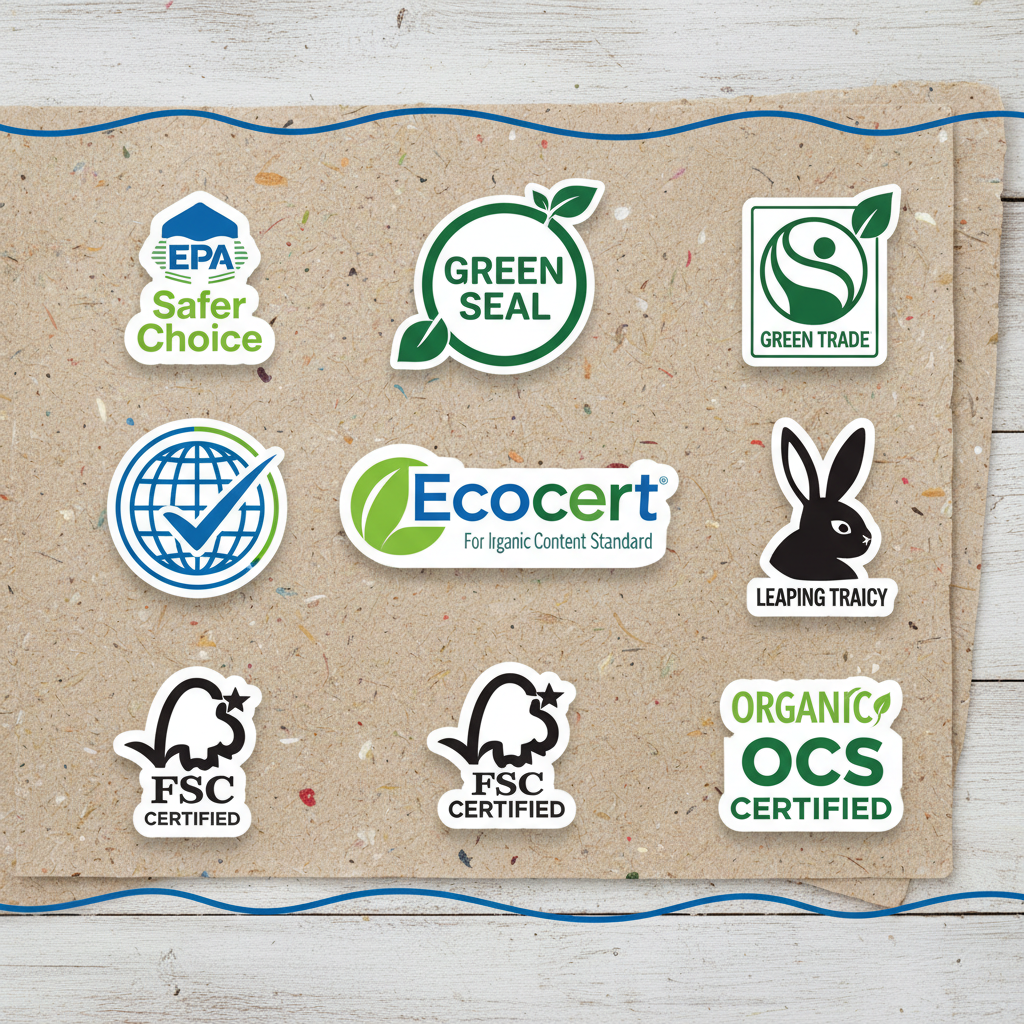
| Certification | Focus Areas | Key Benefits |
|---|---|---|
| EPA Safer Choice | Human health, environmental impact of ingredients | Verified ingredient safety for family and ecosystems |
| Ecocert | Natural origins, eco-friendly manufacturing | High percentage of natural ingredients, reduced synthetic chemicals |
| Green Seal | Comprehensive environmental & health criteria | Proven performance, lower lifecycle impact on health and environment |
| Leaping Bunny | Animal welfare | Guarantees products are cruelty-free |
Must-Have Eco-Friendly Cleaning Products for Every Home
Equipping your home with the right eco-friendly cleaning products for the home ensures effective cleaning while maintaining a safe and healthy environment. These staples cover most household cleaning needs.
All-Purpose Cleaners
An all-purpose cleaner is a versatile product suitable for various surfaces like countertops, floors, walls, and glass. Eco-friendly versions often rely on plant-derived surfactants (e.g., from coconut or corn), essential oils for fragrance and mild disinfectant properties, and natural pH balancers. Look for products that state “biodegradable” and are free from ammonia, chlorine, and synthetic fragrances. Many come in concentrated refill options, reducing plastic waste. For example, some brands offer concentrate pods that dissolve in water, allowing users to reuse their spray bottles indefinitely.
Bathroom and Toilet Cleaners
Bathroom cleaning often requires tackling tough grime, soap scum, and mineral deposits. Green household cleaners for bathrooms typically use natural acids like citric acid (derived from citrus fruits), lactic acid, or vinegar, along with plant-based surfactants to break down dirt without harsh fumes. Bicarbonate of soda (baking soda) is also common for its gentle abrasive qualities. For toilets, enzyme-based cleaners can effectively break down organic matter. These alternatives prevent the release of strong chemicals into wastewater systems.
Kitchen and Dish Soaps
In the kitchen, effectiveness against grease and food residue is paramount. Natural cleaning supplies for dishes, whether liquid soap or dishwasher pods, often feature potent plant-derived degreasers and surfactants. Look for formulas free from phosphates, dyes, and strong perfumes, which can irritate skin and harm aquatic life. Many eco-friendly dish soaps are highly concentrated, meaning a small amount goes a long way, reducing overall product consumption and packaging waste. For example, a single concentrated dish soap bottle might last as long as three conventional bottles.
Laundry Detergents
Eco-friendly laundry detergents are designed to clean clothes effectively while being gentle on fabrics, skin, and the environment. They typically use plant-based enzymes to break down stains and dirt, often eschewing optical brighteners, synthetic fragrances, and phosphates. Options include liquid detergents, powder, and increasingly popular laundry strips or pods that are pre-measured and dissolve completely, minimizing waste. Many brands offer “free and clear” versions, explicitly formulated without dyes or perfumes, ideal for sensitive skin.
Key Insight: When selecting eco-friendly products, check for ingredients like sodium coco-sulfate (coconut-derived surfactant) or citric acid, and avoid parabens, phthalates, and formaldehyde-releasing preservatives for a truly cleaner choice.
DIY Eco-Friendly Cleaning Solutions You Can Make at Home
Creating your own DIY eco-friendly cleaning solutions is a cost-effective and highly customizable way to ensure your home is clean without harsh chemicals. These simple recipes often use common pantry staples.
Vinegar-Based Cleaners
White vinegar is a powerhouse ingredient for natural cleaning due to its acetic acid content, which effectively cuts grease, dissolves mineral deposits, and acts as a mild disinfectant.
- All-Purpose Spray: Mix equal parts white vinegar and water in a spray bottle. Add 10-15 drops of essential oil (e.g., lemon, tea tree, lavender) to mask the vinegar smell and add mild antimicrobial properties. Use on countertops, glass, and non-porous surfaces. Avoid using on natural stone (like marble or granite) as the acid can etch the surface.
- Window Cleaner: For streak-free windows, mix 1 part white vinegar, 1 part water, and a few drops of dish soap.
- Tile and Grout Cleaner: Spray full-strength vinegar on grout, let it sit for 10-15 minutes, then scrub with a brush and rinse.
Baking Soda Scrubs
Baking soda (sodium bicarbonate) is a gentle abrasive and odor absorber, making it excellent for scrubbing and deodorizing.
- Soft Scrubber: Mix baking soda with just enough water to form a paste. Apply to sinks, bathtubs, and stubborn messes. Let it sit for a few minutes, then scrub with a damp cloth or sponge and rinse thoroughly. This is particularly effective for removing soap scum and hard water stains.
- Oven Cleaner: Sprinkle baking soda generously over the bottom of your oven. Spray with water until it’s damp. Let it sit overnight, then scrape away the softened grime and wipe clean.
- Drain Deodorizer: Pour half a cup of baking soda down a drain, followed by half a cup of vinegar. Let it fizz for 15-30 minutes, then flush with hot water. This helps to clear minor clogs and eliminate odors.
Lemon and Essential Oil Blends
Lemons provide natural cleaning power through their citric acid, while essential oils offer pleasant, natural scents and some have antimicrobial properties.
- Surface Polish: Mix freshly squeezed lemon juice with a small amount of olive oil (and potentially a few drops of lemon essential oil) for a natural wood polish. Test on an inconspicuous area first.
- Air Freshener: Use an essential oil diffuser with pure essential oils like lemon, lavender, or peppermint. Alternatively, boil citrus peels and cinnamon sticks in water for a natural stovetop potpourri.
- Grease Cutter: The acidity in lemon juice effectively cuts through grease. Use it directly on greasy surfaces, or add it to your dishwater for an extra boost.
Tips for a Truly Green Home Cleaning Routine
Adopting a truly green home cleaning routine goes beyond just the products you use; it involves conscious choices about tools, techniques, and habits.
Prioritize Reusables
Reduce waste by investing in durable, reusable cleaning tools. Replace disposable paper towels with microfiber cloths or old cotton t-shirts cut into rags. Microfiber is highly absorbent and effective at picking up dust and grime without additional chemicals. Use reusable mop heads that can be machine-washed instead of disposable pads. For scrubbing, choose brushes with natural bristles and wooden handles over plastic ones. Many companies offer refillable spray bottles and concentrated cleaning solutions, allowing you to buy less plastic packaging over time.
Ventilate Well
Proper ventilation is crucial for maintaining good indoor air quality, even when using eco-friendly products. While natural cleaners are less prone to emitting harmful VOCs, fresh air helps disperse any residual particles, humidity, and odors. Open windows and doors during and after cleaning sessions, especially in bathrooms and kitchens where moisture can accumulate. Using exhaust fans in these areas is also effective. Good airflow reduces the buildup of dust, allergens, and airborne pollutants, creating a fresher and healthier indoor environment.
Educate Yourself on Ingredients
Becoming an informed consumer is a powerful step towards a greener home. Take the time to read product labels and understand common ingredients, even on products marketed as “natural.” While terms like “plant-derived” are good indicators, some natural ingredients can still cause sensitivities for certain individuals. Resources like the Environmental Working Group’s (EWG) Guide to Healthy Cleaning database provide detailed information and safety ratings for various cleaning products and their ingredients. Understanding what’s in your cleaners empowers you to make genuinely healthy and effective choices.
Cleatra’s Commitment to Green Cleaning for Your Home
Cleatra Pte Ltd is deeply committed to providing sustainable home products and services that prioritize the health of your home and the planet. Our approach to cleaning in Singapore integrates professionalism, efficiency, and ecological responsibility. We meticulously select and utilize cleaning solutions that are not only effective in tackling dirt, grime, and allergens but are also formulated with naturally derived, biodegradable, and non-toxic ingredients.
We understand the concerns about harsh chemicals and their impact on indoor air quality, especially in homes with children, pets, or individuals with sensitivities. That’s why our professional cleaners are trained to apply green household cleaners that minimize environmental impact while delivering a pristine clean. For instance, when deep cleaning your home, we focus on methods and products that prevent chemical runoff and reduce energy consumption. Our upholstery cleaning services employ gentle, eco-friendly formulas that are tough on stains but safe for fabrics and indoor air. By choosing Cleatra, you’re not just getting a clean home; you’re investing in a healthier, more sustainable living space, demonstrating our dedication to reliable and affordable service without compromising ecological principles.
Frequently Asked Questions
What are eco-friendly cleaning products?
Eco-friendly cleaning products are cleaning agents formulated with naturally derived, biodegradable, and non-toxic ingredients, designed to effectively clean without harming human health or the environment. They typically avoid harsh chemicals like phosphates, chlorine bleach, and synthetic fragrances.
Why should I switch to eco-friendly cleaners?
Switching protects your family from exposure to harsh chemicals, improves indoor air quality, reduces your contribution to water and air pollution, and supports ethical businesses committed to sustainability. They offer effective cleaning with peace of mind.
Are eco-friendly cleaning products as effective as traditional ones?
Yes, modern eco-friendly cleaning products are highly effective. Advancements in green chemistry have led to formulations that perform as well as, or even outperform, conventional cleaners, especially for common household tasks like degreasing, sanitizing, and stain removal.
How can I identify truly eco-friendly products?
Look for reputable third-party certifications and eco-labels such as EPA Safer Choice, Green Seal, or Ecocert, which independently verify product claims. Also, read ingredient lists to ensure they are free from known harmful chemicals like phthalates, parabens, and strong VOCs.
Can I make my own eco-friendly cleaning solutions?
Absolutely. Many effective and affordable cleaning solutions can be made at home using simple ingredients like white vinegar, baking soda, lemon juice, and essential oils. These DIY options are highly customizable and minimize packaging waste.
Are eco-friendly cleaning products more expensive?
While some eco-friendly products might have a slightly higher upfront cost, many are concentrated, meaning a little goes a long way, or they offer refill options that reduce long-term expenses. DIY solutions are often significantly cheaper than store-bought cleaners.
What are VOCs, and why are they a concern in cleaning products?
Volatile Organic Compounds (VOCs) are gases emitted from certain solids or liquids, including many conventional cleaning products. They can cause short-term health effects like headaches and respiratory irritation, and long-term exposure can lead to more serious health issues. Eco-friendly products typically have significantly lower VOC emissions.
Conclusion
Embracing eco-friendly cleaning products for the home represents a significant step towards nurturing both your family’s health and the planet’s well-being. By choosing products free from harsh chemicals, supporting sustainable brands, and exploring DIY solutions, you contribute to a cleaner environment, both indoors and out. This shift is not just a trend but a conscious decision for a healthier, more responsible way of living. A truly healthy home begins with the mindful choices you make in your cleaning cupboard.