
How to Choose Eco-Friendly Cleaning Products for a Healthier Home
Choosing eco-friendly cleaning products is a proactive step towards creating a healthier living environment and reducing your ecological footprint. These products are formulated with natural, biodegradable ingredients that minimize harm to both household occupants and the planet. By opting for green alternatives, you can effectively clean your home without introducing harsh chemicals into your indoor air or waterways, contributing to a safer and more sustainable lifestyle.
Quick Answer:
- Eco-friendly cleaning products use natural, biodegradable ingredients to protect health and the environment.
- They reduce exposure to harsh chemicals, improving indoor air quality and minimizing ecological impact.
- Look for transparent labels, recognized certifications, and avoid harmful ingredients like phthalates and parabens.
- Common eco-friendly ingredients include vinegar, baking soda, citric acid, and essential oils.
- Considering DIY solutions, reading reviews, and understanding specific cleaning needs helps make informed choices.
Table of Contents
- Why Go Eco-Friendly? Benefits for Health and Environment
- Healthier Indoor Air Quality
- Reduced Chemical Exposure
- Environmental Impact
- Understanding Labels: What to Look For
- Certifications and Seals
- Keywords to Spot (and Avoid)
- Common Eco-Friendly Ingredients and Their Uses
- Natural Acids (Vinegar, Citric Acid)
- Baking Soda and Peroxide
- Essential Oils
- Ingredients to Avoid in Conventional Cleaners
- Tips for Choosing the Best Eco-Friendly Products
- Read Reviews and Research Brands
- Consider Your Cleaning Needs
- DIY Eco-Friendly Solutions
- Cleatra’s Commitment to Green Cleaning
- Frequently Asked Questions
- Conclusion
Why Go Eco-Friendly? Benefits for Health and Environment
Opting for eco-friendly cleaning products provides significant benefits for both personal health and the wider environment, moving beyond just surface-level cleanliness. These benefits stem from the conscious choice of ingredients and manufacturing processes.
Healthier Indoor Air Quality
Using eco-friendly cleaning products significantly contributes to a healthier indoor air quality by eliminating the release of volatile organic compounds (VOCs) and other irritants. Conventional cleaners often emit VOCs like formaldehyde, limonene, and ethanol, which can cause respiratory issues, headaches, and allergic reactions, particularly in sensitive individuals or those with asthma. According to the U.S. Environmental Protection Agency (EPA), indoor air can be 2 to 5 times more polluted than outdoor air, largely due to household cleaning products. By choosing green alternatives, you reduce your exposure to these airborne toxins, promoting a fresher and safer atmosphere inside your home.
Reduced Chemical Exposure
Reduced chemical exposure is a direct result of choosing eco-friendly cleaners, safeguarding the health of both humans and pets. Traditional cleaning agents frequently contain harsh chemicals such as chlorine bleach, ammonia, and phthalates, which can be absorbed through the skin, inhaled, or accidentally ingested. Long-term exposure to these substances has been linked to skin irritation, chemical burns, endocrine disruption, and even certain cancers. A 2018 study published in the American Journal of Respiratory and Critical Care Medicine found that using cleaning sprays just once a week for 20 years had an effect on lung health comparable to smoking 20 cigarettes a day. Eco-friendly products, conversely, utilize plant-derived ingredients and natural minerals that are far less toxic and often non-irritating, minimizing these health risks.
Environmental Impact
The environmental impact of eco-friendly cleaning products is substantially lower than their conventional counterparts, protecting ecosystems and natural resources. Many traditional cleaning products contain phosphates, nitrates, and other synthetic chemicals that, once washed down drains, can contribute to water pollution. These chemicals can cause eutrophication in water bodies, leading to algal blooms that deplete oxygen and harm aquatic life. Furthermore, fossil-fuel-derived ingredients and non-biodegradable packaging contribute to carbon emissions and landfill waste. Eco-friendly cleaners are typically made with biodegradable ingredients that break down safely, use renewable plant-based resources, and often come in concentrated forms or recyclable packaging, reducing their overall ecological footprint.

Understanding Labels: What to Look For
Navigating the labels of cleaning products can be complex, but understanding key indicators helps in distinguishing truly eco-friendly options from “greenwashed” marketing. Transparency and certified standards are crucial.
Certifications and Seals
Certifications and seals provide independent verification that a product meets specific environmental and health standards, making them reliable indicators of genuine eco-friendliness. These endorsements signify that a third-party organization has evaluated the product’s ingredients, manufacturing processes, and overall impact. For example, prominent labels like the EPA Safer Choice label in the United States mean a product contains ingredients that are safer for human health and the environment. In Singapore, relevant local or regional certifications might be emerging, while international standards such as ECOCERT or Nordic Swan Ecolabel also guarantee stringent eco-credentials, indicating low toxicity, biodegradability, and sustainable packaging. Always look for these visible marks on packaging to ensure credibility and avoid misleading claims.
Keywords to Spot (and Avoid)
When examining product labels, certain keywords to spot indicate an eco-friendly formulation, while others are often marketing ploys or signal potentially harmful ingredients to avoid. Look for terms such as “biodegradable,” “plant-based,” “non-toxic,” “phosphate-free,” “chlorine-free,” “ammonia-free,” “phthalate-free,” and “VOC-free.” These terms suggest a commitment to safer ingredients. Conversely, be wary of vague claims like “natural” or “green” without supporting certifications or ingredient lists, as these can be forms of greenwashing. Words to actively avoid include “fragrance” (unless specified as natural or essential oils, as synthetic fragrances can contain phthalates), “petroleum-derived,” “caustic,” and any ingredient names you do not recognize and cannot easily research as benign.
Key Insight: Many brands use terms like “natural” or “plant-derived” without disclosing the full ingredient list or the process. A truly transparent eco-friendly brand will detail its ingredients and often provide third-party certifications, indicating genuine commitment beyond marketing.
Common Eco-Friendly Ingredients and Their Uses
Eco-friendly cleaning relies on a host of simple, effective, and natural ingredients that have been used for generations, offering powerful cleaning without harsh chemicals. These common compounds are readily available and versatile.
Natural Acids (Vinegar, Citric Acid)
Natural acids like vinegar (acetic acid) and citric acid are highly effective eco-friendly cleaning agents, renowned for their descaling, deodorizing, and mild disinfecting properties. White vinegar, with its approximately 5% acetic acid content, is excellent for dissolving mineral deposits (like hard water stains and soap scum), shining glass, and eliminating odors on surfaces. Citric acid, typically found in powdered form derived from citrus fruits, is particularly potent for tackling tough rust stains, limescale, and as a natural brightening agent for laundry. Both act by breaking down alkaline substances and disrupting bacterial environments, offering powerful cleaning without the toxic fumes or corrosive nature of stronger synthetic acids.
Baking Soda and Peroxide
Baking soda (sodium bicarbonate) and peroxide (hydrogen peroxide) are staple eco-friendly cleaning ingredients that offer a wide array of uses, from scrubbing to sanitizing. Baking soda is a gentle abrasive that can effectively scour surfaces without scratching, absorb odors, and neutralize acids. It’s excellent for cleaning sinks, tubs, and stovetops, as well as for freshening carpets or refrigerators. Hydrogen peroxide, commonly found in 3% solution, is a powerful oxidizing agent that acts as a natural disinfectant and whitener, breaking down into water and oxygen, making it environmentally benign. It effectively kills bacteria, viruses, and mold, making it ideal for sanitizing cutting boards, toilets, and even whitening laundry without chlorine bleach.
Essential Oils
Essential oils are concentrated plant extracts that add natural fragrance and often possess antimicrobial and antiseptic properties to eco-friendly cleaning solutions. While not primary cleaning agents themselves, oils like tea tree, lemon, lavender, eucalyptus, and peppermint can enhance the cleaning power and leave a refreshing scent. Tea tree oil, for example, is recognized for its strong antibacterial and antifungal qualities, making it a good addition to general-purpose cleaners, mold treatments, or bathroom scrubs. Lemon essential oil is known for its degreasing properties and fresh aroma. When using essential oils, a few drops are usually sufficient, and they should be diluted in water or another carrier like vinegar or baking soda, as they are potent.

Ingredients to Avoid in Conventional Cleaners
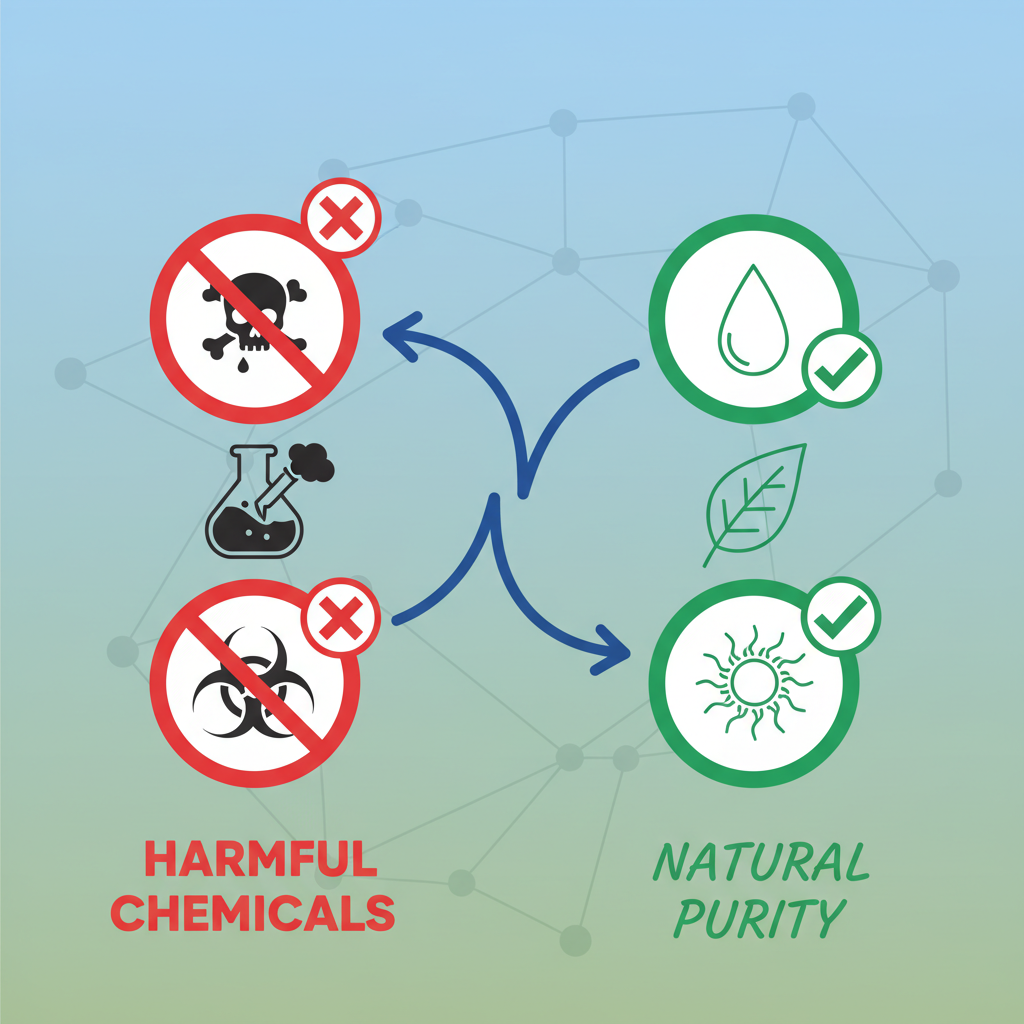
To truly choose eco-friendly products, it’s as important to know what to avoid as it is to know what to look for, as many conventional cleaners contain substances harmful to health and the environment. These ingredients are often present in common household products.
Many conventional cleaners contain phthalates, which are often hidden under the vague term “fragrance” or “perfume.” Phthalates are plasticizing chemicals linked to endocrine disruption, developmental and reproductive toxicity, and asthma. Another major ingredient to avoid is ammonia, commonly found in glass cleaners and floor waxes, which can irritate the respiratory system, eyes, and skin, and produce toxic gases if mixed with bleach. Chlorine bleach (sodium hypochlorite) is a powerful disinfectant, but its fumes are highly corrosive and can cause respiratory problems, skin burns, and contributes to the formation of harmful organochlorines when released into waterways. Furthermore, many detergents contain phosphates, which, while effective at breaking down dirt, are a significant contributor to water pollution and eutrophication in aquatic ecosystems. Triclosan, an antibacterial agent once common in dish soap and hand sanitizers, is now largely banned due to concerns about antibiotic resistance and its impact on aquatic life. Finally, parabens, often used as preservatives in some cleaning products, are also endocrine disruptors.
| Ingredient Category | Common Cleaners Found In | Health Concerns | Environmental Concerns | Eco-Friendly Alternative |
|---|---|---|---|---|
| Phthalates | Air fresheners, “fragrance” in many products | Endocrine disruptor, respiratory issues | Aquatic toxicity | Essential oils, natural ventilation |
| Ammonia | Glass cleaners, floor polishes | Respiratory irritant, skin/eye burns | Water pollution | Vinegar, rubbing alcohol |
| Chlorine Bleach | Disinfectants, toilet bowl cleaners | Respiratory issues, skin/eye irritation, toxic fumes when mixed | Forms harmful organochlorines, aquatic toxicity | Hydrogen peroxide, baking soda, citric acid |
| Phosphates | Dishwasher detergents, all-purpose cleaners | Skin/eye irritation | Water pollution (eutrophication) | Plant-based surfactants, borax |
| Triclosan | Antibacterial soaps (less common now) | Antibiotic resistance, endocrine disruptor | Aquatic toxicity, harm to marine life | Vinegar, hydrogen peroxide, tea tree oil |
| Parabens | Preservatives in some cleaners | Endocrine disruptor | Potential aquatic toxicity | Grapefruit seed extract, natural preservatives |
Tips for Choosing the Best Eco-Friendly Products
Choosing the best eco-friendly cleaning products involves more than just glancing at a “green” label; it requires informed decision-making based on research, personal needs, and sometimes, a DIY approach.
Read Reviews and Research Brands
Reading reviews and researching brands provides valuable insights into the actual performance and ethical practices behind eco-friendly cleaning products. Customer reviews often highlight real-world effectiveness, scent profiles, and any potential issues that may not be apparent from the label. Websites like the Environmental Working Group (EWG) database can offer detailed ingredient breakdowns and hazard ratings for thousands of products, enabling a deeper understanding of what you’re buying. Furthermore, investigate a brand’s commitment to sustainability beyond just its product formulas, looking into their supply chain, packaging materials, and corporate social responsibility efforts. A company that is truly eco-conscious will often have transparent information available on its website regarding these practices.
Consider Your Cleaning Needs
Considering your specific cleaning needs is crucial for selecting eco-friendly products that are both effective and efficient for your home. Different surfaces and types of dirt require different cleaning agents. For instance, if you have persistent hard water stains, a product with a higher concentration of natural acids will be more effective than a general-purpose cleaner. For disinfecting high-touch surfaces, look for products that specifically mention germ-killing properties through ingredients like hydrogen peroxide or strong essential oils. If you have pets or young children, prioritize products that are explicitly labeled as pet-safe or baby-safe and completely free of strong fumes. Tailoring your product selection to your household’s unique challenges ensures optimal results and avoids unnecessary purchases.
DIY Eco-Friendly Solutions
Embracing DIY eco-friendly solutions is an excellent way to ensure complete control over ingredients, save money, and further reduce waste by reusing containers. Many effective cleaning recipes can be made with simple, inexpensive household staples. For an all-purpose cleaner, combine equal parts white vinegar and water with a few drops of your favorite essential oil (like lemon or tea tree). For a powerful scour, mix baking soda with a little water to form a paste. Glass cleaners can be made with just vinegar and water. These homemade solutions avoid synthetic fragrances, dyes, and harsh chemicals, giving you peace of mind about what you’re bringing into your home. Moreover, buying ingredients in bulk and refilling your own spray bottles drastically cuts down on plastic waste.
Cleatra’s Commitment to Green Cleaning
Cleatra Pte Ltd is deeply committed to green cleaning, reflecting our belief that a clean home shouldn’t come at the expense of your health or the environment. We carefully select and utilize a range of eco-friendly and non-toxic cleaning products for all our services, from general upkeep to deep cleaning transformations. Our trained professionals use these sustainable solutions to effectively remove dirt, grime, and germs, ensuring a pristine finish without introducing harsh chemicals, fumes, or residues into your living or working spaces. This commitment not only protects your family and pets from potential irritants but also minimizes our impact on Singapore’s delicate ecosystem. By choosing Cleatra, you’re opting for a service that prioritizes both impeccable cleanliness and responsible environmental stewardship.

Frequently Asked Questions
What makes a cleaning product truly “eco-friendly”?
A cleaning product is truly “eco-friendly” if it uses biodegradable, plant-derived ingredients, avoids harsh chemicals (like phosphates, chlorine, and ammonia), is typically packaged in recyclable or recycled materials, and is manufactured using sustainable practices. Look for third-party certifications as a reliable indicator.
Are eco-friendly cleaning products as effective as conventional ones?
Yes, eco-friendly cleaning products are often just as effective as conventional ones, especially for everyday cleaning and mild sanitizing. Advances in green chemistry have enabled the development of powerful formulas using natural ingredients that can tackle grease, grime, and bacteria efficiently without toxic side effects.
Can I use eco-friendly cleaners on all surfaces?
Most eco-friendly cleaners are gentle enough for a wide range of surfaces, but it’s always best to check the product label or test on an inconspicuous area first. For example, while vinegar is great for many surfaces, it should not be used on natural stone (like marble or granite) or unsealed grout, as its acidity can etch the surface.
How do eco-friendly cleaners impact indoor air quality?
Eco-friendly cleaners significantly improve indoor air quality because they do not emit volatile organic compounds (VOCs) or harsh fumes commonly found in conventional products. This reduces the risk of respiratory irritation, headaches, and allergic reactions, creating a healthier breathing environment.
Where can I find eco-friendly cleaning products in Singapore?
Eco-friendly cleaning products are becoming increasingly available in Singapore. You can find them at major supermarkets, organic food stores, dedicated eco-friendly retail shops, and numerous online retailers specializing in sustainable household goods. Look for local brands or those with international eco-certifications.
Are DIY eco-friendly cleaning solutions really safe and effective?
DIY eco-friendly cleaning solutions made from common ingredients like vinegar, baking soda, and essential oils are generally safe and highly effective for many cleaning tasks. They remove dirt, deodorize, and offer mild sanitization without the added chemicals of commercial products, provided they are used correctly and for appropriate surfaces.
Conclusion
Making the switch to eco-friendly cleaning products is a straightforward yet impactful way to enhance your home’s health and contribute to environmental sustainability. By understanding label certifications, recognizing both beneficial and harmful ingredients, and leveraging the power of natural compounds like vinegar and baking soda, you can confidently choose products that protect your family, pets, and the planet. Whether you buy certified green products or embrace DIY solutions, each conscious choice helps reduce chemical exposure and foster a healthier indoor environment. Start today to transform your cleaning routine into a truly green endeavor, ensuring a spotless home with a clear conscience.